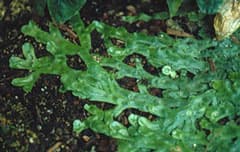
Great Scented Liverwort Prone to Lack of Light: How to Protect
Conocephalum
Lack of Light on Great Scented Liverwort: What to Know?
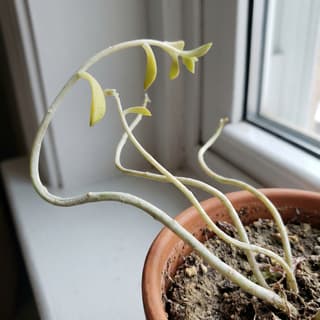
Lack of Light on Great Scented Liverwort (Conocephalum) is a environmental condition with moderate severity. Great Scented Liverwort has high susceptibility to this disease. Lack of light, also known as etiolation, is an environmental condition that occurs when a plant does not receive adequate light for normal photosynthesis and growth. Without sufficient light, the plan...
Great Scented Liverwort is a easy-care plant. Recovery from Lack of Light takes approximately 21 days with proper treatment. As an indoor plant, ensure good ventilation to aid recovery.
Great Scented Liverwort is highly susceptible to Lack of Light, unlike most plants in the same family. Without early intervention, recovery takes 32 days instead of 21 days.
🔍 What Does Lack of Light Look Like on Great Scented Liverwort?
- • Leggy or etiolated growth with abnormally long, spindly stems
- • Pale, yellowish, or whitish leaves due to chlorophyll deficiency (chlorosis)
- • Wide internodal spacing between leaves
- • Small, underdeveloped new leaves
- • Lower leaves yellowing and dropping prematurely
- • Plant leaning or bending toward the nearest light source
- • Reduced or absent flowering
- • Thin, weak stems unable to support the plant's weight
❓ What Causes Lack of Light on Great Scented Liverwort?
- → Placement in dark corners or rooms with insufficient natural light
- → North-facing windows providing too little sunlight
- → Seasonal reduction in daylight hours during autumn and winter
- → Obstruction by curtains, furniture, buildings, or other plants
- → Overcast climates limiting light intensity for extended periods
- → Unchecked auxin hormone activity driving stem elongation when light is absent
💊 How to Treat Lack of Light on Great Scented Liverwort?
TLDR: Treat Lack of Light on Great Scented Liverwort with quick treatment (~21 days) or organic (~21 days). Great Scented Liverwort has high susceptibility to this disease.
Quick Fixes
Move plant now
Immediately relocate the plant to the brightest spot available in your home — a sunny windowsill or directly under a grow light.
Add grow light if needed
If natural light is insufficient, position a full-spectrum grow light 15–30 cm above the plant and turn it on for at least 14 hours.
Organic Treatment
Relocate gradually
Move the plant to the brightest available spot indoors, prioritizing east- or south-facing windows. Do this over 7–10 days to avoid shock.
Add grow light
Supplement with a full-spectrum LED grow light — run it 12–16 hours per day positioned 15–30 cm above the canopy.
Clean leaves
Wipe leaves clean of dust with a damp cloth to maximize photosynthetic efficiency.
Prune etiolated growth
Cut back severely stretched stems to a healthy node to encourage compact new growth.
Apply organic fertilizer
After 2 weeks of improved light, apply diluted seaweed or kelp fertilizer to support chlorophyll rebuilding and vigor.
🛡️ How to Prevent Lack of Light on Great Scented Liverwort?
TLDR: Prevent Lack of Light on Great Scented Liverwort with 7 essential preventive care practices.
- ✓ Choose plant species that match your available light levels
- ✓ Place plants near south- or east-facing windows for maximum natural light
- ✓ Rotate pots a quarter-turn weekly so all sides receive even light exposure
- ✓ Supplement with full-spectrum LED grow lights for 12–16 hours per day in low-light homes
- ✓ Keep windows clean to maximize light transmission
- ✓ Prune neighboring plants or move obstructions that cast shade
- ✓ Monitor plant posture regularly — leaning toward a window is an early warning sign
🌱 How to Care for Great Scented Liverwort to Prevent Lack of Light?
💧 How to Water
Mist or soak the substrate with dechlorinated water every 2–3 days. Distilled or rain water is preferred.
☀️ Lighting
Prefers low to moderate indirect light. Avoid direct sun which desiccates the thallus. Full-spectrum LED lighting works well in enclosed terrariums.
🪴 Ideal Soil
Peaty, well-draining substrate rich in organic matter. Slightly acidic to neutral pH (5.0–7.0). A mix of peat moss and perlite works well.