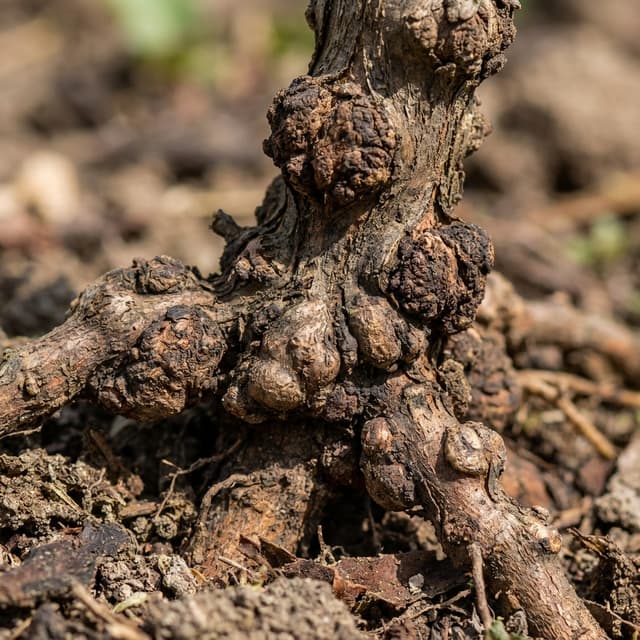
Crown Gall: Bacterial Infection | How to Treat
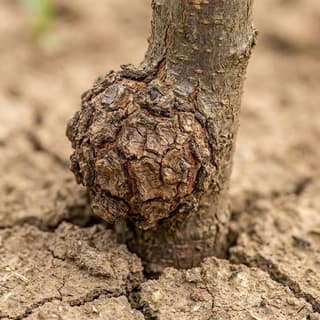
Crown gall is a bacterial disease caused by Agrobacterium tumefaciens that affects over 140 species of plants. The bacteria insert DNA into plant cells, causing them to divide uncontrollably and form large tumor-like growths (galls) primarily on roots, stems, and at the soil line. These galls restrict water and nutrient flow, severely impacting plant health and potentially killing the plant.
28 days
What is Crown Gall?
Crown Gall is a bacterial condition with moderate severity that affects plants. Crown gall is a bacterial disease caused by Agrobacterium tumefaciens that affects over 140 species of plants. The bacteria insert DNA into plant cells, causing them to divide uncontrollably and form large tumor-like growths (galls) primarily on roots, stems, and at the soil line. These galls restri...
Crown Gall is a bacterial disease with moderate severity. Recovery typically takes approximately 28 days with proper treatment. This condition is contagious and can spread between plants.
Crown Gall has no effective chemical cure, unlike pests. Without removing affected parts, the infection spreads internally through the plant. Without isolation, nearby plants can become infected within days.
🔍 What Are the Symptoms of Crown Gall?
TLDR: Crown Gall presents 6 main symptoms. Early identification is crucial for effective treatment.
Main Symptoms
- ! Large, rough, woody tumor-like growths (galls) at the base of stems
- ! White masses of callus tissue on roots and crown
- ! Galls appearing at or just below soil line
- ! Swellings on stems, limbs, trunks, or roots where wounds occur
- ! Stunted growth due to restricted water and nutrient flow
- ! Decline in overall plant vigor and health
❓ What Causes Crown Gall in Plants?
- → Infection by Agrobacterium tumefaciens bacteria through wounds
- → Physical damage during planting, grafting, or cultivation
- → Soil insect feeding creating entry wounds
- → Root damage from excavation or mechanical injury
- → Use of contaminated tools or infected nursery stock
- → Bacteria surviving in soil from previous infected plants
🧪 Natural vs Chemical: Which Treatment Works for Crown Gall?
🌱 Natural Solutions
- ✓ Apply Agrobacterium radiobacter K-84 biological control to bare roots before planting
- ✓ Drench potted plants with K-84 solution to protect against infection
- ✓ Remove small galls early by cutting with sterilized tools
- ✓ Improve soil drainage with organic matter amendments
- ✓ Apply beneficial microorganisms to outcompete pathogenic bacteria
💉 Chemical Solutions
- ✓ No effective chemical treatments available for crown gall
- ✓ Chemical prevention methods are ineffective once infection occurs
- ✓ Copper-based bactericides show minimal efficacy
- ✓ Focus on prevention rather than chemical treatment
🛡️ How to Prevent Crown Gall?
TLDR: Prevent Crown Gall with 8 essential care practices. Regular monitoring is key for early detection.
- ✓ Inspect all nursery stock carefully and reject plants with any galls
- ✓ Sterilize all pruning tools between plants using 10% bleach solution
- ✓ Avoid wounding plant crowns and roots during cultivation
- ✓ Control root-chewing insects to prevent wound creation
- ✓ Improve soil drainage to reduce bacterial activity
- ✓ Use certified disease-free planting material
- ✓ Solarize soil with clear plastic for 4-6 weeks before planting
- ✓ Remove and destroy infected plants immediately - do not compost
🔗Related Diseases
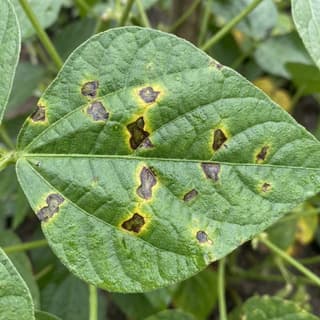
Bacterial Leaf Spot
MediumBacterial leaf spot is a plant disease caused by bacteria in the Xanthomonas and Pseudomonas genera that affects various ornamental and edible plants. The bacteria infect leaves through wounds or natural openings, causing characteristic lesions that can lead to premature leaf drop and plant weakening.
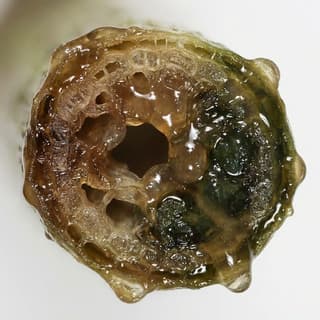
Bacterial Soft Rot
HighBacterial soft rot is a destructive plant disease caused primarily by bacteria from the genera Pectobacterium (formerly Erwinia) and Dickeya. These bacteria produce enzymes that break down plant cell walls, causing rapid and foul-smelling tissue decomposition. It mainly affects succulent tissues such as tubers, fruits, stems, and bulbs, being especially problematic in warm and humid conditions.
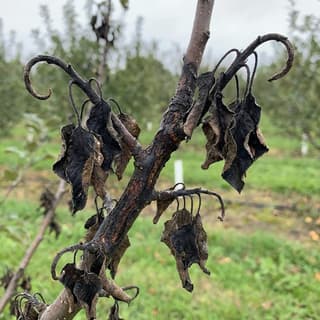
Fire Blight
CRITICALFire blight is a highly destructive and contagious bacterial disease caused by Erwinia amylovora. It primarily affects plants in the Rosaceae family, including apple, pear, quince trees, and various ornamental plants. The disease can destroy an entire orchard in a single growing season under ideal conditions, with the bacterium moving approximately 11 inches per week in new growth.
Crown Gall
HighCrown gall is a bacterial disease caused by Agrobacterium tumefaciens that affects over 140 species of plants. The bacteria insert DNA into plant cells, causing them to divide uncontrollably and form large tumor-like growths (galls) primarily on roots, stems, and at the soil line. These galls restrict water and nutrient flow, severely impacting plant health and potentially killing the plant.