Carolina poplar Prone to Bacterial Canker: How to Protect
Populus × canadensis
Bacterial Canker on Carolina poplar: What to Know?
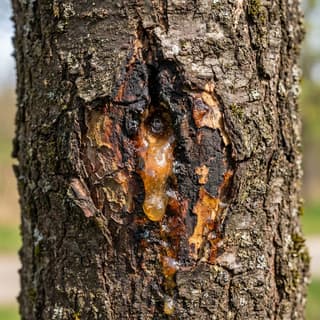
Bacterial Canker on Carolina poplar (Populus × canadensis) is a bacterial condition with high severity. Carolina poplar has high susceptibility to this disease. Serious bacterial disease affecting stone fruits and tomatoes caused by Pseudomonas syringae or Clavibacter michiganensis. Creates sunken lesions that ooze sap.
Carolina poplar is a easy-care plant. Recovery from Bacterial Canker takes approximately 28 days with proper treatment.
Carolina poplar is highly susceptible to Bacterial Canker, unlike most plants in the same family. Without early intervention, recovery takes 42 days instead of 28 days.
🔍 What Does Bacterial Canker Look Like on Carolina poplar?
- • Sunken water-soaked lesions
- • Dark cankers with raised edges
- • Amber sap oozing
- • Branch dieback
- • Brown vascular streaks
❓ What Causes Bacterial Canker on Carolina poplar?
- → Pseudomonas syringae bacteria
- → Contaminated tools
- → Rain splash
- → Cool wet weather
💊 How to Treat Bacterial Canker on Carolina poplar?
TLDR: Treat Bacterial Canker on Carolina poplar with quick treatment (~21 days) or organic (~28 days). Carolina poplar has high susceptibility to this disease.
Quick Fixes
Emergency pruning
Remove all infected branches immediately
Copper application
Heavy copper spray coverage
Organic Treatment
Prune infected areas
Cut 15cm below visible infection
Apply copper spray
Spray entire plant with copper hydroxide
Remove debris
Clean all fallen material
🛡️ How to Prevent Bacterial Canker on Carolina poplar?
TLDR: Prevent Bacterial Canker on Carolina poplar with 4 essential preventive care practices.
- ✓ Sterilize pruning tools
- ✓ Prune in dry weather
- ✓ Remove infected debris
- ✓ Improve air circulation
🌱 How to Care for Carolina poplar to Prevent Bacterial Canker?
💧 How to Water
For the first two years water deeply every week, especially in summer. Once established the roots find water on their own, but a deep soak during long droughts prevents early leaf drop.
☀️ Lighting
Full sun. It does not tolerate shade: in shade it grows lopsided and loses its lower branches.
🪴 Ideal Soil
Deep, moist, well-drained soil. Tolerates clay, sand, chalk and salty soil; pH is not critical.
Frequently asked questions
Can Bacterial Canker kill my Carolina poplar?
How long does Carolina poplar take to recover from Bacterial Canker?
Is Bacterial Canker contagious to other plants near Carolina poplar?
Sources & References
- Bacterial canker - UMN Extension
- Wikipedia — Populus × canadensis (hybrid black poplar)
- RHS — Populus × canadensis (Canadian poplar)
- Utah State University Extension Tree Browser — Poplar, Carolina and other hybrids
- Van den Berk Nurseries — Populus × canadensis hybrid black poplar
- Herbari Virtual UIB — Populus x canadensis (Spanish names)