Cercospora Leaf Spot: Fungal Disease | Treatment Guide
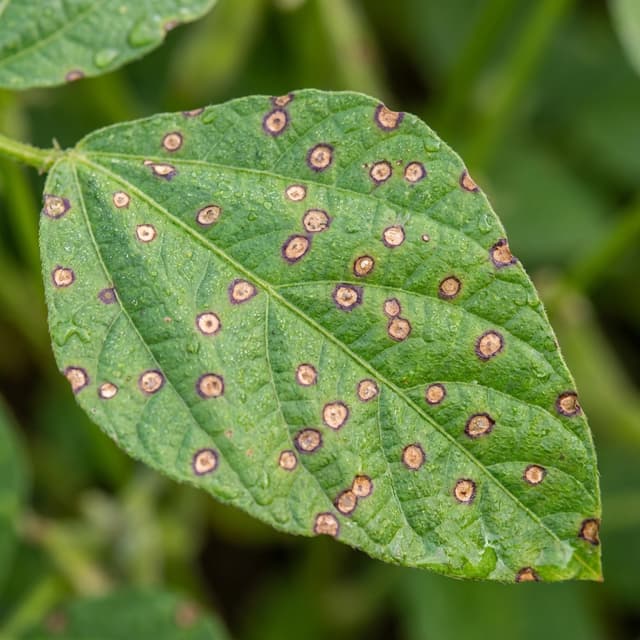
Cercospora is a fungal disease that causes round to oval leaf spots with a light center and a dark border. It thrives on prolonged leaf wetness, dense planting, and warm, stagnant weather. Infestations often begin as small dots on older leaves; the leaves eventually turn yellow and drop off. In gardens, it is commonly seen on beets, Swiss chard, sugar beets, roses, as well as in vegetable patches on tomatoes and eggplants. The infection spreads via rain and irrigation splashes and can survive in infected plant debris.
What is Cercospora Leaf Spot?
Cercospora Leaf Spot is a fungal condition with moderate severity that affects plants. Cercospora is a fungal disease that causes round to oval leaf spots with a light center and a dark border. It thrives on prolonged leaf wetness, dense planting, and warm, stagnant weather. Infestations often begin as small dots on older leaves; the leaves eventually turn yellow and drop off. In gard...
Cercospora Leaf Spot is a fungal disease with moderate severity. It affects 5 plant species in our database. This condition is contagious and can spread between plants.
Unlike bacterial infections, Cercospora Leaf Spot spreads slowly but is harder to eradicate. Without treatment, affected leaves won't recover. Without isolation, nearby plants can become infected within days.
🧪 Natural vs Chemical: Which Treatment Works for Cercospora Leaf Spot?
🌱 Natural Solutions
- ✓ Regularly remove and dispose of infected leaves; do not add them to the compost.
- ✓ Water at the soil surface in the morning to avoid wet leaves, and preferably use drip irrigation.
- ✓ Improve airflow by thinning and pruning, and avoid planting too densely.
- ✓ Apply a light mulch such as straw or wood chips to reduce soil splashing.
- ✓ Clean pots and disinfect tools between plants using rubbing alcohol, for example.
- ✓ Repot container plants in fresh, clean potting soil in case of severe infestations.
- ✓ Use crop rotation in the vegetable garden and grow other crops in that location for two to three years.
- ✓ Where approved, use biological leaf treatments containing beneficial microorganisms according to the instructions.
💉 Chemical Solutions
- ✓ If necessary, choose an approved fungicide for home use containing sulfur or potassium bicarbonate.
- ✓ Treat at the first sign of spots and repeat as needed according to the instructions, following correct dosage, intervals, and pre-harvest intervals.
- ✓ Always combine chemical treatment with good hygiene, dry leaves, and improved airflow around the plants.
🛡️ How to Prevent Cercospora Leaf Spot?
TLDR: Prevent Cercospora Leaf Spot with 7 essential care practices. Regular monitoring is key for early detection.
- ✓ Choose robust or resistant varieties whenever possible.
- ✓ Plant in bright, airy locations and maintain appropriate spacing.
- ✓ Water at the roots and avoid getting the leaves wet.
- ✓ Regularly remove withered leaves and clear all plant debris after the season.
- ✓ Maintain a crop rotation of two to three years for beets, Swiss chard, and related crops.
- ✓ Purchase healthy plant material and inspect new plants before transplanting.
- ✓ Clean tools and pots between uses to prevent the spread of disease.
🔗Related Diseases
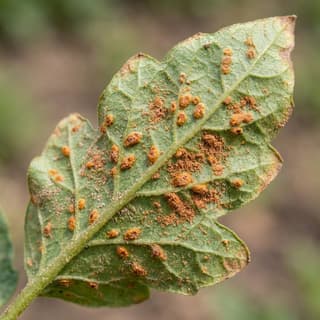
Rust
Rust fungi (Pucciniales) are fungal diseases that form rust-colored, usually orange to brown pustules with powdery spore dust on leaves, stems, or fruits. Typical symptoms include small spots that develop into cushions or rings; leaves turn yellow, curl, and drop prematurely. The fungi spread primarily in damp weather and dense foliage. Many ornamental and crop plants are affected, frequently including roses, mallows (hollyhocks), pears (pear rust), and currants. Some rust fungi require two host plants for their life cycle, such as pear and certain juniper species.
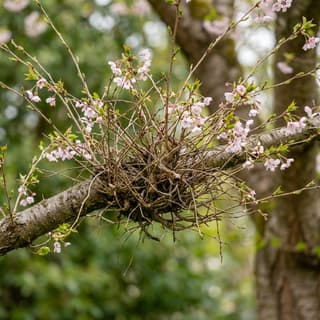
Cherry Witches' Broom
Taphrina wiesneri is a fungal disease affecting cherry trees (Prunus species, including sweet, sour, and ornamental varieties). The fungus overwinters in buds and bark, infecting young leaves and shoots during cool, wet spring weather. Infected leaves become thickened, puckered, and curled, often displaying reddish or yellow blotches and a fine whitish bloom on the surface. Severely affected leaves may drop prematurely. Small twigs can develop 'witches' brooms,' which are dense clusters of weak, distorted shoots.
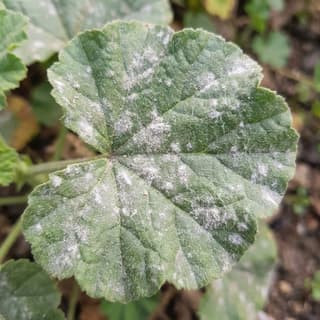
Powdery Mildew
MediumPowdery mildew is a common fungal disease caused by various fungi species including Erysiphe, Podosphaera, Oïdium, and Leveillula. It affects over 10,000 plant species worldwide. The disease thrives in warm, dry climates with high humidity and appears as a distinctive white powdery coating on plant surfaces.

Root Rot
HighRoot rot is a serious fungal disease that affects the root system of plants, causing them to decay and die. It is primarily caused by overwatering, poor drainage, or soil-borne fungi such as Pythium, Phytophthora, Rhizoctonia, and Fusarium. The disease thrives in waterlogged conditions where roots are deprived of oxygen, making them susceptible to fungal infection.