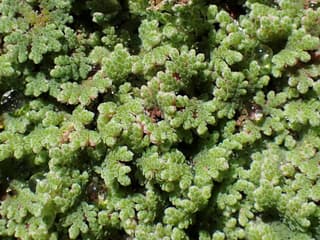
Carolina mosquitofern with Curculionidae? Rare but Treatable
Azolla caroliniana
Curculionidae on Carolina mosquitofern: What to Know?
Curculionidae on Carolina mosquitofern (Azolla caroliniana) is a other condition with moderate severity. Carolina mosquitofern has low susceptibility to this disease. Curculionidae (weevils) are small beetles that feed on plants. Adults chew leaf margins, leaving crescent-shaped notches, primarily at night. The larvae live in the substrate and consume roots, causin...
Carolina mosquitofern is a easy-care plant. As an indoor plant, ensure good ventilation to aid recovery.
Unlike most plants, Carolina mosquitofern has natural resistance to Curculionidae. Best treated with preventive measures rather than reactive treatment.
🛡️ How to Prevent Curculionidae on Carolina mosquitofern?
TLDR: Prevent Curculionidae on Carolina mosquitofern with 7 essential preventive care practices.
- ✓ Inspect and, if possible, quarantine any new plants for 2 to 3 weeks.
- ✓ Use high-quality, clean substrate and wash or disinfect pots and tools before reuse.
- ✓ Keep the environment clear by removing plant debris and stacked wood that serve as shelter.
- ✓ Adjust watering and avoid waterlogging, which exacerbates damage to weakened roots.
- ✓ Place adhesive bands in spring and summer if you had issues the previous year.
- ✓ Apply nematodes preventatively in late summer or autumn in pots and flowerbeds with a history of weevils.
- ✓ Regularly check leaf margins, as early detection of notches facilitates control.
🌱 How to Care for Carolina mosquitofern to Prevent Curculionidae?
💧 How to Water
This is an aquatic plant: it has to float on water at all times and dies within hours if it dries out. Top up evaporated water, keep the surface calm (strong filter flow or splashing that wets the top of the fronds causes rot) and avoid salty or hard, alkaline water.
☀️ Lighting
Give it bright light or partial sun — about half of full sunlight is ideal. Strong light turns the fronds red, which is normal. In deep shade or weak aquarium light it stops growing and the mat thins out.
🪴 Ideal Soil
It needs no soil; the roots hang free in the water. Growth depends on the water itself: slightly acidic to neutral pH, some phosphorus (red, stalled fronds signal a shortage) and a little iron (yellow fronds signal iron deficiency). In an aquarium, a light, regular dose of liquid fertilizer helps.