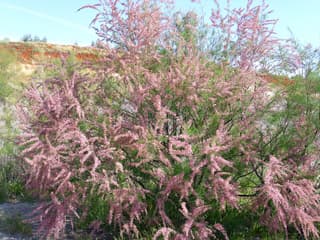
French Tamarisk with Curculionidae? Rare but Treatable
Tamarix gallica
Curculionidae on French Tamarisk: What to Know?
Curculionidae on French Tamarisk (Tamarix gallica) is a other condition with moderate severity. French Tamarisk has low susceptibility to this disease. Curculionidae (weevils) are small beetles that feed on plants. Adults chew leaf margins, leaving crescent-shaped notches, primarily at night. The larvae live in the substrate and consume roots, causin...
French Tamarisk is a easy-care plant.
Unlike most plants, French Tamarisk has natural resistance to Curculionidae. Best treated with preventive measures rather than reactive treatment.
🛡️ How to Prevent Curculionidae on French Tamarisk?
TLDR: Prevent Curculionidae on French Tamarisk with 7 essential preventive care practices.
- ✓ Inspect and, if possible, quarantine any new plants for 2 to 3 weeks.
- ✓ Use high-quality, clean substrate and wash or disinfect pots and tools before reuse.
- ✓ Keep the environment clear by removing plant debris and stacked wood that serve as shelter.
- ✓ Adjust watering and avoid waterlogging, which exacerbates damage to weakened roots.
- ✓ Place adhesive bands in spring and summer if you had issues the previous year.
- ✓ Apply nematodes preventatively in late summer or autumn in pots and flowerbeds with a history of weevils.
- ✓ Regularly check leaf margins, as early detection of notches facilitates control.
🌱 How to Care for French Tamarisk to Prevent Curculionidae?
💧 How to Water
Water young plants weekly during their first growing season; once established, French Tamarisk is highly drought-tolerant and needs supplemental water only during extended dry spells. Always let soil dry out between waterings, as it strongly dislikes standing water.
☀️ Lighting
Give it full sun exposure with at least 6 hours of direct light daily. It cannot tolerate shade and will produce far fewer flowers if planted in a shaded spot.
🪴 Ideal Soil
Grows in sandy, loamy or clay soils as long as drainage is good; avoid shallow chalky soils. It is unusually tolerant of saline and alkaline conditions, making it ideal for coastal plantings.