Cottage Pink with Bacterial Soft Rot? Rare but Treatable
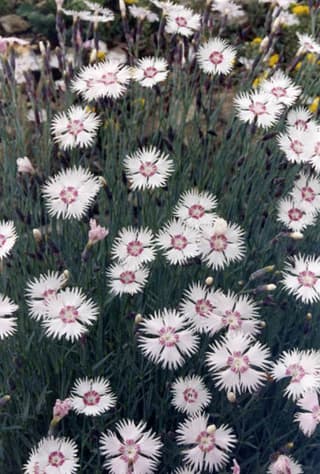
Dianthus plumarius
Bacterial Soft Rot on Cottage Pink: What to Know?
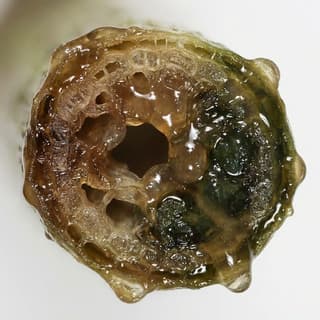
Bacterial Soft Rot on Cottage Pink (Dianthus plumarius) is a bacterial condition with moderate severity. Cottage Pink has low susceptibility to this disease. Erwinia is a genus of plant-pathogenic bacteria that cause fast-spreading rots and blights. On apple and pear, Erwinia amylovora causes fire blight: tender shoots wilt, turn dark, and often bend like...
Cottage Pink is a easy-care plant.
Unlike most plants, Cottage Pink has natural resistance to Bacterial Soft Rot. Best treated with preventive measures rather than reactive treatment.
🛡️ How to Prevent Bacterial Soft Rot on Cottage Pink?
TLDR: Prevent Bacterial Soft Rot on Cottage Pink with 8 essential preventive care practices.
- ✓ Choose resistant or less-susceptible apple and pear varieties when possible.
- ✓ Plant trees and shrubs with good spacing and prune them yearly to maintain airflow and avoid dense, shaded canopies.
- ✓ Water plants at the base in the morning and keep foliage and flowers as dry as possible.
- ✓ Sterilize pruning tools before and during use and avoid pruning in wet weather.
- ✓ Use clean potting mix and containers and isolate new plants for 2–3 weeks before adding them to your collection.
- ✓ Avoid heavy nitrogen fertilization that encourages soft, lush growth.
- ✓ Remove and discard blighted twigs, mummified fruit, and fallen debris throughout the season.
- ✓ Manage insects that visit flowers or wounds, using non-chemical methods first, to reduce the spread of bacteria.
🌱 How to Care for Cottage Pink to Prevent Bacterial Soft Rot?
💧 How to Water
Water deeply but infrequently, only when the top inch of soil is dry. Always water at the base of the plant — wet foliage encourages fungal disease.
☀️ Lighting
Give at least 6 hours of direct sun daily for the best flowering and compact growth; it tolerates light afternoon shade in hot climates.
🪴 Ideal Soil
Use loose, well-drained soil (sandy or loamy) with a neutral to slightly alkaline pH of 6.0-7.5. Avoid heavy clay and waterlogged spots.
Frequently asked questions
Can Bacterial Soft Rot kill my Cottage Pink?
Is Bacterial Soft Rot contagious to other plants near Cottage Pink?
Sources & References
- Dianthus plumarius - NC State Extension Gardener Plant Toolbox
- Growing Dianthus In The Garden - Gardening Know How
- Dianthus Flowers: Growing Tips, Varieties & Care Guide - Garden Design
- Dianthus Pests - Plant Addicts
- Dianthus plumarius - PFAF Plant Database
- Dianthus Flower Meaning and Symbolism of Each Color - Florgeous
- Planting and Growing Dianthus (Pinks) - Almanac
- Tips for Growing Dianthus - Garden Lovers Club