Erwinia — Plant Disease
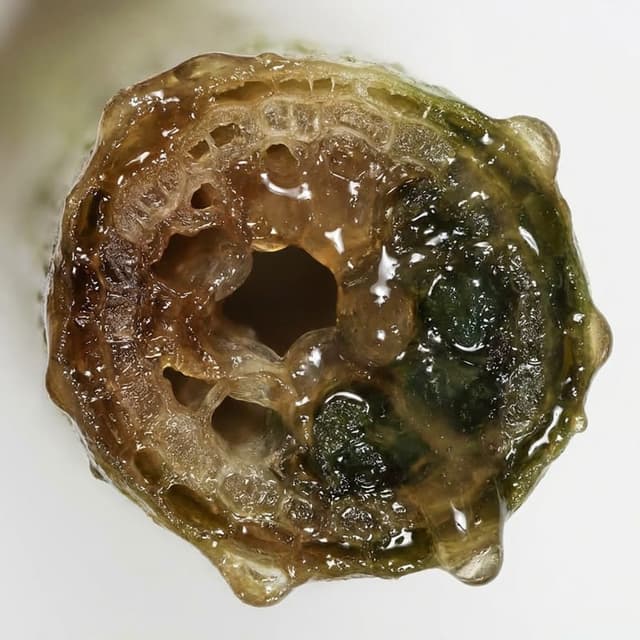
Erwinia is a genus of plant-pathogenic bacteria that cause fast-spreading rots and blights. On apple and pear, Erwinia amylovora causes fire blight: tender shoots wilt, turn dark, and often bend like a shepherd’s crook; blossoms and twigs may ooze a sticky, amber liquid. In vegetables and many houseplants, related Erwinia-type bacteria cause soft rot: leaves or stems look water-soaked, turn mushy, and smell bad, often starting at wounds or at the crown. These bacteria spread by splashing water, insects, dirty tools, and infected plant parts, especially in warm, wet weather.
What is Bacterial Soft Rot?
Bacterial Soft Rot is a bacterial condition with moderate severity that affects plants. Erwinia is a genus of plant-pathogenic bacteria that cause fast-spreading rots and blights. On apple and pear, Erwinia amylovora causes fire blight: tender shoots wilt, turn dark, and often bend like a shepherd’s crook; blossoms and twigs may ooze a sticky, amber liquid. In vegetables and many house...
Bacterial Soft Rot is a bacterial disease with moderate severity. It affects 6 plant species in our database. This condition is contagious and can spread between plants.
Bacterial Soft Rot has no effective chemical cure, unlike pests. Without removing affected parts, the infection spreads internally through the plant. Without isolation, nearby plants can become infected within days.
🧪 Natural vs Chemical: Which Treatment Works for Bacterial Soft Rot?
🌱 Natural Solutions
- ✓ Prune out infected shoots 20–30 cm (8–12 in) below visible damage.
- ✓ Bag and dispose of pruned material in the trash and do not compost it.
- ✓ Disinfect pruners between cuts with 70% alcohol or a fresh 10% household bleach solution, then rinse and dry the tools.
- ✓ Thin dense growth and remove suckers to improve air movement, especially on apple and pear trees.
- ✓ Avoid overhead watering and water at soil level instead.
- ✓ For soft rot on houseplants or vegetables, cut away all mushy tissue and repot the plant into fresh, well-draining mix, keeping the crown slightly above the soil line.
- ✓ Reduce humidity around plants and let the top layer of the potting mix dry slightly between waterings.
- ✓ Avoid injuring plants during staking, tying, trimming, or mowing.
- ✓ Disinfect knives and other cutting tools when dividing or trimming plants.
- ✓ Apply preventive biological products containing Bacillus subtilis, Bacillus amyloliquefaciens, or Aureobasidium pullulans during high-risk periods such as bloom on pome fruit where these products are allowed and labeled.
- ✓ Use biological protectants as preventive treatments rather than expecting them to cure existing infections.
💉 Chemical Solutions
- ✓ Recognize that home-garden chemical options for bacterial diseases are limited.
- ✓ Use copper-based bactericides such as copper hydroxide or copper octanoate or soap, if they are permitted and labeled for your plant and region, to help protect apples and pears around bloom and during warm, wet spells.
- ✓ Follow the product label carefully when applying copper-based bactericides to minimize leaf injury and resistance issues.
- ✓ Do not rely on sprays to cure soft rot on ornamentals and houseplants and instead focus on hygiene, airflow, and careful watering.
- ✓ Do not use antibiotics on plants unless they are specifically approved and labeled for your crop in your area.
🛡️ How to Prevent Bacterial Soft Rot?
TLDR: Prevent Bacterial Soft Rot with 8 essential care practices. Regular monitoring is key for early detection.
- ✓ Choose resistant or less-susceptible apple and pear varieties when possible.
- ✓ Plant trees and shrubs with good spacing and prune them yearly to maintain airflow and avoid dense, shaded canopies.
- ✓ Water plants at the base in the morning and keep foliage and flowers as dry as possible.
- ✓ Sterilize pruning tools before and during use and avoid pruning in wet weather.
- ✓ Use clean potting mix and containers and isolate new plants for 2–3 weeks before adding them to your collection.
- ✓ Avoid heavy nitrogen fertilization that encourages soft, lush growth.
- ✓ Remove and discard blighted twigs, mummified fruit, and fallen debris throughout the season.
- ✓ Manage insects that visit flowers or wounds, using non-chemical methods first, to reduce the spread of bacteria.
🔗Related Diseases
Bacterial Leaf Spot
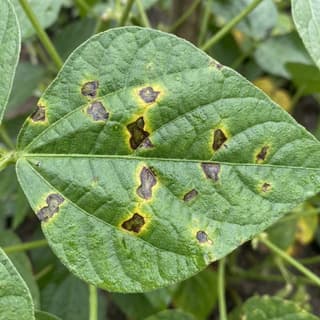
MediumBacterial leaf spot is a plant disease caused by bacteria in the Xanthomonas and Pseudomonas genera that affects various ornamental and edible plants. The bacteria infect leaves through wounds or natural openings, causing characteristic lesions that can lead to premature leaf drop and plant weakening.
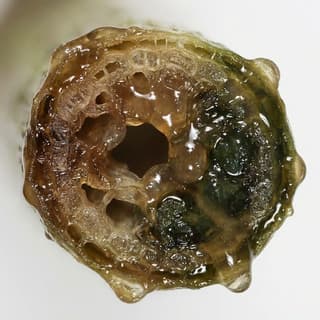
Bacterial Soft Rot
HighBacterial soft rot is a destructive plant disease caused primarily by bacteria from the genera Pectobacterium (formerly Erwinia) and Dickeya. These bacteria produce enzymes that break down plant cell walls, causing rapid and foul-smelling tissue decomposition. It mainly affects succulent tissues such as tubers, fruits, stems, and bulbs, being especially problematic in warm and humid conditions.
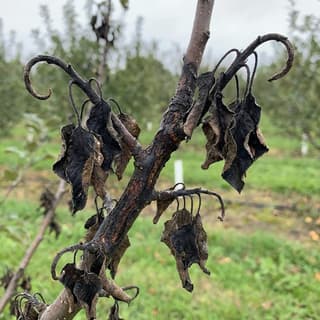
Fire Blight
CRITICALFire blight is a highly destructive and contagious bacterial disease caused by Erwinia amylovora. It primarily affects plants in the Rosaceae family, including apple, pear, quince trees, and various ornamental plants. The disease can destroy an entire orchard in a single growing season under ideal conditions, with the bacterium moving approximately 11 inches per week in new growth.
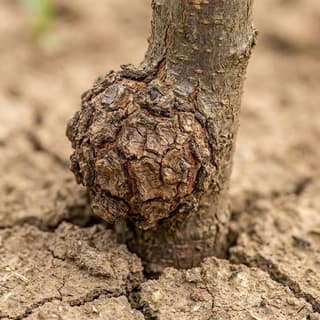
Crown Gall
HighCrown gall is a bacterial disease caused by Agrobacterium tumefaciens that affects over 140 species of plants. The bacteria insert DNA into plant cells, causing them to divide uncontrollably and form large tumor-like growths (galls) primarily on roots, stems, and at the soil line. These galls restrict water and nutrient flow, severely impacting plant health and potentially killing the plant.