Grapevine Yellows: Bacterial Infection | How to Treat
This disease is caused by phytoplasmas (specialized bacteria) that disrupt the flow of sap within the vine. Leaves turn yellow or red and curl downward, while shoots fail to lignify properly. This often leads to the death of the plant or significant crop losses.
Medium
30 days
What is Grapevine Yellows?
Grapevine Yellows is a bacterial condition with high severity that affects plants. This disease is caused by phytoplasmas (specialized bacteria) that disrupt the flow of sap within the vine. Leaves turn yellow or red and curl downward, while shoots fail to lignify properly. This often leads to the death of the plant or significant crop losses.
Grapevine Yellows is a bacterial disease with high severity that spreads at a moderate rate. Recovery typically takes approximately 30 days with proper treatment. This condition is contagious and can spread between plants.
Grapevine Yellows has no effective chemical cure, unlike pests. Without removing affected parts, the infection spreads internally through the plant. Not recommended to ignore early signs. Without early intervention, recovery can take twice as long. Without isolation, nearby plants can become infected within days.
🔍 What Are the Symptoms of Grapevine Yellows?
TLDR: Grapevine Yellows presents 5 main symptoms. Early identification is crucial for effective treatment.
Main Symptoms
- ! Leaves curl downward in a shingle-like fashion
- ! Yellowing of foliage in white grape varieties
- ! Reddening of foliage in red grape varieties
- ! Shoots remain soft and fail to lignify
- ! Inflorescences dry up and drop off
Visual Signs
❓ What Causes Grapevine Yellows in Plants?
- → Transmission by leafhoppers (cicadas)
- → Infected propagation material
- → Phytoplasmas present in the vascular tissue
💊 How to Treat Grapevine Yellows?
Step by Step
- 1
Immediately prune away affected plant parts
- 2
Monitor vector insects using yellow sticky traps
- 3
Completely uproot and remove heavily infected vines
- 4
Disinfect tools after every cut
🧪 Natural vs Chemical: Which Treatment Works for Grapevine Yellows?
🌱 Natural Solutions
- ✓ Hot water treatment of cuttings
- ✓ Removal of host plants such as stinging nettles
- ✓ Promotion of natural predators of the leafhopper
💉 Chemical Solutions
- ✓ Insecticides targeting the vector leafhoppers
🛡️ How to Prevent Grapevine Yellows?
TLDR: Prevent Grapevine Yellows with 4 essential care practices. Regular monitoring is key for early detection.
- ✓ Plant only certified, healthy vines
- ✓ Keep weeds near the vines trimmed short
- ✓ Regularly monitor for leafhopper infestations
- ✓ Select resistant grape varieties
🔗Related Diseases
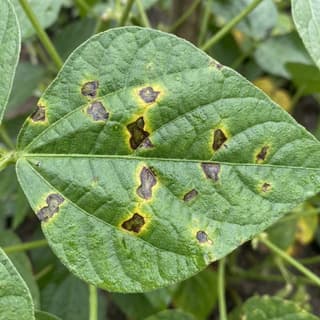
Bacterial Leaf Spot
MediumBacterial leaf spot is a plant disease caused by bacteria in the Xanthomonas and Pseudomonas genera that affects various ornamental and edible plants. The bacteria infect leaves through wounds or natural openings, causing characteristic lesions that can lead to premature leaf drop and plant weakening.
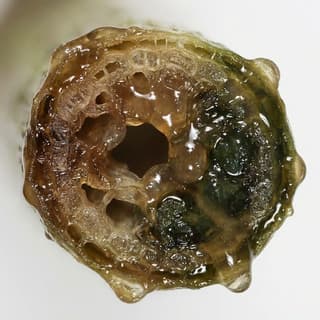
Bacterial Soft Rot
HighBacterial soft rot is a destructive plant disease caused primarily by bacteria from the genera Pectobacterium (formerly Erwinia) and Dickeya. These bacteria produce enzymes that break down plant cell walls, causing rapid and foul-smelling tissue decomposition. It mainly affects succulent tissues such as tubers, fruits, stems, and bulbs, being especially problematic in warm and humid conditions.
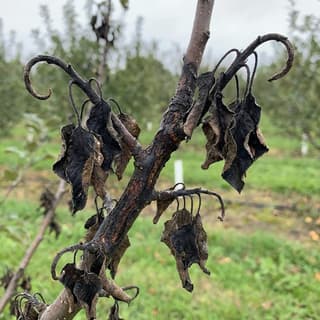
Fire Blight
CRITICALFire blight is a highly destructive and contagious bacterial disease caused by Erwinia amylovora. It primarily affects plants in the Rosaceae family, including apple, pear, quince trees, and various ornamental plants. The disease can destroy an entire orchard in a single growing season under ideal conditions, with the bacterium moving approximately 11 inches per week in new growth.
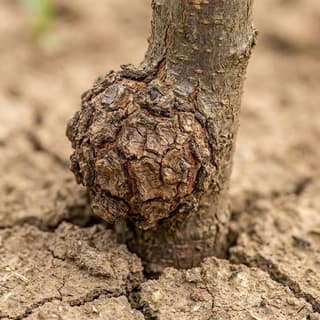
Crown Gall
HighCrown gall is a bacterial disease caused by Agrobacterium tumefaciens that affects over 140 species of plants. The bacteria insert DNA into plant cells, causing them to divide uncontrollably and form large tumor-like growths (galls) primarily on roots, stems, and at the soil line. These galls restrict water and nutrient flow, severely impacting plant health and potentially killing the plant.