Heat Stress: Environmental Stress | How to Fix
Heat stress occurs when plants are exposed to excessively high temperatures, typically above 85-90°F (29-32°C), causing physiological damage and compromising vital processes such as photosynthesis and transpiration.
Fast
21 days
What is Heat Stress?
Heat Stress is a environmental condition with moderate severity that affects plants. Heat stress occurs when plants are exposed to excessively high temperatures, typically above 85-90°F (29-32°C), causing physiological damage and compromising vital processes such as photosynthesis and transpiration.
Heat Stress is a environmental disease with moderate severity that spreads at a fast rate. Recovery typically takes approximately 21 days with proper treatment. It affects 10 plant species in our database.
Unlike infectious diseases, Heat Stress is caused by environmental conditions. Without correcting the environment, symptoms return even after treatment. Unlike many common diseases, Heat Stress is not contagious between plants.
🔍 What Are the Symptoms of Heat Stress?
TLDR: Heat Stress presents 8 main symptoms. Early identification is crucial for effective treatment.
Main Symptoms
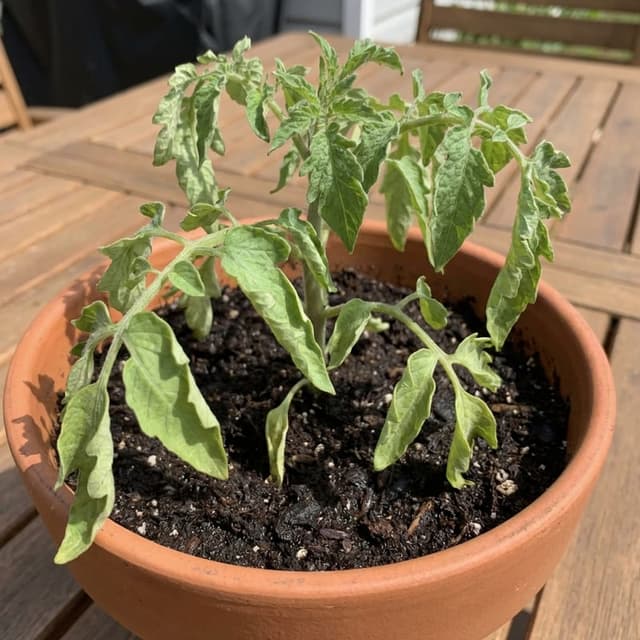
- ! Wilting of leaves and stems
- ! Scorched or burned leaf edges and tips (leaf scorch)
- ! Brown, dry margins on leaves
- ! Leaf curling and rolling
- ! Yellowing of stems, fruit, or bark
- ! Flower and fruit drop
- ! Stem dieback
- ! Leaf drop (defoliation)
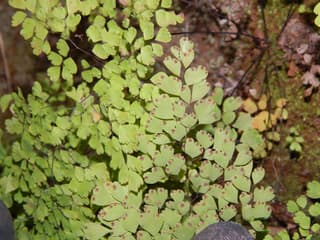
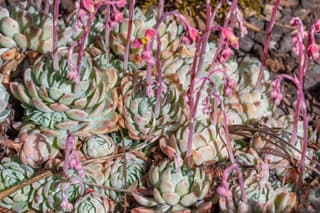
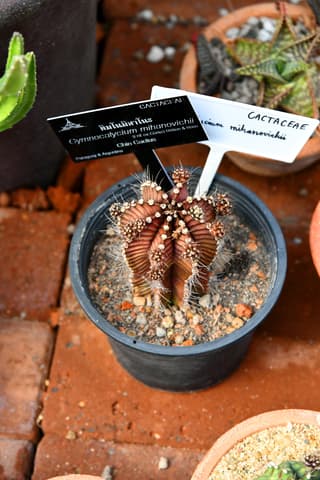
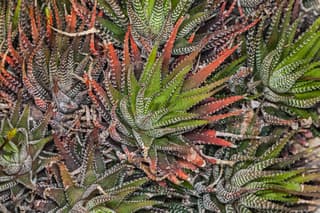
Visual Signs
❓ What Causes Heat Stress in Plants?
- → Temperatures above 85-90°F (29-32°C)
- → Prolonged exposure to direct sunlight
- → Low air humidity
- → Insufficient soil moisture
- → Heat reflected from walkways, patios, and structures
- → Poor air circulation
- → Shallow roots or compromised root system
💊 How to Treat Heat Stress?
TLDR: Treat Heat Stress with 11 days of quick treatment or 21 days of organic treatment. Full recovery takes approximately 21 days.
Quick Fixes
~11 days
Step 1
Immediately water plant deeply at root zone using soaker hose or drip system
Step 2
Move container plants to shaded area or install emergency shade cover over garden plants
Step 3
Mist foliage lightly in early morning or evening to cool leaves (avoid midday misting)
Step 4
Remove only completely browned or dead foliage - avoid heavy pruning during stress
Step 5
Apply diluted seaweed extract spray for rapid cell repair support
Step 6
Monitor soil moisture daily and water when top 2 inches are dry
Materials needed:
Organic Treatment
~21 days
Step 1
Apply 2-3 inch layer of organic mulch (straw, wood chips, shredded leaves) around plant base, keeping slightly away from stem
Step 2
Water deeply during early morning (before 9 AM) or evening (after 6 PM) when evaporation is lowest
Step 3
Add compost, worm castings, and biochar to soil to improve water retention and heat resilience
Step 4
Install shade cloth (30-50% density) or move container plants to shadier location
Step 5
Trim only severely scorched leaves and dead flowers to redirect energy toward healthy recovery
Step 6
Apply liquid seaweed extract or fish hydrolysate to support cell repair and hormone balance
Materials needed:
Expert Treatment
~32 days
Step 1
Assess heat damage severity: check for leaf rolling, browning edges, wilting, trunk splitting, or fruit damage
Step 2
Implement deep watering schedule: long, irregular waterings at drip line to encourage deep root growth
Step 3
Install shade protection: use 30-50% density shade cloth positioned several inches above plants
Step 4
Apply 4-6 inch layer of organic mulch to reduce soil temperature and protect root zone
Step 5
Use pre-sowing seed priming with salicylic acid and chitosan for future plantings to enhance heat tolerance
Step 6
Apply liquid fish hydrolysate and seaweed extracts for rapid cell repair and hormone support
Step 7
Monitor recovery timeline: heat-tolerant species recover in 90 minutes, sensitive species need 480+ minutes
Step 8
Hold off on fertilizing until strong recovery signs appear to avoid diverting energy from repair
Step 9
Improve soil structure with organic matter to increase water holding capacity by 20-30%
Step 10
Prune only fully browned foliage after 2-3 weeks; delay major pruning until full recovery
Step by Step
- 1
Water the plant adequately as soon as possible to minimize wilting time
- 2
Provide immediate shade with shade cloth (30-50%) or umbrella
- 3
Lightly prune severely damaged or scorched leaves
- 4
Remove dead flowers to reduce energy expenditure
- 5
Avoid fertilization or excessive pruning that stimulates vulnerable new growth
- 6
Do not apply chemical treatments (even organic ones) like insecticidal soap or neem oil
- 7
Monitor daily and maintain consistent watering schedule
- 8
Wait for natural recovery - may take from days to months depending on severity
🧪 Natural vs Chemical: Which Treatment Works for Heat Stress?
🌱 Natural Solutions
- ✓ Water immediately when first signs of wilting appear
- ✓ Install temporary shade (30-50% shade cloth) or umbrella
- ✓ Apply organic mulch to cool the soil
- ✓ Mist foliage during cooler hours (early morning or late afternoon)
- ✓ Increase humidity around plants with water trays
- ✓ Remove flowers and fruit to reduce energy demand
💉 Chemical Solutions
- ✓ Avoid applying fertilizers or pesticides during heat stress
- ✓ Do not use chemicals when plants are weakened
- ✓ Postpone any chemical treatment until temperatures normalize
Treatment Comparison
| Type | Estimated time | Steps | Difficulty | Best For |
|---|---|---|---|---|
| ⚡Quick | ~11 days | 6 | Advanced | Urgent cases |
| 🌿Organic | ~21 days | 6 | Advanced | Indoor plants |
| 🔬Expert | ~32 days | 10 | Advanced | Severe infections |
🛡️ How to Prevent Heat Stress?
TLDR: Prevent Heat Stress with 7 essential care practices. Regular monitoring is key for early detection.
- ✓ Apply mulch 4-6 inches (10-15 cm) thick around plants
- ✓ Water deeply in early morning hours
- ✓ Choose heat-tolerant plants for your climate
- ✓ Avoid planting or transplanting during hot periods
- ✓ Provide partial shade during hottest hours (30-50% shade cloth)
- ✓ Maintain good air circulation between plants
- ✓ Monitor plants near heat-radiating surfaces
🔗Related Diseases
Severe Defoliation
HighThis condition involves a sudden and massive loss of leaves caused by adverse environmental factors. The plant sheds its foliage in an attempt to survive extreme stress, such as abrupt temperature changes, improper watering, or transplant shock. If the underlying cause is not addressed, the plant may completely wither and die.
Severe Defoliation and Dormancy
HighThis condition is triggered by extreme environmental stress, such as sudden temperature fluctuations, insufficient light, or improper watering. In an effort to survive, the plant sheds its leaves and enters a dormant state to conserve energy.
Leaf Drop (Environmental Stress)
MediumLeaf drop occurs when a plant undergoes sudden environmental changes, such as insufficient light, excessive wind, or temperature fluctuations. It is not a fungal disease, but rather a physical response to stress.
Physical Leaf Damage
LowThis is not an infectious disease, but rather the result of external mechanical or environmental factors. It occurs due to rough handling, strong winds, hail, or pets. Leaves exhibit tears, cuts, or frayed edges, but the rest of the plant typically remains healthy and green.