Lack of Light in Plants: Symptoms & Treatment
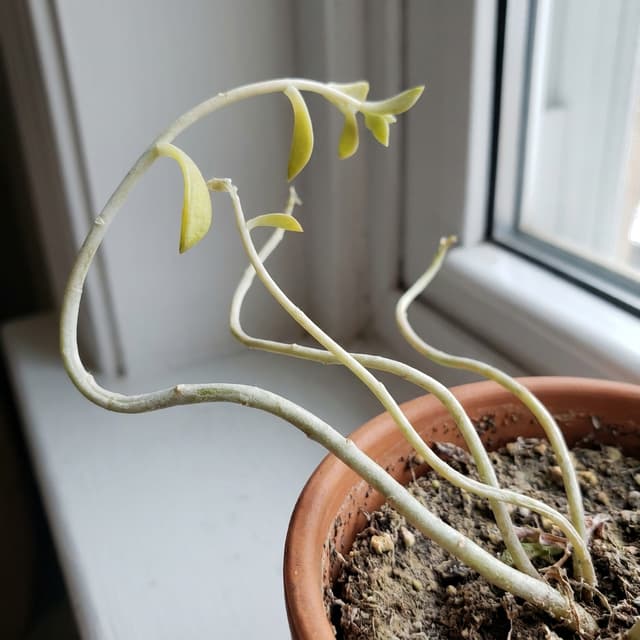
Lack of light, also known as etiolation, is an environmental condition that occurs when a plant does not receive adequate light for normal photosynthesis and growth. Without sufficient light, the plant cannot produce enough chlorophyll, leading to pale coloration, weakened tissues, and abnormal elongation as the plant stretches toward any available light source. Etiolation affects virtually all plant species, from sun-loving tropicals to shade-tolerant houseplants. While the condition is not contagious, it progressively weakens the plant over time, making it more susceptible to pests, disease, and physical damage. Prompt correction of lighting conditions is essential to reverse the effects and restore healthy growth.
21 days
What is Lack of Light?
Lack of Light is a environmental condition with moderate severity that affects plants. Lack of light, also known as etiolation, is an environmental condition that occurs when a plant does not receive adequate light for normal photosynthesis and growth. Without sufficient light, the plant cannot produce enough chlorophyll, leading to pale coloration, weakened tissues, and abnormal elon...
Lack of Light is a environmental disease with moderate severity. Recovery typically takes approximately 21 days with proper treatment. It affects 10 plant species in our database.
Unlike infectious diseases, Lack of Light is caused by environmental conditions. Without correcting the environment, symptoms return even after treatment. Unlike many common diseases, Lack of Light is not contagious between plants.
🔍 What Are the Symptoms of Lack of Light?
TLDR: Lack of Light presents 8 main symptoms. Early identification is crucial for effective treatment.
Main Symptoms
- ! Leggy or etiolated growth with abnormally long, spindly stems
- ! Pale, yellowish, or whitish leaves due to chlorophyll deficiency (chlorosis)
- ! Wide internodal spacing between leaves
- ! Small, underdeveloped new leaves
- ! Lower leaves yellowing and dropping prematurely
- ! Plant leaning or bending toward the nearest light source
- ! Reduced or absent flowering
- ! Thin, weak stems unable to support the plant's weight
Visual Signs
❓ What Causes Lack of Light in Plants?
- → Placement in dark corners or rooms with insufficient natural light
- → North-facing windows providing too little sunlight
- → Seasonal reduction in daylight hours during autumn and winter
- → Obstruction by curtains, furniture, buildings, or other plants
- → Overcast climates limiting light intensity for extended periods
- → Unchecked auxin hormone activity driving stem elongation when light is absent
💊 How to Treat Lack of Light?
TLDR: Treat Lack of Light with 21 days of quick treatment or 21 days of organic treatment. Full recovery takes approximately 21 days.
Quick Fixes
~21 days
Move plant now
Immediately relocate the plant to the brightest spot available in your home — a sunny windowsill or directly under a grow light.
Add grow light if needed
If natural light is insufficient, position a full-spectrum grow light 15–30 cm above the plant and turn it on for at least 14 hours.
Materials needed:
Organic Treatment
~21 days
Relocate gradually
Move the plant to the brightest available spot indoors, prioritizing east- or south-facing windows. Do this over 7–10 days to avoid shock.
Add grow light
Supplement with a full-spectrum LED grow light — run it 12–16 hours per day positioned 15–30 cm above the canopy.
Clean leaves
Wipe leaves clean of dust with a damp cloth to maximize photosynthetic efficiency.
Prune etiolated growth
Cut back severely stretched stems to a healthy node to encourage compact new growth.
Apply organic fertilizer
After 2 weeks of improved light, apply diluted seaweed or kelp fertilizer to support chlorophyll rebuilding and vigor.
Materials needed:
Expert Treatment
~21 days
Measure PAR
Use a PAR meter to measure photosynthetically active radiation. Foliage houseplants need 50–150 µmol/m²/s; flowering plants need 150–300 µmol/m²/s.
Hard prune if severely etiolated
For severely stretched plants, perform a hard prune to force fresh, compact regrowth rather than trying to rehabilitate all etiolated stems.
Propagate succulent rosettes
For succulents and cacti, cut the healthy rosette top and propagate it; let the etiolated base generate new compact offshoots.
Set smart grow light schedule
Use a smart grow light with programmable photoperiods to simulate seasonal light cycles appropriate to the plant species.
Track recovery weekly
Measure new leaf size and stem internodal spacing weekly. Adjust light distance or duration as needed to achieve compact growth without scorching.
Step by Step
- 1
Assess current light levels using a lux meter or smartphone app to confirm deficiency (below 1,000 lux is problematic for most houseplants)
- 2
Move the plant to a brighter location — ideally near a bright window with indirect or filtered light
- 3
If direct relocation is too abrupt, increase light exposure gradually: add 30 minutes of brighter light every 2–3 days to prevent leaf scorch
- 4
Prune severely etiolated stems back to a healthy node to redirect energy into compact new growth
- 5
If natural light is insufficient, install a full-spectrum LED grow light and run it 12–16 hours per day
- 6
Resume a balanced fertilizing schedule once the plant shows new healthy growth (typically after 2–4 weeks)
- 7
Monitor recovery over 3–4 weeks — new leaves should be darker green, more compact, and properly sized
🧪 Natural vs Chemical: Which Treatment Works for Lack of Light?
🌱 Natural Solutions
- ✓ Move the plant gradually to a brighter location over 7–10 days to avoid light shock
- ✓ Place in bright indirect light first, then slowly introduce more direct sun if the species tolerates it
- ✓ Clean dusty leaves with a damp cloth to maximize light absorption
- ✓ Supplement with a full-spectrum LED grow light (at least 2,000–5,000 lux) positioned 15–30 cm above the canopy
- ✓ Trim severely etiolated stems back to encourage compact, healthy regrowth from lower nodes
💉 Chemical Solutions
- ✓ Not applicable. Lack of light is an environmental condition — no chemical or pesticide treatment is relevant. Correcting light exposure is the only effective intervention.
Treatment Comparison
| Type | Estimated time | Steps | Difficulty | Best For |
|---|---|---|---|---|
| ⚡Quick | ~21 days | 2 | Advanced | Urgent cases |
| 🌿Organic | ~21 days | 5 | Advanced | Indoor plants |
| 🔬Expert | ~21 days | 5 | Advanced | Severe infections |
🛡️ How to Prevent Lack of Light?
TLDR: Prevent Lack of Light with 7 essential care practices. Regular monitoring is key for early detection.
- ✓ Choose plant species that match your available light levels
- ✓ Place plants near south- or east-facing windows for maximum natural light
- ✓ Rotate pots a quarter-turn weekly so all sides receive even light exposure
- ✓ Supplement with full-spectrum LED grow lights for 12–16 hours per day in low-light homes
- ✓ Keep windows clean to maximize light transmission
- ✓ Prune neighboring plants or move obstructions that cast shade
- ✓ Monitor plant posture regularly — leaning toward a window is an early warning sign
🔗Related Diseases
Severe Defoliation
HighThis condition involves a sudden and massive loss of leaves caused by adverse environmental factors. The plant sheds its foliage in an attempt to survive extreme stress, such as abrupt temperature changes, improper watering, or transplant shock. If the underlying cause is not addressed, the plant may completely wither and die.
Severe Defoliation and Dormancy
HighThis condition is triggered by extreme environmental stress, such as sudden temperature fluctuations, insufficient light, or improper watering. In an effort to survive, the plant sheds its leaves and enters a dormant state to conserve energy.
Leaf Drop (Environmental Stress)
MediumLeaf drop occurs when a plant undergoes sudden environmental changes, such as insufficient light, excessive wind, or temperature fluctuations. It is not a fungal disease, but rather a physical response to stress.
Physical Leaf Damage
LowThis is not an infectious disease, but rather the result of external mechanical or environmental factors. It occurs due to rough handling, strong winds, hail, or pets. Leaves exhibit tears, cuts, or frayed edges, but the rest of the plant typically remains healthy and green.