Excessive Light Exposure: How to Identify & Treat Fast
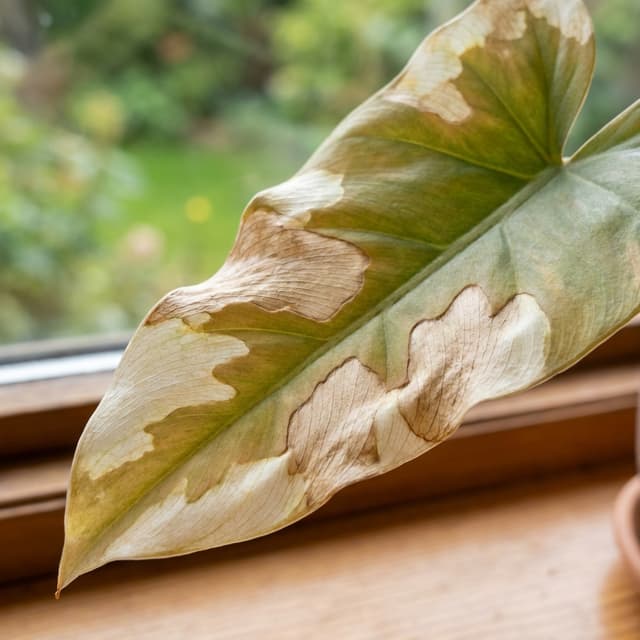
Excessive light can be harmful, particularly to shade-tolerant plants. The surplus light energy is converted into heat, which can damage plant tissues. Symptoms include yellow or brown spots on the foliage, general leaf yellowing, crispy brown edges or tips, and wilting. In severe cases, excessive light leads to sunburn or sunscald.
What is Excessive Light Exposure?
Excessive Light Exposure is a other condition with moderate severity that affects plants. Excessive light can be harmful, particularly to shade-tolerant plants. The surplus light energy is converted into heat, which can damage plant tissues. Symptoms include yellow or brown spots on the foliage, general leaf yellowing, crispy brown edges or tips, and wilting. In severe cases, excessive l...
Excessive Light Exposure is a other disease with moderate severity. It affects 1 plant species in our database.
Unlike many common diseases, Excessive Light Exposure is not contagious between plants.
🧪 Natural vs Chemical: Which Treatment Works for Excessive Light Exposure?
🌱 Natural Solutions
- ✓ Provide shade for the plant using a shade cloth or netting.
- ✓ Do not remove sunburned leaves until the risk of further exposure is minimized; these leaves protect other parts of the plant from damage.
- ✓ For trees: To promote wound healing, carefully remove any dead bark. Depending on the size of the wound, recovery may take several years.
🛡️ How to Prevent Excessive Light Exposure?
TLDR: Prevent Excessive Light Exposure with 2 essential care practices. Regular monitoring is key for early detection.
- ✓ For trees: Paint the trunk and sun-exposed branches with white latex paint. Ensure the paint is non-toxic to the plant.
- ✓ For trees: Wrap the trunk and sun-exposed branches with white tree wrap strips. Remove the wrap in early spring to allow for seasonal growth.
🔗Related Diseases
Mosaic Virus
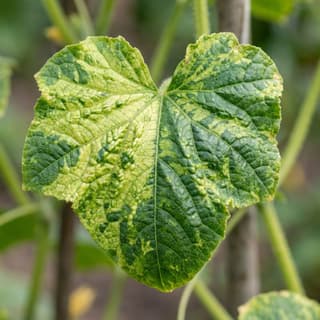
Potyviruses (family Potyviridae, genus Potyvirus) are plant viruses transmitted primarily by aphids during feeding and mechanically through sap. They cause mosaic patterns (light and dark patches) on leaves, leaf curling and distortion, vein clearing, leaf blistering, stunting, and in vegetables and fruits, streaks and discoloration. In potatoes (Potato virus Y), necrotic spots on leaves and ringspots on tubers may occur; in cucurbits (e.g., Zucchini yellow mosaic virus), distinct mosaic and deformations of leaves and fruit; in peppers, streaks and spots on fruit; in brassicas (Turnip mosaic virus), mosaic and stunted growth; and in plums, Sharka (plum pox) causing spots and fruit distortion. Infection can also be introduced via seeds, seedlings, tubers, scions, and host weeds. Unfortunately, infected plants cannot be cured.
Phytophthora Root Rot
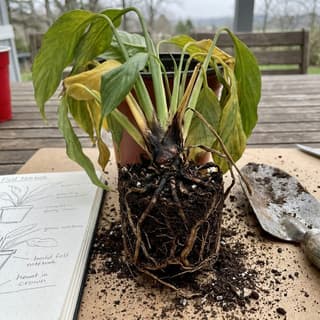
The Phytophthora genus consists of soil-borne oomycetes (water molds) that act as plant pathogens, primarily affecting trees and woody plants. It typically spreads through the root system, leading to systemic decline and eventual plant collapse.
Downy Mildew
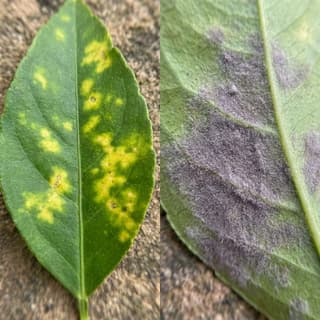
Pseudoperonospora is a genus of pathogens causing what is known as downy mildew. These are moisture-loving 'molds' from the kingdom Chromista that primarily attack leaves. Angular yellow spots appear between the veins on the upper side of the leaves, while a grayish-purple coating forms on the underside in humid conditions. The leaves turn brown, dry out, and the plant weakens. It most commonly affects cucumbers and other cucurbits (zucchini, pumpkins, melons) and, in our region, hops. It spreads via wind and rain and thrives during prolonged humidity, dew, cooler nights, and in stuffy greenhouses.
Annual Bluegrass (Poa annua)
MediumAnnual bluegrass is a common lawn weed that rapidly outcompetes desirable grass species. It is characterized by its lighter color, shallow root system, and prolific seed production even under low mowing heights. It is highly resilient and spreads quickly.