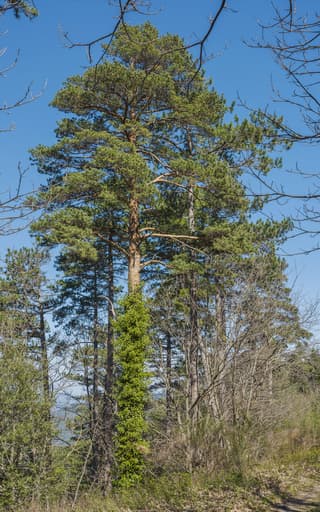
Maritime pine Prone to Root-Knot Nematodes: How to Protect
Pinus pinaster
Root-Knot Nematodes on Maritime pine: What to Know?
Root-Knot Nematodes on Maritime pine (Pinus pinaster) is a pest condition with moderate severity. Maritime pine has high susceptibility to this disease. Root-knot nematodes (Meloidogyne species) are microscopic roundworms that parasitize plant roots, causing characteristic galls or knots. These soil-borne pests are among the most economically damaging...
Maritime pine is a easy-care plant. Recovery from Root-Knot Nematodes takes approximately 90 days with proper treatment.
Maritime pine is highly susceptible to Root-Knot Nematodes, unlike most plants in the same family. Without early intervention, recovery takes 135 days instead of 90 days. Unlike fungal diseases, Root-Knot Nematodes on Maritime pine responds quickly to integrated pest management.
🔍 What Does Root-Knot Nematodes Look Like on Maritime pine?
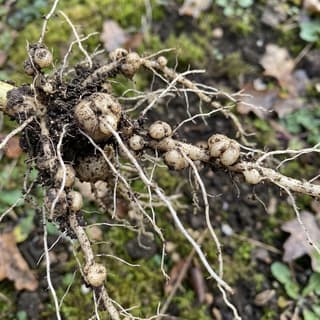
- • Characteristic galls or knots on roots (1-10mm in diameter)
- • Root swelling, distortion, and excessive branching
- • Yellowing of leaves (chlorosis), especially lower leaves
- • Wilting during hot periods despite adequate soil moisture
- • Stunted growth and reduced vigor
- • Reduced flowering and fruit production
- • Plant death in severe infestations
- • Discolored or necrotic root tips
❓ What Causes Root-Knot Nematodes on Maritime pine?
- → Infection by microscopic roundworms (Meloidogyne incognita, M. javanica, M. arenaria)
- → Nematode larvae penetrate roots and establish feeding sites
- → Enzymes injected by nematodes cause cell enlargement (galls)
- → Contaminated soil, water, or infected plant material
- → Warm soil temperatures (70-80°F/21-27°C) favor reproduction
- → Sandy, well-drained soils are most susceptible
- → Can survive in soil for years without host plants
🛡️ How to Prevent Root-Knot Nematodes on Maritime pine?
TLDR: Prevent Root-Knot Nematodes on Maritime pine with 8 essential preventive care practices.
- ✓ Plant resistant or tolerant varieties when available
- ✓ Rotate crops with non-susceptible plants (grasses, crucifers)
- ✓ Solarize soil before planting using clear plastic tarps (3-5 days in mid-summer)
- ✓ Use certified disease-free planting material
- ✓ Practice good sanitation: clean tools, remove infected roots immediately
- ✓ Improve soil health with organic matter to encourage beneficial microorganisms
- ✓ Avoid moving soil from infested to clean areas
- ✓ Plant French marigolds (Tagetes patula) as trap crops or cover crops
🌱 How to Care for Maritime pine to Prevent Root-Knot Nematodes?
💧 How to Water
Water every two weeks in summer if it does not rain, while the young tree builds roots. After that it usually gets by on rainfall and copes with dry spells. Avoid ground that stays waterlogged.
☀️ Lighting
Full sun. This pine cannot grow in shade, so plant it away from taller trees and buildings.
🪴 Ideal Soil
Sandy or gravelly soil that drains well, from acidic to neutral. It does well in poor ground and dune sand, and does worst in heavy, wet soil.
Frequently asked questions
Can Root-Knot Nematodes kill my Maritime pine?
How long does Maritime pine take to recover from Root-Knot Nematodes?
Is Root-Knot Nematodes contagious to other plants near Maritime pine?
Sources & References
- Wikipedia: Pinus pinaster
- Wikipédia: Pinheiro-bravo
- The Gymnosperm Database: Pinus pinaster
- Plants For A Future: Pinus pinaster
- EUFORGEN: Pinus pinaster
- MITECO: Pinus pinaster, regiones de procedencia
- Ministère de l'Agriculture (France): guide du pin maritime
- Faria et al. 2023, Vida Rural: nemátode da madeira do pinheiro