Amazon Sword with Nutrient Deficiency: Prevention & Cure
Echinodorus grisebachii
Nutrient Deficiency on Amazon Sword: What to Know?
Nutrient Deficiency on Amazon Sword (Echinodorus grisebachii) is a nutrient_deficiency condition with moderate severity. Amazon Sword has moderate susceptibility to this disease. Nutrient deficiency occurs when a plant cannot access one or more essential mineral elements in sufficient quantities for healthy growth. Plants require 17 essential nutrients: macronutrients (N, P, K...
Amazon Sword is a easy-care plant. Recovery from Nutrient Deficiency takes approximately 21 days with proper treatment. As an indoor plant, ensure good ventilation to aid recovery.
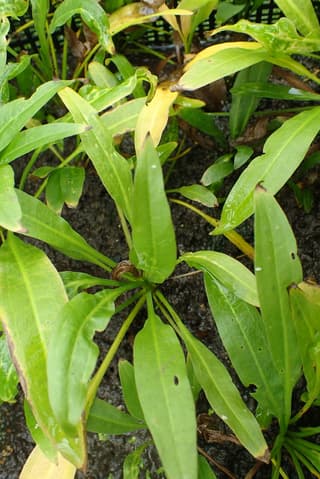
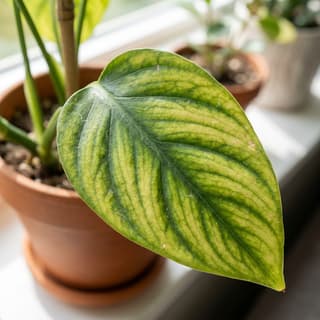
🔍 What Does Nutrient Deficiency Look Like on Amazon Sword?
- • Nitrogen (N): overall yellowing starting from older/lower leaves, progressing upward; slow stunted growth; pale lime-green foliage
- • Phosphorus (P): purple or reddish discoloration on leaf undersides and stems; dull dark-green older leaves; poor root and shoot elongation
- • Potassium (K): brown scorched edges on older leaves (marginal necrosis); weak stems; reduced flowering and fruiting
- • Calcium (Ca): tip burn and distortion on youngest leaves and growing tips; blossom end rot in fruiting plants; stunted new growth
- • Magnesium (Mg): interveinal chlorosis on older leaves (veins stay green while tissue yellows); leaves may curl upward; premature leaf drop
- • Iron (Fe): bright interveinal chlorosis on youngest/newest leaves (veins remain green); severe cases turn leaves nearly white
- • Zinc (Zn): small chlorotic or bronze mottled new leaves; shortened internodes; distorted leaf shape
- • General: stunted overall growth, poor flowering and fruiting, leaf necrosis in advanced cases
❓ What Causes Nutrient Deficiency on Amazon Sword?
- → Depleted or inherently nutrient-poor soil lacking organic matter
- → Incorrect soil pH — acidic pH (<6.0) locks out K, Ca, Mg; alkaline pH (>7.5) locks out Fe, Mn, Zn, B
- → Over-watering or heavy rain leaching mobile nutrients (N, K, Mg) out of root zone
- → Root damage from root rot, pests, physical injury, or waterlogging impairing uptake
- → Imbalanced fertilization creating nutrient antagonism (excess K blocking Mg; excess P blocking Fe/Zn)
- → Using soil-less or heavily peat-based mixes without supplemental feeding
- → Failure to repot container plants depleting limited soil volume
- → Salt buildup in substrate from over-fertilization locking out nutrients via osmotic stress
🛡️ How to Prevent Nutrient Deficiency on Amazon Sword?
TLDR: Prevent Nutrient Deficiency on Amazon Sword with 8 essential preventive care practices.
- ✓ Test soil pH annually and maintain 6.0–6.8 for most plants (or 5.5–6.5 for acid-lovers)
- ✓ Perform soil or tissue tests every 1–2 years to identify deficiencies before symptoms appear
- ✓ Use a balanced fertilizer (NPK + micros) on a consistent schedule during the growing season
- ✓ Incorporate organic matter (compost, aged manure) to improve soil nutrient retention and structure
- ✓ Repot container plants every 1–2 years to refresh growing medium
- ✓ Avoid over-watering to prevent nutrient leaching and root damage
- ✓ Monitor for salt buildup — flush soil periodically with plain water if EC is high
- ✓ Choose fertilizers matched to plant type (e.g., acid fertilizer for ericaceous plants)
🌱 How to Care for Amazon Sword to Prevent Nutrient Deficiency?
💧 How to Water
As a fully submerged plant, it is never watered in the traditional sense: it must remain permanently in water. Perform regular partial water changes (about 20-30% per week) to maintain stable parameters and prevent the buildup of harmful substances that can cause leaf yellowing or rot.
☀️ Lighting
It prefers medium to intense lighting (about 10-12 hours per day) for compact development and a bright green color; however, it also tolerates lower light well, though it will grow more slowly. Excessive lighting without adequate fertilization encourages the appearance of algae on the leaves.
🪴 Ideal Soil
It requires a deep substrate (at least 2.5-3 inches) rich in nutrients, such as a specialized plant substrate covered by coarse sand or fine gravel, to anchor its robust root system. It is essential to plant it with the crown (the point where the roots meet the stem) just above the substrate level: if buried too deeply, the crown will rot.
Frequently asked questions
Can Nutrient Deficiency kill my Amazon Sword?
How long does Amazon Sword take to recover from Nutrient Deficiency?
Is Nutrient Deficiency contagious to other plants near Amazon Sword?
Sources & References
- Amazon Sword (Echinodorus Grisebachii) Care In Aquariums - Modest Fish
- Amazon Sword Plant: Definitive Guide (Care, Planting, Propagation) - Fishkeeping World
- Aquarius grisebachii 'Amazonicus' - Acquariofilia Consapevole
- Amazon Sword Planting Depth - The Secret To Preventing Melt And Crown Rot - AquiFarm
- Amazon Sword Plant Care: Light, Substrate & Growth Guide - Canton Aquatics