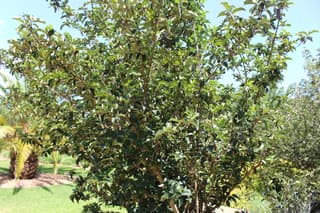
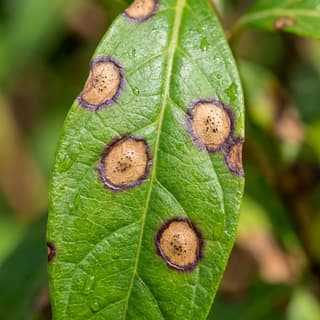
Chinese Snowball Viburnum with Phyllosticta Leaf Spot? Rare but Treatable
Viburnum macrocephalum
Phyllosticta Leaf Spot on Chinese Snowball Viburnum: What to Know?
Phyllosticta Leaf Spot on Chinese Snowball Viburnum (Viburnum macrocephalum) is a fungal condition with moderate severity. Chinese Snowball Viburnum has low susceptibility to this disease. Phyllosticta is a genus of fungi responsible for leaf spot diseases in a wide range of garden and indoor plants. These pathogens thrive in warm, humid conditions, spreading primarily through water spl...
Chinese Snowball Viburnum is a easy-care plant.
Unlike most plants, Chinese Snowball Viburnum has natural resistance to Phyllosticta Leaf Spot. Best treated with preventive measures rather than reactive treatment. Unlike bacterial infections, Phyllosticta Leaf Spot on Chinese Snowball Viburnum can be managed with organic fungicides.
🛡️ How to Prevent Phyllosticta Leaf Spot on Chinese Snowball Viburnum?
TLDR: Prevent Phyllosticta Leaf Spot on Chinese Snowball Viburnum with 7 essential preventive care practices.
- ✓ Quarantine new plants for 2–3 weeks and inspect them regularly for signs of infection.
- ✓ Irrigate early in the day and minimize leaf wetness; avoid frequent, light overhead misting.
- ✓ Ensure adequate plant spacing, perform routine pruning to improve airflow, and keep the area clear of leaf litter.
- ✓ Avoid excessive nitrogen fertilization, which promotes succulent growth that is more susceptible to infection.
- ✓ Select resistant or less-susceptible cultivars whenever possible.
- ✓ Sanitize pots and trays before reuse, and never reuse contaminated potting media.
- ✓ Remove and dispose of fallen leaves and debris during the dormant season to reduce the primary inoculum for the following year.
🌱 How to Care for Chinese Snowball Viburnum to Prevent Phyllosticta Leaf Spot?
💧 How to Water
Water deeply about once a week during the growing season, more often in the first year after planting. Let the top of the soil dry slightly between waterings and avoid letting the roots sit in soggy ground.
☀️ Lighting
Give it at least 6 hours of direct sun for the heaviest flowering, though it tolerates partial shade; too much shade reduces bloom size and increases disease risk.
🪴 Ideal Soil
Plant in fertile, well-drained soil rich in organic matter. It adapts to clay, loam, or sandy soils as long as drainage is good and pH stays slightly acidic to neutral.
Frequently asked questions
Can Phyllosticta Leaf Spot kill my Chinese Snowball Viburnum?
Is Phyllosticta Leaf Spot contagious to other plants near Chinese Snowball Viburnum?
Sources & References
- Viburnum macrocephalum - NC State Extension Gardener Plant Toolbox
- Viburnum Diseases & Insect Pests - Clemson HGIC
- Viburnum macrocephalum (Chinese Snowball Viburnum) - Gardenia.net
- Viburnum macrocephalum - Wikipedia
- Toxic and Non-Toxic Plant List - Cats - ASPCA
- Are Viburnum Poisonous - Plant Addicts