Adoxaceae
Viburnum macrocephalum (Chinese Snowball Viburnum) Care Guide
Viburnum macrocephalum
An easygoing landscape shrub that thrives in full sun to partial shade with moist, well-drained soil. Water regularly while establishing, then only during dry spells. Prune right after flowering and feed once in early spring for the best display of blooms.
Every 7 days
Bright indirect
-20° - 35°C
40% - 70%
Categories
What is Chinese Snowball Viburnum?
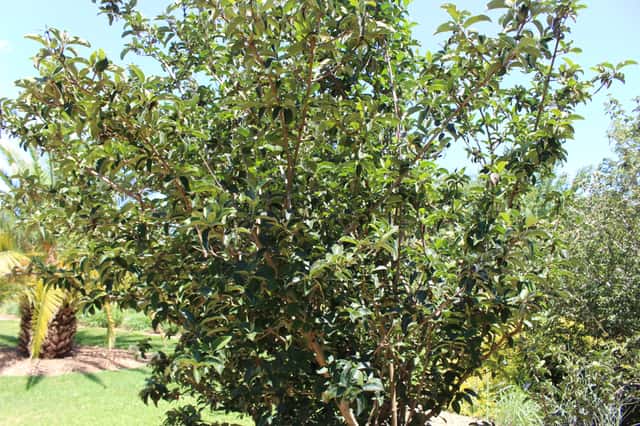
Chinese Snowball Viburnum (Viburnum macrocephalum) is a easy-care plant from the Adoxaceae family. Viburnum macrocephalum, known as the Chinese snowball viburnum, is a rounded, vase-shaped deciduous to semi-evergreen shrub native to mainland China. It is prized for its enormous spherical flower clusters, which open lime-green and mature to pure white, resembling giant snowballs held above dark gr...
Chinese Snowball Viburnum grows up to 4.5m, spread of 400cm, watering every 7 days, -20°C – 35°C, 40–70% humidity. It is not suitable for indoor environments and safe for pets.
Unlike many tropical plants, Chinese Snowball Viburnum tolerates watering mistakes. Best for beginners. Unlike many popular species, Chinese Snowball Viburnum is safe to keep around pets.
How to Care for Chinese Snowball Viburnum?
TLDR: Chinese Snowball Viburnum needs Bright indirect, watering every 7 days, and temperatures between -20-35°C with 40-70% humidity.
How Often Should You Water Chinese Snowball Viburnum?
Water deeply about once a week during the growing season, more often in the first year after planting. Let the top of the soil dry slightly between waterings and avoid letting the roots sit in soggy ground.
How Much Light Does Chinese Snowball Viburnum Need?
Give it at least 6 hours of direct sun for the heaviest flowering, though it tolerates partial shade; too much shade reduces bloom size and increases disease risk.
What Is the Best Soil for Chinese Snowball Viburnum?
Plant in fertile, well-drained soil rich in organic matter. It adapts to clay, loam, or sandy soils as long as drainage is good and pH stays slightly acidic to neutral.
What Pot Should You Use for Chinese Snowball Viburnum?
Best grown in the ground; if containerized, use a large, well-draining pot with a fertile, loam-based mix.
Care Schedule
Fertilize
Every 365 days
What Is Chinese Snowball Viburnum and Where Does It Come From?
Viburnum macrocephalum, known as the Chinese snowball viburnum, is a rounded, vase-shaped deciduous to semi-evergreen shrub native to mainland China. It is prized for its enormous spherical flower clusters, which open lime-green and mature to pure white, resembling giant snowballs held above dark green, serrated leaves.
How to Propagate Chinese Snowball Viburnum?
Softwood stem cuttings
Mist regularly and keep the medium consistently moist but not soggy; bottom heat speeds rooting.
- 1 Take a 10-15 cm softwood cutting from new growth just after flowering
- 2 Strip the lower leaves and dip the cut end in rooting hormone
- 3 Insert into a moist mix of perlite and peat, then cover to keep humidity high
- 4 Keep in bright, indirect light until roots form
Materials needed:
Ground layering
Anchor the buried branch with a stake or stone to keep it in contact with the soil.
- 1 Choose a low, flexible branch and wound the underside where it touches the soil
- 2 Bury that section of the branch a few centimeters deep, leaving the tip exposed
- 3 Keep the buried section consistently moist
- 4 Once roots form, sever from the parent plant and transplant
Materials needed:
How Big Does Chinese Snowball Viburnum Grow?
TLDR: Chinese Snowball Viburnum can reach up to 4.5m tall with Medium growth rate.
Max height
4.5m
Spread
4.0m
Growth rate
Medium
Foliage
Deciduous
Warning: Toxic Plant
This plant can be toxic if ingested. Keep out of reach of:
Plant Uses
Ornamental
Great for decoration
Is your plant showing symptoms?
Click on the symptom to discover possible causes:
What Diseases Commonly Affect Chinese Snowball Viburnum?
TLDR: Chinese Snowball Viburnum is susceptible to 12 known diseases. Monitor regularly for early detection.
Leaf Spot
Leaf spot is a common fungal disease caused by various pathogens including Alternaria, Ascochyta, Colletotrichum, Septoria, and Venturia. It primarily affects leaves, causing discolored spots that can lead to premature leaf drop if left untreated.
Cercospora Leaf Spot
Cercospora is a fungal disease that causes round to oval leaf spots with a light center and a dark border. It thrives on prolonged leaf wetness, dense planting, and warm, stagnant weather. Infestations often begin as small dots on older leaves; the leaves eventually turn yellow and drop off. In gardens, it is commonly seen on beets, Swiss chard, sugar beets, roses, as well as in vegetable patches on tomatoes and eggplants. The infection spreads via rain and irrigation splashes and can survive in infected plant debris.
Phyllosticta Leaf Spot
Phyllosticta is a genus of fungi responsible for leaf spot diseases in a wide range of garden and indoor plants. These pathogens thrive in warm, humid conditions, spreading primarily through water splash and prolonged leaf wetness. Symptoms typically include small, circular lesions that transition from tan or light brown to having distinct dark brown or black margins. As the disease progresses, these spots may coalesce, leading to chlorosis (yellowing) and premature abscission (leaf drop). Characteristic pycnidia—tiny, black, pinhead-sized fruiting bodies—often develop within the lesions. Phyllosticta commonly affects ornamentals like hydrangeas, irises, peonies, lilacs, maples, and roses, as well as citrus and various fruit trees.
Anthracnose
Anthracnose is a fungal disease caused by fungi in the genus Colletotrichum that affects many plants, including vegetables, fruits, and trees. The disease thrives in cool, wet conditions, causing dark, sunken lesions on leaves, stems, flowers, and fruits.
Meaning & Symbolism
Symbolizes purity, renewal, and protection; its snowball-shaped blooms have long been linked to new beginnings in garden folklore.
Fun Facts
The flower clusters can grow nearly basketball-sized, reaching up to 20 cm across.
Its cultivated form is sterile and produces no fruit, since all the flowers are the showy, non-fertile type.
The genus name comes from Latin, and macrocephalum means "large-headed," referring to its oversized flower balls.
Frequently asked questions
How much sun does a Chinese snowball viburnum need?
Is Viburnum macrocephalum toxic to pets?
When should I prune my Chinese snowball viburnum?
Why isn't my Chinese snowball viburnum flowering?
Compare with similar plants
| Attribute | Difficulty | Light | Watering | Pet Safe |
|---|---|---|---|---|
| Field Maple | Easy | Bright indirect | 14d | ✓ |
| Silver Birch | Easy | Direct sun | 14d | ✓ |
| Common Blanketflower | Easy | Direct sun | 10d | ✓ |
| Cushion Bush | Easy | Direct sun | 14d | ✓ |
Choose & Compare
Sources & References
- Viburnum macrocephalum - NC State Extension Gardener Plant Toolbox
- Viburnum Diseases & Insect Pests - Clemson HGIC
- Viburnum macrocephalum (Chinese Snowball Viburnum) - Gardenia.net
- Viburnum macrocephalum - Wikipedia
- Toxic and Non-Toxic Plant List - Cats - ASPCA
- Are Viburnum Poisonous - Plant Addicts





