
Blanket Flower with Phytophthora Blight: Prevention & Cure
Gaillardia x grandiflora
Phytophthora Blight on Blanket Flower: What to Know?
Phytophthora Blight on Blanket Flower (Gaillardia x grandiflora) is a fungal condition with high severity. Blanket Flower has moderate susceptibility to this disease. Devastating fungal disease caused by Phytophthora species (primarily P. capsici and P. infestans), famously responsible for the Irish Potato Famine in the 1840s. Affects all plant parts including root...
Blanket Flower is a easy-care plant. Recovery from Phytophthora Blight takes approximately 14 days with proper treatment.
Unlike bacterial infections, Phytophthora Blight on Blanket Flower can be managed with organic fungicides.
🔍 What Does Phytophthora Blight Look Like on Blanket Flower?
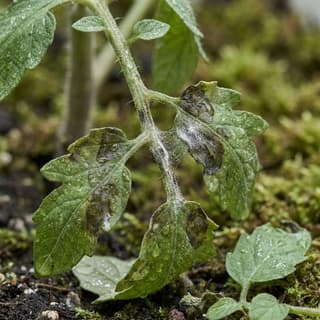
- • Water-soaked lesions on leaves with vague borders and white fluffy fungal growth
- • White powdered sugar-like spores on infected tissue
- • Grey-brown centers with light-green edges on leaves
- • Black, water-soaked roots and crown
- • Elongated brown lesions on stems that encircle the stem
- • Wilting plants that pull easily from soil
- • Soft, water-soaked rot on fruit
- • Bluish lesions on tubers
- • Buckeye rot on tomatoes with concentric target-like pattern
❓ What Causes Phytophthora Blight on Blanket Flower?
- → Warm (75-85°F / 23-29°C) and wet conditions with high soil moisture
- → Free water essential - zoospores swim through water films
- → Saturated, poorly drained soils where water puddles
- → Excessive or overhead irrigation
- → Pathogen overwinters in soil and plant debris for 5+ years
- → Spread via water, wind, rain, and contaminated soil on equipment
- → Presence of oospores (survival structures) in soil
💊 How to Treat Phytophthora Blight on Blanket Flower?
TLDR: Treat Phytophthora Blight on Blanket Flower with quick treatment (~7 days) or organic (~14 days). Blanket Flower has moderate susceptibility to this disease.
Quick Fixes
Immediately apply systemic fungicide (mefenoxam) as soil drench
Spray foliage with phosphonate or fosetyl-Al
Remove visibly infected plants within 24 hours
Cease all irrigation for 3-5 days to dry soil
Repeat fungicide applications every 5-7 days for 3 weeks
Implement drainage system or raised beds
Organic Treatment
Remove and dispose of all infected plants plus 2 feet of neighboring plants
Improve drainage with raised beds 8-12 inches high
Apply copper-based fungicide to remaining plants every 7-10 days
Reduce irrigation frequency and use drip irrigation only
Incorporate well-cured compost into soil for beneficial microbiome
Monitor daily and immediately remove any new infection
🛡️ How to Prevent Phytophthora Blight on Blanket Flower?
TLDR: Prevent Phytophthora Blight on Blanket Flower with 10 essential preventive care practices.
- ✓ Plant in well-drained areas using raised beds
- ✓ Avoid working in wet, compacted soils
- ✓ Rotate for minimum 3 years out of susceptible crops
- ✓ Use well water rather than surface water for irrigation
- ✓ Clean equipment thoroughly to remove soil
- ✓ Scout low-lying areas where water accumulates
- ✓ Choose resistant cultivars when available
- ✓ Ensure adequate air circulation for rapid drying
- ✓ Avoid over-irrigation and overhead watering
- ✓ Disinfect recirculating nutrient solutions
🌱 How to Care for Blanket Flower to Prevent Phytophthora Blight?
💧 How to Water
Water every 7-14 days, allowing the soil to dry out completely between waterings. Blanket flower is very drought-tolerant and is more likely to suffer from overwatering than underwatering. During heavy rains, ensure the soil drains well to prevent root rot.
☀️ Lighting
Plant in full sun with at least 6-8 hours of direct sunlight per day. The more sun it receives, the more abundantly it will flower. In partial shade, the plant grows but produces significantly fewer blooms.
🪴 Ideal Soil
Prefers well-drained, sandy, or even poor soils. Avoid heavy clay or waterlogged soils. Does not require rich or amended soil — in overly fertile ground, it tends to produce lush foliage with fewer flowers.
Frequently asked questions
Can Phytophthora Blight kill my Blanket Flower?
How long does Blanket Flower take to recover from Phytophthora Blight?
Is Phytophthora Blight contagious to other plants near Blanket Flower?
Sources & References
- Managing phytophthora on farms | UMN Extension
- Phytophthora blight - Prevention, Control and Damage
- Diagnosis and Management of Phytophthora Diseases
- How to Grow Gaillardia (Blanket Flower) | Gardener's Path
- Gaillardia x grandiflora (Blanket Flower) | NC Extension Gardener Plant Toolbox
- Blanket Flowers: Planting, Growing, and Caring for Gaillardia | Almanac.com
- Gaillardia Diseases | Penn State Extension
- Blanket flower, Gaillardia spp. – Wisconsin Horticulture