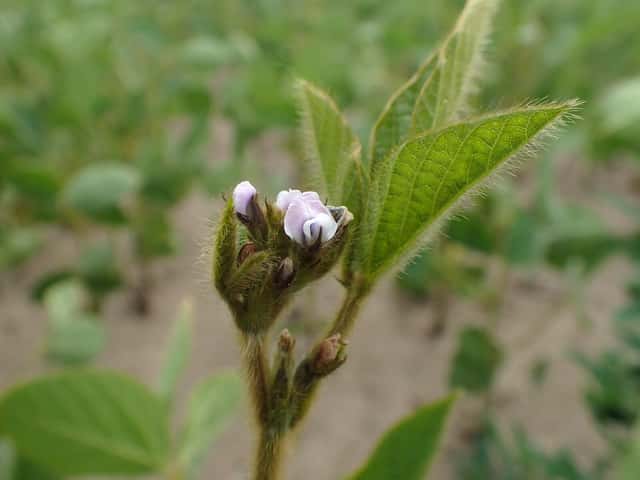
Fabaceae
Soybean: Edible Plant
Glycine max
Soybeans require full sun and well-drained soils. They are sensitive to waterlogging and need sufficient soil moisture during the growing season. Crop rotation is important for pest control and soil fertility. Sowing should only occur after the last frost when the soil temperature is at least 10°C (50°F).
Every 7-10 days
Direct sun
10° - 30°C
% - %
Categories
What is Soybean?
Soybean (Glycine max) is a medium-care plant from the Fabaceae family. An annual legume from the Fabaceae family. Glycine max is a photoperiod-sensitive short-day plant cultivated worldwide in temperate to subtropical climates. The plant forms nitrogen-fixing root nodules, enabling sustainable soil use. It produces seeds rich in protein and oil, which are of great econ...
Soybean grows up to 1.3m, spread of 20cm, 10°C – 30°C. It is not suitable for indoor environments and safe for pets.
Unlike many popular species, Soybean is safe to keep around pets.
How to Care for Soybean?
TLDR: Soybean needs Direct sun, watering every 7 days, and temperatures between 10-30°C with 40-70% humidity.
How Often Should You Water Soybean?
Consistent soil moisture is crucial during the growing season. Short-term wetness is tolerated, but prolonged waterlogging leads to root rot. Adjust irrigation based on weather conditions and soil type.
How Much Light Does Soybean Need?
Soybeans need full direct sun (at least 6-8 hours daily). As a short-day plant, flowering is promoted by shorter day lengths; long days delay it.
What Is the Best Soil for Soybean?
Loose, nutrient-rich loamy soils with a pH of 6.0-7.5 and good drainage are ideal. Compacted or poorly drained soils encourage diseases.
What Pot Should You Use for Soybean?
Not suitable for container gardening. Soybeans are field crops and require large-scale cultivation with sufficient soil depth.
Care Schedule
Fertilize
Every 365 days
Rotate
Every 365 days
What Is Soybean and Where Does It Come From?
An annual legume from the Fabaceae family. Glycine max is a photoperiod-sensitive short-day plant cultivated worldwide in temperate to subtropical climates. The plant forms nitrogen-fixing root nodules, enabling sustainable soil use. It produces seeds rich in protein and oil, which are of great economic importance.
How Big Does Soybean Grow?
TLDR: Soybean can reach up to 1.3m tall with Medium growth rate.
Max height
1.3m
Spread
20cm
Growth rate
Medium
Foliage
Deciduous
Plant Uses
Edible
Can be consumed
Culinary Uses
- Soybean oil (cooking oil)
- Tofu
- Soy milk
- Soy sauce
- Edamame (young green pods)
- Soy flour and soy protein
Is your plant showing symptoms?
Click on the symptom to discover possible causes:
What Diseases Commonly Affect Soybean?
TLDR: Soybean is susceptible to 19 known diseases. Monitor regularly for early detection.
Pythium Root Rot
Pythium root rot is a serious fungal disease caused by various Pythium species including P. aphanidermatum, P. ultimum, and P. irregulare. These water molds are present in practically all cultivated soils and attack plant roots under wet conditions, causing rapid wet rot that can extend into the stem. The disease is favored by poor drainage, overwatering, and specific temperatures depending on the species.
Phytophthora Root Rot
Disease caused by fungus-like organisms (oomycetes) that live in soil and can survive for years. It affects roots, stem, and crown of plants, being especially severe in waterlogged or poorly drained soils. It is the second most common cause of root rot in trees and shrubs.
Fusarium Wilt
Fusarium wilt is a serious fungal disease caused by the soil-borne fungus Fusarium oxysporum. The fungus invades roots and blocks the water-conducting vessels (xylem) of the plant, causing progressive wilting and eventual death. Host-specific forms of the pathogen exist that attack different plant species.
Rust
Rust is a common fungal disease caused by fungi in the order Pucciniales that affects a wide variety of plants. The disease gets its name from the characteristic orange, yellow, or reddish-brown pustules that appear on leaves, resembling metal rust. This obligate fungal parasite requires living plants to survive and can cause significant economic losses in agricultural crops.
Compare with similar plants
| Attribute | Difficulty | Light | Watering | Pet Safe |
|---|---|---|---|---|
| Dark Fieldcap | Medium | Low light | 2d | ⚠️ |
| Azalea | Medium | Partial shade | 3d | ⚠️ |
| Muriel's Bamboo | Medium | Partial shade | 3d | ✓ |
| Bougainvillea | Medium | Direct sun | 7d | ⚠️ |




