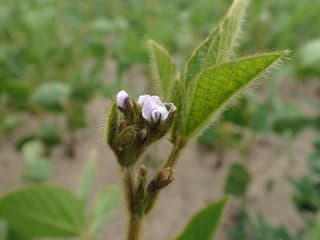
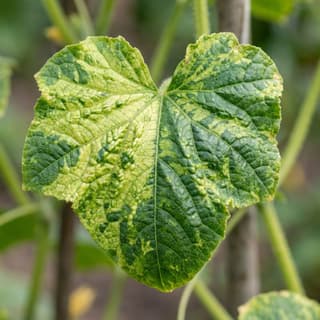
Soybean with Mosaic Virus: Prevention & Cure
Glycine max
Mosaic Virus on Soybean: What to Know?
Mosaic Virus on Soybean (Glycine max) is a other condition with moderate severity. Soybean has moderate susceptibility to this disease. Potyviruses (family Potyviridae, genus Potyvirus) are plant viruses transmitted primarily by aphids during feeding and mechanically through sap. They cause mosaic patterns (light and dark patches) on...
Soybean is a medium-care plant.
🛡️ How to Prevent Mosaic Virus on Soybean?
TLDR: Prevent Mosaic Virus on Soybean with 7 essential preventive care practices.
- ✓ Purchase certified or high-quality seeds, seed potatoes, bulbs, and scions.
- ✓ Choose tolerant or resistant varieties, such as potatoes resistant to Virus Y, cucurbit varieties resistant to Zucchini yellow mosaic virus, and brassicas with resistance to Turnip mosaic virus.
- ✓ Monitor and control aphids early in the season using row covers (agrofibre) and reflective mulches.
- ✓ Maintain good hygiene and avoid handling plants when they are wet.
- ✓ Regularly weed beds and borders, removing host plants and volunteers (self-sown plants).
- ✓ Do not move seedlings between plots without ensuring they are healthy.
- ✓ Plan crop rotation and avoid planting the same plant groups in the same location every year; maintain good growing conditions by providing adequate water, ventilation, and fertilization to reduce stress and susceptibility.
🌱 How to Care for Soybean to Prevent Mosaic Virus?
💧 How to Water
Consistent soil moisture is crucial during the growing season. Short-term wetness is tolerated, but prolonged waterlogging leads to root rot. Adjust irrigation based on weather conditions and soil type.
☀️ Lighting
Soybeans need full direct sun (at least 6-8 hours daily). As a short-day plant, flowering is promoted by shorter day lengths; long days delay it.
🪴 Ideal Soil
Loose, nutrient-rich loamy soils with a pH of 6.0-7.5 and good drainage are ideal. Compacted or poorly drained soils encourage diseases.