Giant Horsetail Prone to Underwatering: How to Protect
Equisetum giganteum
Underwatering on Giant Horsetail: What to Know?
Underwatering on Giant Horsetail (Equisetum giganteum) is a environmental condition with moderate severity. Giant Horsetail has high susceptibility to this disease. Water deficiency occurs when a plant cannot absorb enough moisture to meet its transpiration and metabolic demands. Also known as drought stress or underwatering, this condition deprives cells of turg...
Giant Horsetail is a easy-care plant. Recovery from Underwatering takes approximately 7 days with proper treatment.
Giant Horsetail is highly susceptible to Underwatering, unlike most plants in the same family. Without early intervention, recovery takes 11 days instead of 7 days.
🔍 What Does Underwatering Look Like on Giant Horsetail?
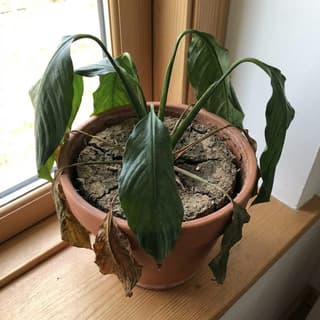
- • Wilting or drooping stems and leaves that feel limp
- • Leaf edges and tips turning brown and crispy
- • Leaves curling inward to reduce surface area and conserve moisture
- • Dry, pulling-away-from-pot-edges soil
- • Yellowing older leaves followed by premature leaf drop
- • Flower buds dropping before opening
- • Stunted or halted new growth
- • Lightweight pot compared to when freshly watered
❓ What Causes Underwatering on Giant Horsetail?
- → Infrequent or forgotten watering
- → Pot too small for the root system, drying out too quickly
- → Fast-draining or sandy soil with low water-retention capacity
- → High temperatures, low humidity, or strong airflow increasing transpiration
- → Root-bound plants unable to retain sufficient moisture
- → Seasonal heat spikes not compensated with extra watering
🛡️ How to Prevent Underwatering on Giant Horsetail?
TLDR: Prevent Underwatering on Giant Horsetail with 6 essential preventive care practices.
- ✓ Establish a consistent watering schedule matched to the season (more frequent in summer)
- ✓ Use a moisture meter or finger-test (insert 2 cm into soil) before watering
- ✓ Add organic mulch (2–4 cm layer) on top of soil to slow evaporation
- ✓ Use self-watering pots with built-in reservoirs for forgetful owners
- ✓ Upgrade to a substrate with added perlite, coco coir, or compost to improve moisture retention
- ✓ Group plants together to raise ambient humidity and slow drying
🌱 How to Care for Giant Horsetail to Prevent Underwatering?
💧 How to Water
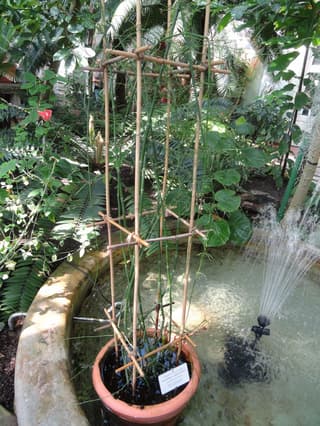
Never let it dry out. In a pot, keep the mix soaking wet with the pot standing in a saucer or tray of water, and check every 1-2 days in hot weather. It can also sit with its base submerged at the edge of a pond.
☀️ Lighting
Full sun to part shade. More sun gives firmer, greener stems.
🪴 Ideal Soil
Any soil that stays moist or wet works: bog mud, garden soil with compost or aquatic plant compost. Constant water matters more than soil type.
Frequently asked questions
Can Underwatering kill my Giant Horsetail?
How long does Giant Horsetail take to recover from Underwatering?
Is Underwatering contagious to other plants near Giant Horsetail?
Sources & References
- Wikipedia - Equisetum giganteum
- Plant Delights Nursery - Equisetum giganteum 'El Tabacal'
- PMC review - Equisetum species: traditional uses, phytochemistry and pharmacology
- Easyscape - Southern Giant Horsetail (search snippet)
- Royal Botanic Garden Edinburgh - Equisetum myriochaetum care notes (close relative, search snippet)