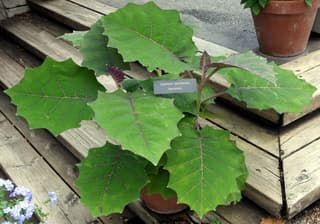
Naranjilla with Yellow Leaves: Causes & Solutions
Solanum quitoense
Naranjilla is a plant that needs indirect light and frequent watering. When showing yellow leaves, it may indicate issues related to its environment or care.
Is your Naranjilla showing yellow leaves? Discover 4 possible causes and how to treat them.
🔍 Possible Causes (4)
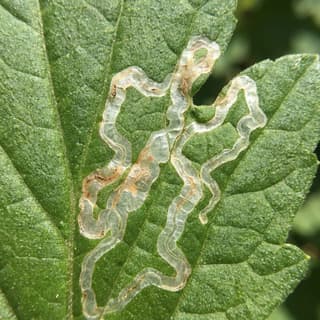
Leafminers
Leafminers are the larvae of various insects including flies, moths, sawflies, and beetles that tunnel between leaf surfaces, creating distinctive serpentine trails or blotchy patches. While primarily cosmetic, severe infestations can weaken plants by reducing photosynthesis capacity and making them susceptible to secondary infections.
✓ Related symptoms:
- • Winding white, yellow or translucent trails on leaves
- • Leaf yellowing and premature drop
⚡ Quick Fixes:
Step 1
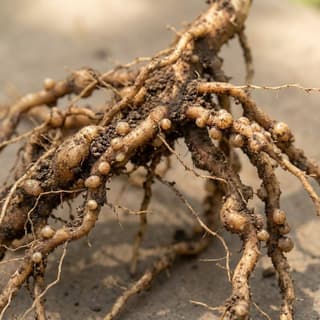
Root-Knot Nematodes
Root-knot nematodes (Meloidogyne species) are microscopic roundworms that parasitize plant roots, causing characteristic galls or knots. These soil-borne pests are among the most economically damaging plant pathogens worldwide, affecting a wide range of ornamental and edible plants. The nematodes inject enzymes into root cells, causing abnormal swelling and disrupting water and nutrient uptake.
✓ Related symptoms:
- • Yellowing of leaves (chlorosis), especially lower leaves
⚡ Quick Fixes:
Step 1
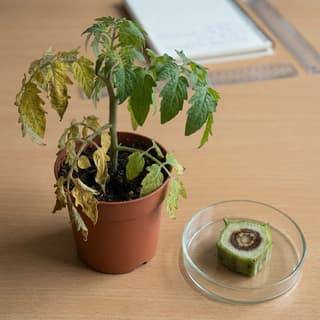
Fusarium Wilt
Fusarium wilt is a serious fungal disease caused by the soil-borne fungus Fusarium oxysporum. The fungus invades roots and blocks the water-conducting vessels (xylem) of the plant, causing progressive wilting and eventual death. Host-specific forms of the pathogen exist that attack different plant species.
✓ Related symptoms:
- • Asymmetrical yellowing of leaves (one side of plant or leaflets)
- • Pale green to golden yellow foliage
⚡ Quick Fixes:
Remove Plant
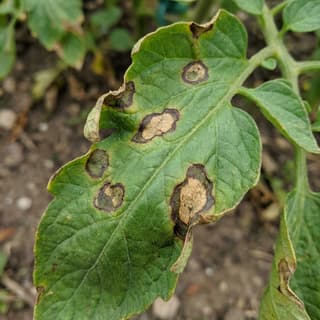
Anthracnose
Anthracnose is a fungal disease caused by fungi in the genus Colletotrichum that affects many plants, including vegetables, fruits, and trees. The disease thrives in cool, wet conditions, causing dark, sunken lesions on leaves, stems, flowers, and fruits.
✓ Related symptoms:
- • Small irregular yellow or brown spots on leaves
⚡ Quick Fixes:
Remove and discard all visibly infected parts