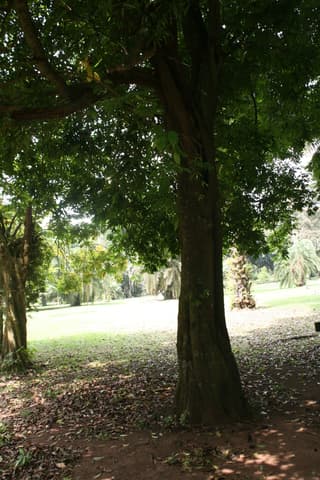
Wallaba with Falling Leaves: Pet-Safe Treatment
Eperua falcata
Wallaba is a plant that needs bright light and moderate watering. When showing falling leaves, it may indicate issues related to its environment or care.
Is your Wallaba showing falling leaves? Discover 2 possible causes and how to treat them.
🔍 Possible Causes (2)
Insect herbivory
Insect herbivory occurs when various pests like caterpillars, beetles, or grasshoppers feed on plant tissues. This damage reduces the plant's ability to photosynthesize and can introduce secondary infections. If left unchecked, it can lead to total defoliation and plant death.
✓ Related symptoms:
- • Small black or green droppings on leaves
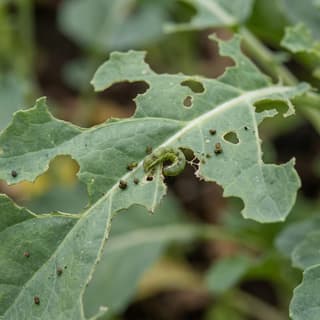
Caterpillars
Caterpillars are the larval stage of moths and butterflies that feed voraciously on plant foliage, stems, flowers, and fruits. Common species include cabbage loopers, tomato hornworms, armyworms, and cutworms. These pests can cause extensive damage by consuming large amounts of plant tissue in a short time. They vary in size from small (1/4 inch) to large (5 inches), with colors ranging from green to brown, often featuring stripes or spots. Caterpillars are highly mobile and can quickly spread throughout gardens, making them one of the most destructive common pests.
✓ Related symptoms:
- • Dark cylindrical droppings (frass) on leaves and soil
⚡ Quick Fixes:
Step 1