How to Care for an Inch Plant (Tradescantia zebrina): Light, Water, Pruning
An inch plant fades and loses its lower leaves when the light is wrong, both in a dim corner and in harsh afternoon sun. See where to place it, when to water, and how to make it full again with its own stem tips.
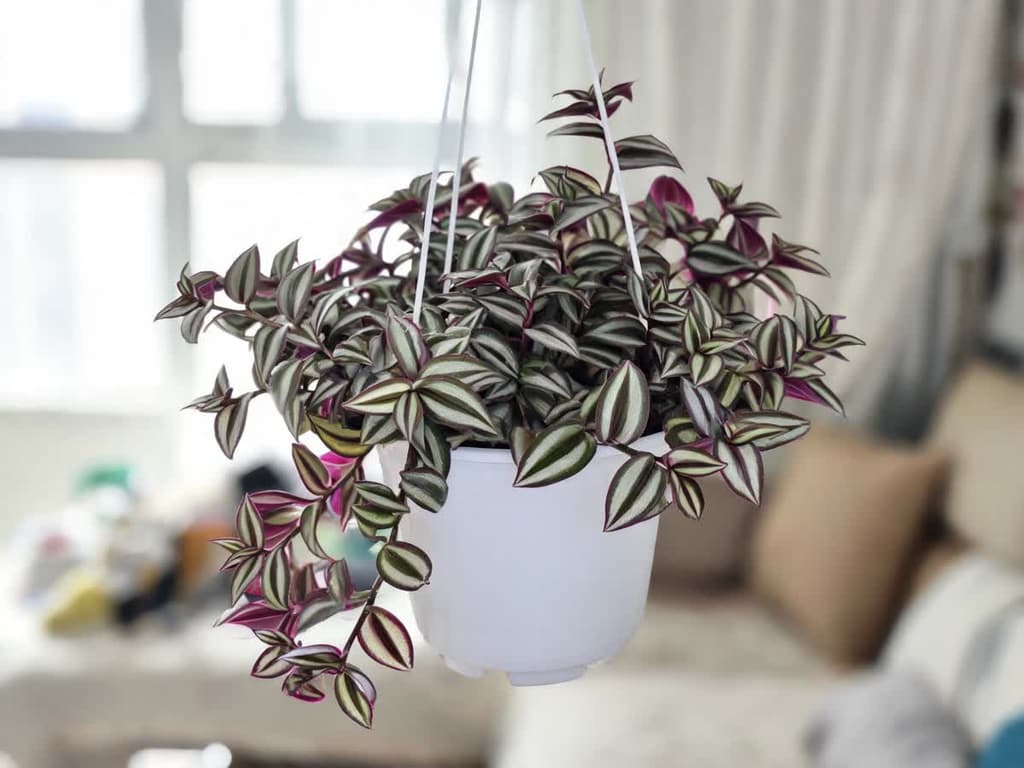
To care for Tradescantia zebrina, get the light right first: filtered sunlight or morning sun only. Water when the top 2 to 3 cm of soil is dry. Prune long stems and replant the tips directly back into the same pot.
NC State notes that Tradescantia zebrina tolerates a wide range of conditions, so the wrong light rarely kills the plant. It turns unsightly: the silver and purple stripes fade, the stems stretch out, and the base of the plant becomes bare. Both NC State and the University of Wisconsin–Madison record this fading at both extremes: in a dark corner and in the harsh sun of a warm climate (NC State Extension, UW–Madison Extension).
Quick summary:
In low light, stems drop their lower leaves, and the remaining leaves lose their color. In warm climates, harsh direct sun also bleaches out the stripes.
Water when the top 2 to 3 cm of soil dries out, and cut back on watering in winter. A pot without drainage holes leaves the soil waterlogged, and waterlogged soil rots both roots and stems.
A plant that has gone bare at the base cannot be fixed with fertilizer. Cut back the leggy stems and plant the tips right back into the same pot.
Every stem piece with a node, the point where a leaf emerges, grows into a new plant in water or moist soil without any rooting hormone.
NC State lists Tradescantia zebrina as toxic to dogs and cats: the sap causes skin irritation, and ingesting the plant upsets the mouth and stomach.
What it needs | Tradescantia (Tradescantia zebrina) |
|---|---|
Light | filtered sunlight or morning sun; avoid dark corners and harsh afternoon sun |
Watering | when the top 2 to 3 cm of soil is dry; less in winter |
Temperature | 18 to 24 °C (65 to 75 °F); provide shelter below 10 °C |
Fertilizer | balanced liquid fertilizer once a month, only during active growth |
Pets | irritates the skin, mouth, and stomach of dogs and cats (NC State) |
Growth habit | fast-growing trailing stems |
Which tradescantia do you have?
Tradescantia is a genus with several species sold in Brazil, and they do not require the same light. This guide covers the wandering dude, Tradescantia zebrina: pointed leaves with two wide silver stripes on top and purple-magenta undersides. The stems have nodes about 2.5 cm (1 inch) apart, which is where the English name "inch plant" comes from (NC State Extension).
The other three most common species are easily distinguished by leaf color:
Purple heart (*Tradescantia pallida*): solid purple leaf, no stripes. Requires more sun than inch plant. NC State notes that full sun gives the best color and that shade leaves foliage greenish (NC State Extension).
Small-leaf spiderwort (*Tradescantia fluminensis*): smooth green leaf, white flower. It likes bright indirect light and needs protection from the afternoon sun (NC State Extension).
Moses-in-the-cradle (*Tradescantia spathacea*): long rosette leaves, green on top and purple underneath. In low light, it stretches out and the purple turns back to green (NC State Extension).
If your plant's leaves lack silver stripes, it is a different species, and the light recommendations in this guide do not apply to it.
How much light does Tradescantia zebrina need?
Tradescantia zebrina needs filtered sun: bright light that reaches the leaf through a sheer curtain, or direct sun only during the first hours of the morning. NC State summarizes it this way: the plant does best in "filtered sun" (NC State Extension).
Color fades at both light extremes. The University of Wisconsin–Madison notes that color is strongest in full sun in the northern United States. In warmer regions, "too much sun will cause the colors to wash out": too much sun washes out the colors (Wisconsin Horticulture, UW–Madison Extension). On the same page, in low light the stems lose their lower leaves and the leaves lose much of their color.
Most of Brazil has a warm climate, so the rules for warmer regions apply. Here is where to place your plant based on window exposure:
East-facing window: morning sun. This is the best location, up to 1 m from the glass.
North-facing window: in the Southern Hemisphere, this receives direct sun for the most hours of the day. Use a sheer curtain or move the pot 1 to 2 m away from the glass.
West-facing window: catches afternoon sun, the hottest of the day. Use a sheer curtain.
South-facing window: receives almost no direct sun in Brazil. It works if the pot stays right against the glass.
Corner without a view of the sky: the plant will survive, but it will turn entirely green, stretch out, and drop its lower leaves.
The two types of fading look quite different. In a dark corner, new leaves emerge smaller, greener, and spaced farther apart along the stem. Under harsh sun, foliage turns washed out, almost white, and can develop dry brown scorch marks where the sun hit directly.
Why Tradescantia zebrina gets leggy and bare at the base, and how to fix it
Tradescantia zebrina gets bare at the base for two compounding reasons: low light and old stems. With low light, stems lose their lower leaves first (NC State Extension). Without pruning, the stem keeps growing from the tip, and the bare section near the soil only gets longer.
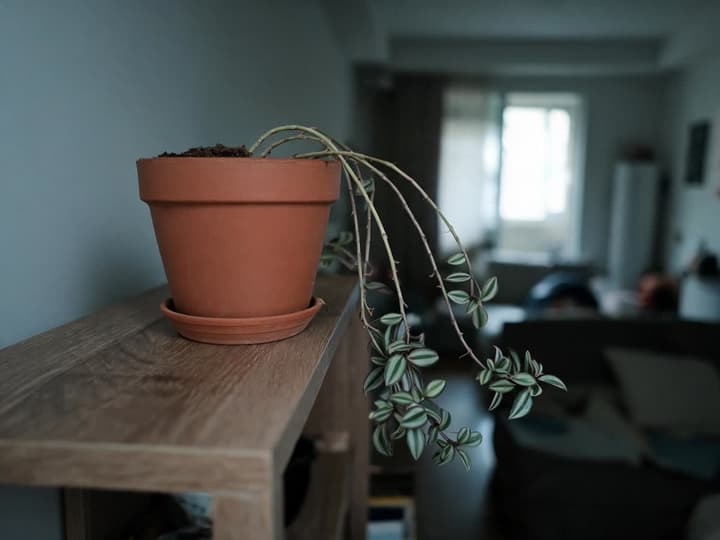
That is why fertilizer and more water will not bring leaves back to a bare stem. What works is renewing the pot with the plant's own stem tips. The UW–Madison Extension recommends pinching the stems back whenever needed or renewing the pot by planting new cuttings directly into it from time to time (Wisconsin Horticulture).
Follow these steps, ideally in spring, between September and November:
Cut the bare stems 3 to 5 cm from the soil with clean shears. NC State notes that inch plant tolerates hard pruning every spring (NC State Extension).
From the trimmings, select healthy 10 to 15 cm cuttings with firm, vibrant leaves.
Strip off the leaves from the bottom 2 nodes on each cutting.
Insert the cuttings into the same pot with the 2 bare nodes buried in the soil, spacing them out between the old cut stems.
Keep the soil moist without overwatering, and place the pot in filtered sunlight.
The stem of the wandering dude branches and roots at the nodes (Wisconsin Horticulture), so the cut stems sprout again and the tips root directly in the pot's soil. If you keep the pot in the same dark corner, the plant will become leggy again. Pruning only lasts if you fix the light.
To keep the plant full between renewals, pinch the tip of each stem with your fingers whenever it grows a few centimeters. The same extension notes that pinching the tips makes the foliage denser (Wisconsin Horticulture).
How to water Tradescantia zebrina
Water your inchplant when the top 2 to 3 cm of soil is dry to the touch, until water drains from the hole in the pot. NC State advises watering regularly, letting the soil dry out between waterings, and reducing watering in the winter (NC State Extension).
There is no single schedule that works for every home. In summer, a hanging basket placed near a window can dry out within 4 to 5 days. In winter, the same pot might take 10 days or longer. Check the soil with your finger before every watering.
The Tradescantia zebrina profile in Bloom gathers all care figures for this species in one place:
Three rules prevent soggy, waterlogged soil:
A pot with drainage holes. Without holes, excess water pools at the bottom of the soil mix.
Empty saucers and cachepots. Empty out any water sitting in the saucer or outer decorative pot 15 minutes after watering.
Dry leaves on top. NC State links leaf spot and other fungi to wet leaves during watering and overcrowded pots (NC State Extension). Water the soil, not the leaves.
Tradescantia zebrina tolerates average home humidity, according to that same NC State plant profile. Misting the foliage with water is completely unnecessary.
Mushy, rotting stems at the soil line: how to save your plant
A Tradescantia zebrina with a rotting stem is saved through the tips. A soft, dark, rotting stem right at the soil line is stem rot. NC State notes that root rot and stem rot occur in waterlogged soil (NC State Extension).
Soil can remain waterlogged even with infrequent watering. Three situations cause this: a pot with no drainage holes, water pooled inside a cachepot, and dense soil that refuses to dry during cold weather. Under these conditions, pouring a glass of water every few days is enough to keep the base continuously wet.
To save your plant:
Snip off healthy tips that are 10 to 15 cm long and free of any dark or mushy sections.
Root these tip cuttings in water or fresh, moist potting mix (see the next section).
Discard the rotted base and old potting soil. Thoroughly wash the pot before reusing it.
Plant the rooted cuttings into a pot with drainage holes and a well-aerated potting mix.
How to propagate Tradescantia zebrina
Any piece of wandering dude stem with at least one node can become a new plant. The stems break easily at the nodes, and each piece roots easily in water or moist soil, without rooting hormone (Wisconsin Horticulture, UW–Madison Extension). The stem that broke in the hanging basket is not trash.
In water: remove the lower leaves and submerge 1 or 2 nodes in a glass of water. Change the water every 3 to 4 days. Pot the cuttings into soil once the roots reach about 2 to 3 cm.
Directly in soil: push 2 bare nodes into moist potting mix, either in the mother plant's pot or in a new container.
For a bushy pot, plant 4 to 6 cuttings together rather than just one. Several cuttings rooting simultaneously will cover the soil surface much faster than a single stem.
On Tradescantia zebrina, roots develop from any stem node. Not all plants propagate this way. A watermelon peperomia cutting grows from a single leaf with its stem buried. In contrast, a wax plant cutting requires a stem section with 2 nodes and takes much longer to produce new growth.
Soil, pots, fertilizer, and temperature for Tradescantia zebrina
Soil: use a well-draining, lightweight potting mix formulated for houseplants. Heavy garden soil compacts and retains far too much water inside a container.
Pots: choose any pot with a drainage hole at the bottom. A hanging basket highlights the cascading stems, but dries out faster than a pot resting on a tabletop. The trailing houseplant guide explains why hanging baskets dry out quicker than regular containers.
Fertilizer: the RHS, the United Kingdom's horticultural society, recommends a balanced liquid fertilizer once a month while the plant is growing. In winter, water sparingly (RHS). Do not fertilize a leggy plant expecting the base to grow leaves again.
Temperature: NC State notes that Tradescantia zebrina thrives between 18 and 24 °C (65 to 75 °F). The RHS classifies it as a plant that needs protection below 10 °C. On chilly nights, move the pot away from cold window glass.
Is Tradescantia zebrina toxic to cats and dogs?
Yes, wandering dude is toxic to cats and dogs, with low toxicity. NC State classifies Tradescantia zebrina as harmful to dogs and cats. Eating the plant causes irritation to the mouth and stomach. Contact with the sap causes redness and skin irritation (NC State Extension).
The ASPCA, the animal poison control center in the United States, does not have a dedicated entry for Tradescantia zebrina. The entry listed there is for its relative Tradescantia fluminensis, under the name "Inch Plant". It is toxic to dogs, cats, and horses, with dermatitis as a clinical sign (ASPCA). The RHS lists the plant as a skin allergen and recommends gloves when handling it (RHS).
Wear gloves while pruning because sap weeps readily from cut stems. Simply hanging the basket high up does not solve every pet risk, as trailing vines eventually hang down into a cat's reach.
Do not discard inchplant scraps in woods or empty lots
Lambari is classified as a high-risk invasive alien species in Brazil. The risk analysis from the Hórus Institute notes that Tradescantia zebrina invades regenerating forests and degraded areas. The same document lists yard waste as one of the pathways through which stem fragments spread (Hórus Institute).
Dispose of pruning trimmings you do not plan to propagate in the regular household trash, sealed inside a bag. Do not discard stems in outdoor beds, woods, or empty lots, where any stem node can easily root.
What your Tradescantia zebrina is telling you
What you see | Most likely cause | What to do |
|---|---|---|
New leaves smaller, greener, and spaced further apart on the stem | insufficient light | move the pot closer to an east-facing window |
Pale, almost white foliage with dry brown spots | harsh afternoon sun | hang a sheer curtain or move the pot away from the glass |
Stems bare near the soil, leaves clustered only at the tips | low light combined with stem age | prune in spring and replant cuttings into the same pot |
Mushy, dark stem right at the soil line | waterlogged soil | salvage firm tip cuttings and throw away the rotted base |
Lower leaves turning yellow with wet potting mix | overwatering | wait for the top 2 to 3 cm of soil to dry out before watering again |
Dry, curled leaves with hard, dry soil | underwatering | water thoroughly until liquid flows out of the drainage hole |
Fine webbing and tiny pale specks on leaves | spider mites | wash the foliage clean and isolate the pot |
Yellow leaves have more than one possible cause, and the yellow leaves guide separates overwatering, nutrient deficiency, and pests by the location and pattern of the yellowing. NC State lists aphids, mealybugs, scale insects, whiteflies, and spider mites as the pests to watch for on inch plant (NC State Extension).
For spots, insects, or rot not covered in the table, our plant troubleshooting guide diagnoses the issue in three quick questions. To compare visually, Bloom analyzes a photo of your leaf and pinpoints the likely pest or disease. Photo diagnosis requires the Premium subscription, and the app is currently available exclusively for iPhone.
Frequently asked questions
Where should I place Tradescantia zebrina indoors?
Place Tradescantia zebrina up to 1 m from an east-facing window where it can enjoy gentle morning sun. A north-facing or west-facing window works just as well if shielded with a sheer curtain to block intense direct sun. In a dark corner, the stems stretch out, drop their bottom leaves, and lose their vibrant color.
How often should I water Tradescantia zebrina?
Water Tradescantia zebrina whenever the top 2 to 3 cm of potting mix feels dry, pouring until water runs out the drainage hole. During summer, a hanging basket set near a window can dry out completely in 4 to 5 days. During winter, that interval can stretch beyond 10 days. Always feel the soil with your finger before watering.
How can I make Tradescantia zebrina bushier?
In spring, prune back long, bare stems to 3 or 5 cm above the soil surface. Stick 4 to 6 cuttings, each 10 to 15 cm long, back into the same pot with 2 nodes buried. Between major prunings, pinch back the tips of the stems regularly. Keep the container in filtered sunlight, or the plant will quickly turn leggy again.
How long does a Tradescantia zebrina plant live?
Tradescantia zebrina is a perennial plant with no predetermined lifespan. What ages is the individual stem: over time, the base sheds leaves and growth remains only at the tips. Constantly renewing the pot using its own stem tips will keep the very same plant lush indefinitely.
What kills Tradescantia zebrina?
The primary cause of death for Tradescantia zebrina is waterlogged soil, which rots the roots and stems at the soil level. Pots lacking drainage holes and water left sitting in decorative cachepots trigger root rot even with infrequent watering. Temperatures dipping below 10 °C also cause severe damage. Low light makes the plant leggy and dull, but rarely kills it.
Where to start today
Take a close look at where your Tradescantia zebrina is sitting right now. If it sits tucked in a dim corner away from window light or directly under harsh afternoon sun, relocate the pot. If the base of your plant has already gone bare, gather 4 to 6 tip cuttings next spring and replant them right back into the pot.
Related articles
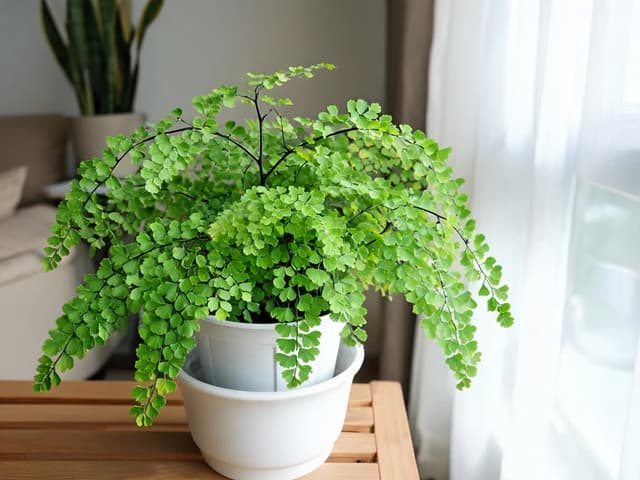
How to Care for a Maidenhair Fern: Light, Water, and Revival Tips
Learn how to care for a maidenhair fern indoors: bright indirect light, consistently moist soil, high humidity, and how to revive it if it dries out completely.
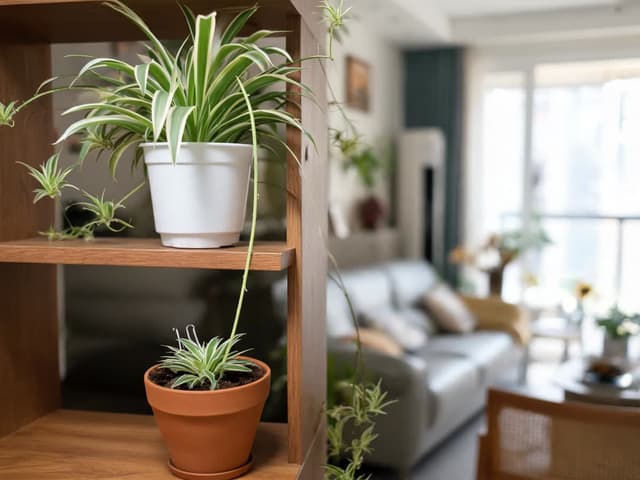
How to Propagate Spider Plants: Root the Pup Before Cutting
The safest spider plant cutting comes from a pup still attached to the mother plant: rest the plantlet on soil in a small pot, wait for roots to establish, and only then cut the stolon. Learn when the pup is ready, whether rooting in water is worth it, how to divide the clump, and why plants fail to produce babies.
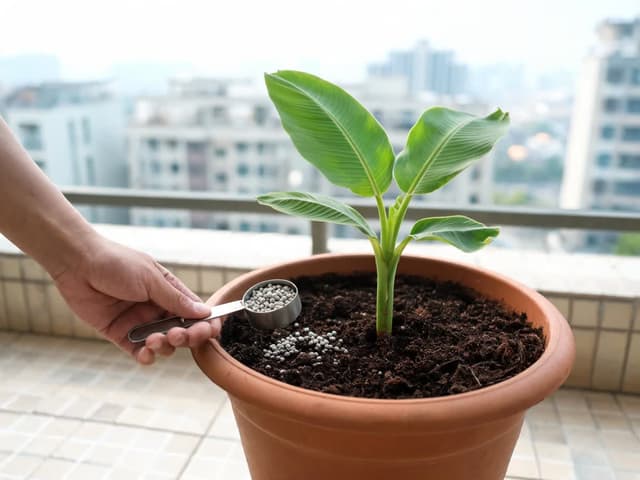
Banana plant fertilizer: fertilizing potted and backyard plants
Banana plant fertilizer needs more potassium than nitrogen, in a 3-1-6 ratio. For a potted plant on a balcony, use the label dose in spring and summer. In the backyard, fertilize every 2 months, adjusting the amount by mat age. Learn the formula, timing in Brazil, and signs of deficiency or excess.