Lecythidaceae
Cannonball Tree (Couroupita guianensis): The Spectacular Flowering Giant
Couroupita guianensis
The Cannonball Tree requires full sun and fertile, well-drained soil. Regular watering during the growing season and full frost protection are essential. This is a large specimen tree suitable exclusively for outdoor spaces in tropical and subtropical climates.
Every 7 days
Direct sun
15° - 35°C
60% - 90%
Categories
What is Cannonball Tree?
Cannonball Tree (Couroupita guianensis) is a medium-care plant from the Lecythidaceae family. The Cannonball Tree (Couroupita guianensis) is a majestic tropical tree native to South America, belonging to the family Lecythidaceae. It is renowned worldwide for its spectacular cauliflorous blooms — rose-pink to red fragrant flowers that grow directly from the trunk — and for its large, spherica...
Cannonball Tree grows up to 30.0m, with spread of 1800cm, watering every 7 days, 15°C – 35°C, 60–90% humidity. It is not suitable for indoor environments and safe for pets.
Unlike many popular species, Cannonball Tree is safe to keep around pets.
How to Care for Cannonball Tree?
TLDR: Cannonball Tree needs Direct sun, watering every 7 days, and temperatures between 15-35°C with 60-90% humidity.
How Often Should You Water Cannonball Tree?
Water regularly during the growing season, keeping the soil slightly moist but never waterlogged. Reduce frequency during cooler periods. The tree tolerates drought better than overwatering. Always water at the base to avoid wetting the trunk where fruits develop.
How Much Light Does Cannonball Tree Need?
Requires full sun to bloom abundantly — at least 6 to 8 hours of direct sunlight per day. Partial shade significantly reduces flowering and slows growth. Ideal for large gardens in tropical and subtropical regions.
What Is the Best Soil for Cannonball Tree?
Prefers fertile, well-drained loamy soil rich in organic matter. Ideal pH ranges from 5.5 to 7.0. Avoid waterlogged or compacted soils, which damage the root system and promote fungal disease.
What Pot Should You Use for Cannonball Tree?
For container growing (young plants only): use large ceramic or sturdy plastic pots with adequate drainage holes. Use humus-rich potting mix. Note this is a large tree and should be transplanted to ground when feasible.
Care Schedule
Fertilize
Every 30 days
What Is Cannonball Tree and Where Does It Come From?
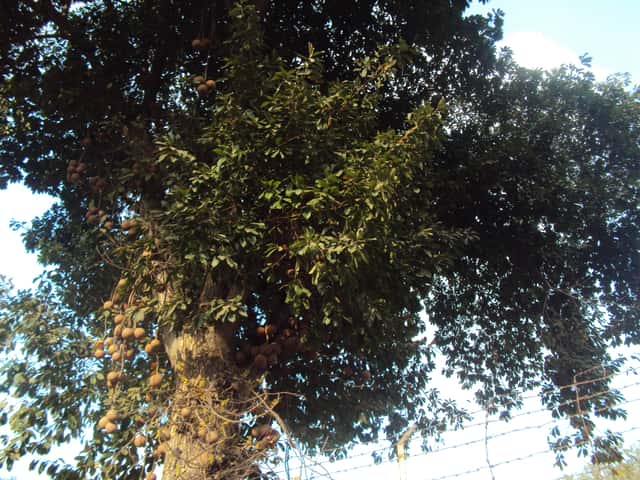
The Cannonball Tree (Couroupita guianensis) is a majestic tropical tree native to South America, belonging to the family Lecythidaceae. It is renowned worldwide for its spectacular cauliflorous blooms — rose-pink to red fragrant flowers that grow directly from the trunk — and for its large, spherical, cannonball-like fruits weighing up to 7 kg. It can reach up to 30 metres in height in its natural habitat and is widely cultivated as an ornamental tree in botanical gardens and parks.
How to Propagate Cannonball Tree?
Seed Propagation
Sow immediately after harvest to maximize germination rates. Substrate should remain moist but not saturated.
- 1 Extract seeds from mature fruits and wash thoroughly
- 2 Sow immediately after harvest in well-draining propagation mix
- 3 Keep substrate moist and at temperatures above 20°C
- 4 Expect germination within 8 to 15 days with over 80% success rate
- 5 Transplant seedlings to permanent location at 7 months old
Materials needed:
Semi-hardwood Cuttings
Use clean, sterilized tools. Maintain consistent substrate moisture throughout the rooting period.
- 1 Take 20-30 cm semi-hardwood cuttings from healthy branches
- 2 Apply rooting hormone to the base of the cutting
- 3 Insert into moist sandy substrate
- 4 Keep in a shaded, humid location until roots develop
Materials needed:
How Big Does Cannonball Tree Grow?
TLDR: Cannonball Tree can reach up to 30.0m tall with Fast growth rate.
Max height
30.0m
Spread
18.0m
Growth rate
Fast
Foliage
Deciduous
Plant Uses
Ornamental
Great for decoration
Medicinal
Medicinal properties
Medicinal Uses
- Leaves, bark, and fruit pulp are used in traditional medicine to treat inflammation, pain, and wounds
- Fruit extracts have scientifically proven antimicrobial and antibiofilm properties
- Wood is used to treat skin diseases in animals
Is your plant showing symptoms?
Click on the symptom to discover possible causes:
What Diseases Commonly Affect Cannonball Tree?
TLDR: Cannonball Tree is susceptible to 7 known diseases. Monitor regularly for early detection.
Root Rot
Root rot is a serious fungal disease that affects the root system of plants, causing them to decay and die. It is primarily caused by overwatering, poor drainage, or soil-borne fungi such as Pythium, Phytophthora, Rhizoctonia, and Fusarium. The disease thrives in waterlogged conditions where roots are deprived of oxygen, making them susceptible to fungal infection.
Powdery Mildew
Powdery mildew is a common fungal disease caused by various fungi species including Erysiphe, Podosphaera, Oïdium, and Leveillula. It affects over 10,000 plant species worldwide. The disease thrives in warm, dry climates with high humidity and appears as a distinctive white powdery coating on plant surfaces.
Aphids
Aphids are small, soft-bodied, pear-shaped insects (1/16 to 1/8 inch long) that feed by sucking nutrient-rich sap from plants. They reproduce rapidly and can quickly weaken plants, causing distorted growth and transmitting plant viruses. Aphids come in various colors including green, black, red, yellow, brown, and gray. They secrete honeydew, a sticky substance that attracts ants and encourages sooty mold growth.
Scale Insects
Scale insects are small sap-sucking pests that appear as brown, shell-like bumps on plant stems and leaves. There are over 25 species, divided into armored (hard) and unarmored (soft) scales. They feed by piercing plant tissue and extracting sap, which weakens the plant and can lead to yellowing, stunted growth, and even death if left untreated. They also excrete honeydew, which attracts ants and promotes sooty mold growth.
Meaning & Symbolism
Considered sacred in Hinduism and associated with the god Shiva. Its flowers and fruits are offered in temples throughout South and Southeast Asia. In its native South America, it is a symbol of fertility and abundance in various indigenous cultures.
Fun Facts
Cannonball Tree flowers last only one day, but the tree can produce hundreds of flowers simultaneously throughout the year
The fruits weigh up to 7 kg and fall with force, posing a hazard to anyone walking beneath the tree
It is considered sacred in Hinduism: its fruits, leaves, and flowers are used in ritual offerings to the god Shiva
In the wild, the flowers are pollinated primarily by large bees and nocturnal bats attracted by their fragrance
Frequently asked questions
Can the Cannonball Tree be grown in a pot?
How often should I water the Cannonball Tree?
Is the Cannonball Tree toxic?
How long does it take to flower?
What is the maximum size of a Cannonball Tree?
Compare with similar plants
| Attribute | Difficulty | Light | Watering | Pet Safe |
|---|---|---|---|---|
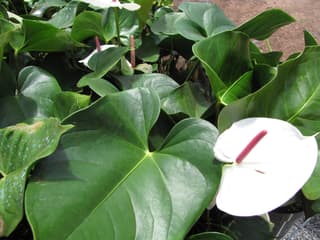
| Flamingo Flower | Medium | Partial shade | 5d | ⚠️ |
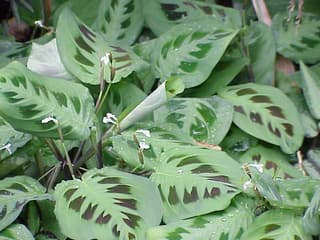
| Prayer Plant | Medium | Partial shade | 3d | ✓ |
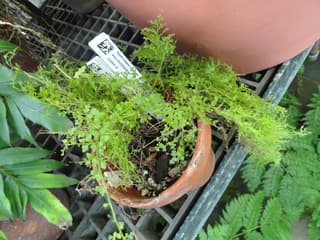
| Boston Fern | Medium | Partial shade | 3d | ✓ |
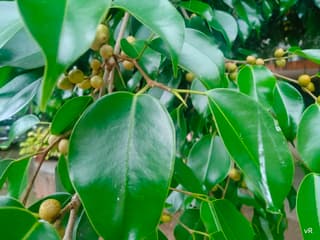
| Weeping Fig | Medium | Partial shade | 10d | ⚠️ |