Iridaceae
Abyssinian Gladiolus: The Fragrant Star of Late Summer Gardens
Gladiolus murielae
Plant corms in spring in full sun and well-draining soil. Water moderately weekly during the growing season, allowing slight drying between waterings. Fertilize every 20 days during flowering with a bulb-specific fertilizer. Lift corms before frost and store in a cool, dry place over winter.
Every 7 days
Direct sun
5° - 35°C
40% - 70%
Categories
What is Abyssinian Gladiolus?
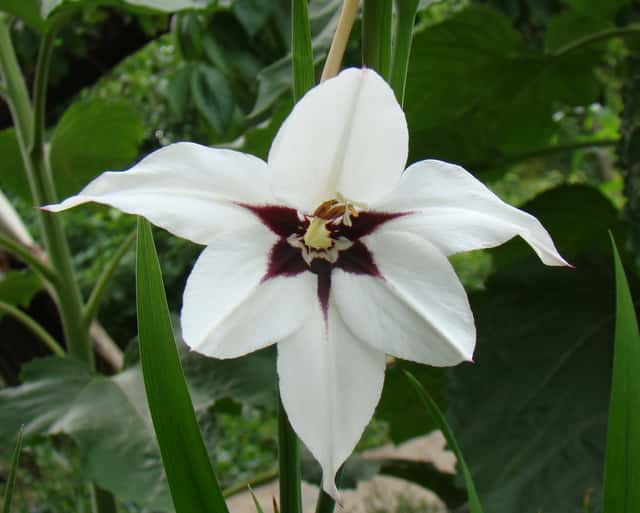
Abyssinian Gladiolus (Gladiolus murielae) is a medium-care plant from the Iridaceae family. Gladiolus murielae, commonly known as Abyssinian Gladiolus or Peacock Orchid, is a stunning bulbous perennial native to the highlands of East Africa, particularly Ethiopia. It produces elegant, star-shaped white flowers adorned with a distinctive deep purple blotch at the center. Blooming in late su...
Abyssinian Gladiolus grows up to 1.0m, with spread of 45cm, watering every 7 days, 5°C – 35°C, 40–70% humidity. It is not suitable for indoor environments and not safe for pets.
Without precautions, ingestion can cause irritation in pets. Keep out of reach of cats and dogs.
How to Care for Abyssinian Gladiolus?
TLDR: Abyssinian Gladiolus needs Direct sun, watering every 7 days, and temperatures between 5-35°C with 40-70% humidity.
How Often Should You Water Abyssinian Gladiolus?
Water once a week during the growing season, providing thorough moisture without waterlogging. Reduce watering significantly in fall and stop in winter when corms are dormant. Always ensure the soil drains well to prevent corm rot.
How Much Light Does Abyssinian Gladiolus Need?
Requires full sun — a minimum of 6 hours of direct sunlight daily. Plant in a south, east, or west-facing spot sheltered from strong winds. Insufficient light leads to weak stems and poor flowering.
What Is the Best Soil for Abyssinian Gladiolus?
Plant in well-draining, fertile soil — a mix of loam, sand, or chalk works best. Enrich with compost before planting. Avoid heavy clay, which retains moisture and causes corm rot. Ideal pH range is 6.0–7.5.
What Pot Should You Use for Abyssinian Gladiolus?
Terracotta or ceramic pots with drainage holes work best for container growing. Use a large container (at least 30 cm diameter and 40 cm deep) to accommodate the corms and allow good root development.
Care Schedule
Fertilize
Every 20 days
Repot
Every 365 days
What Is Abyssinian Gladiolus and Where Does It Come From?
Gladiolus murielae, commonly known as Abyssinian Gladiolus or Peacock Orchid, is a stunning bulbous perennial native to the highlands of East Africa, particularly Ethiopia. It produces elegant, star-shaped white flowers adorned with a distinctive deep purple blotch at the center. Blooming in late summer to fall, the fragrant blooms are especially aromatic at dusk and dawn, making it a favorite for evening gardens and cut flower arrangements.
How to Propagate Abyssinian Gladiolus?
Corm Division
Use a clean, sharp tool when separating cormlets. Allow cut surfaces to dry for a day before storage to prevent rot. Plant cormlets in groups of at least 5 for best visual impact.
- 1 Wait until foliage dies back completely in autumn
- 2 Carefully dig up the corm clumps from the soil
- 3 Separate the small cormlets from the parent corm
- 4 Discard old, shriveled corms and retain firm, healthy ones
- 5 Store cormlets in a cool, dry, frost-free location over winter
- 6 Replant at 10-16 cm depth in spring after the last frost
Materials needed:
How Big Does Abyssinian Gladiolus Grow?
TLDR: Abyssinian Gladiolus can reach up to 1.0m tall with Medium growth rate.
Max height
1.0m
Spread
45cm
Growth rate
Medium
Foliage
Deciduous
Warning: Toxic Plant
This plant can be toxic if ingested. Keep out of reach of:
Plant Uses
Ornamental
Great for decoration
Is your plant showing symptoms?
Click on the symptom to discover possible causes:
What Diseases Commonly Affect Abyssinian Gladiolus?
TLDR: Abyssinian Gladiolus is susceptible to 14 known diseases. Monitor regularly for early detection.
Gray Mold (Botrytis Blight)
Gray mold, caused by the fungus Botrytis cinerea, is one of the most common fungal diseases in plants. It affects over 200 plant species, including ornamentals, vegetables, fruits, and houseplants. The disease thrives in cool, humid conditions with poor air circulation, causing grayish spots and soft rot on infected tissues.
Crown Rot
Crown rot is a serious fungal disease that attacks the crown (base) of the plant where the stem meets the soil. It is caused by various fungal pathogens including Phytophthora, Fusarium, and Rhizoctonia. The disease thrives in waterlogged conditions and can quickly spread to kill the entire plant if not addressed promptly.
Root Rot
Root rot is a serious fungal disease that affects the root system of plants, causing them to decay and die. It is primarily caused by overwatering, poor drainage, or soil-borne fungi such as Pythium, Phytophthora, Rhizoctonia, and Fusarium. The disease thrives in waterlogged conditions where roots are deprived of oxygen, making them susceptible to fungal infection.
Gray Mold (Botrytis Blight)
Gray mold, caused by the fungus Botrytis cinerea, is a widespread necrotrophic pathogen affecting over 1,400 plant species. It thrives in cool, humid conditions and attacks weakened or aging plant tissues, causing soft rot and characteristic gray fuzzy growth.
Meaning & Symbolism
Associated with elegance, purity, and admiration. The white blooms symbolize sincerity and grace, while the purple center adds an air of mystery and remembrance. Often used in memorial arrangements and romantic bouquets.
Fun Facts
Its fragrant flowers are most strongly scented at dusk and dawn, earning it the nickname 'Evening Orchid' in some regions.
Despite its common name, Abyssinian Gladiolus is not a true orchid — it belongs to the Iridaceae family, the same family as irises.
The plant is native to the Ethiopian highlands, one of Africa's most botanically rich regions, and has been cultivated in European gardens since the 19th century.
Each corm can produce multiple cormlets each season, making it easy to expand your planting naturally year after year.
Frequently asked questions
When should I plant Gladiolus murielae corms?
Is Gladiolus murielae toxic to pets?
How do I store corms over winter?
Why are my Gladiolus murielae not flowering?
Can I grow Abyssinian Gladiolus in pots?
Compare with similar plants
| Attribute | Difficulty | Light | Watering | Pet Safe |
|---|---|---|---|---|
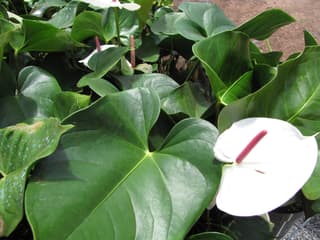
| Flamingo Flower | Medium | Partial shade | 5d | ⚠️ |
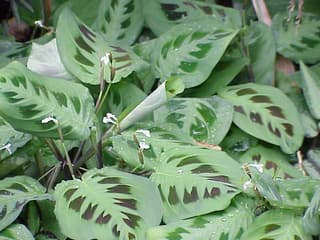
| Prayer Plant | Medium | Partial shade | 3d | ✓ |
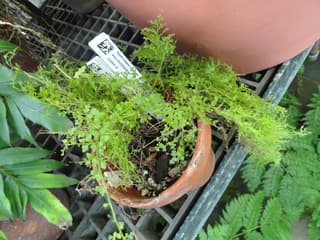
| Boston Fern | Medium | Partial shade | 3d | ✓ |
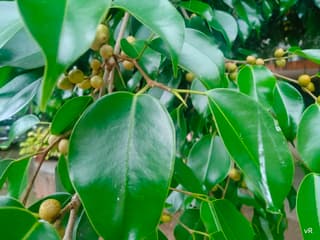
| Weeping Fig | Medium | Partial shade | 10d | ⚠️ |