Acanthaceae
Bear's Breeches (Acanthus mollis)
Acanthus mollis
A hardy, drought-tolerant perennial that thrives in full sun to partial shade. Water moderately during the growing season and reduce watering once established. Feed in spring with a balanced fertilizer. Cut back spent flower stems after blooming.
Every 10 days
Bright indirect
-5° - 35°C
40% - 70%
Categories
What is Bear's Breeches?
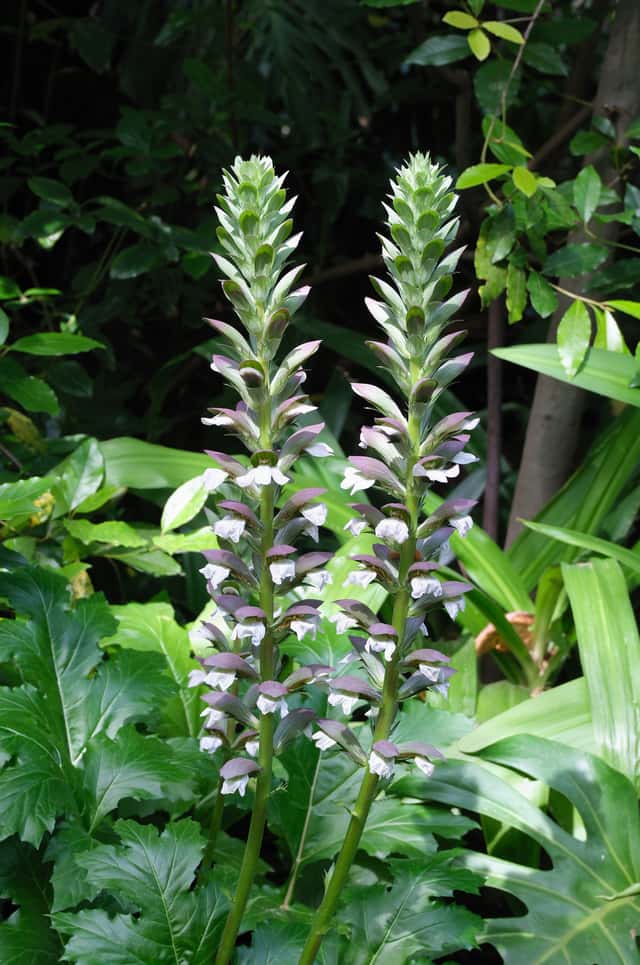
Bear's Breeches (Acanthus mollis) is a medium-care plant from the Acanthaceae family. Acanthus mollis, commonly known as Bear's Breeches, is a bold architectural perennial native to the Mediterranean. It is prized for its dramatic, deeply lobed glossy green leaves and tall spikes of white and purple flowers that bloom in late spring to midsummer. Its striking foliage inspired the ico...
Bear's Breeches grows up to 1.8m, spread of 90cm, watering every 10 days, -5°C – 35°C, 40–70% humidity. It is not suitable for indoor environments and safe for pets.
Unlike many popular species, Bear's Breeches is safe to keep around pets.
How to Care for Bear's Breeches?
TLDR: Bear's Breeches needs Bright indirect, watering every 10 days, and temperatures between -5-35°C with 40-70% humidity.
How Often Should You Water Bear's Breeches?
Water regularly during the growing season (every 7–14 days). Once established, Bear's Breeches is very drought tolerant. Avoid overwatering and ensure good drainage to prevent root rot.
How Much Light Does Bear's Breeches Need?
Prefers full sun to partial shade. In hot climates, afternoon shade protects foliage from scorching. In cooler regions, full sun encourages stronger flowering.
What Is the Best Soil for Bear's Breeches?
Thrives in well-draining soil. Tolerates clay, loam, and sandy soils, but will not tolerate waterlogged conditions. Amend heavy soils with grit or compost to improve drainage.
What Pot Should You Use for Bear's Breeches?
Large terracotta or stone pot with drainage holes; suits statement containers in courtyards
Care Schedule
Fertilize
Every 90 days
What Is Bear's Breeches and Where Does It Come From?
Acanthus mollis, commonly known as Bear's Breeches, is a bold architectural perennial native to the Mediterranean. It is prized for its dramatic, deeply lobed glossy green leaves and tall spikes of white and purple flowers that bloom in late spring to midsummer. Its striking foliage inspired the iconic leaf motif on Corinthian columns.
How to Propagate Bear's Breeches?
Division
Division is the easiest and most reliable method. Wear gloves as the roots can be vigorous.
- 1 Dig up the clump in early spring before new growth emerges
- 2 Divide the root mass into sections, each with several buds
- 3 Replant divisions at the same depth and water thoroughly
Materials needed:
How Big Does Bear's Breeches Grow?
TLDR: Bear's Breeches can reach up to 1.8m tall with Fast growth rate.
Max height
1.8m
Spread
90cm
Growth rate
Fast
Foliage
Semi-evergreen
Plant Uses
Ornamental
Great for decoration
Is your plant showing symptoms?
Click on the symptom to discover possible causes:
What Diseases Commonly Affect Bear's Breeches?
TLDR: Bear's Breeches is susceptible to 6 known diseases. Monitor regularly for early detection.
Powdery Mildew
Powdery mildew is a common fungal disease caused by various fungi species including Erysiphe, Podosphaera, Oïdium, and Leveillula. It affects over 10,000 plant species worldwide. The disease thrives in warm, dry climates with high humidity and appears as a distinctive white powdery coating on plant surfaces.
Root Rot
Root rot is a serious fungal disease that affects the root system of plants, causing them to decay and die. It is primarily caused by overwatering, poor drainage, or soil-borne fungi such as Pythium, Phytophthora, Rhizoctonia, and Fusarium. The disease thrives in waterlogged conditions where roots are deprived of oxygen, making them susceptible to fungal infection.
Leaf Spot
Leaf spot is a common fungal disease caused by various pathogens including Alternaria, Ascochyta, Colletotrichum, Septoria, and Venturia. It primarily affects leaves, causing discolored spots that can lead to premature leaf drop if left untreated.
Slugs and Snails
Slugs and snails are mollusks that feed on plant tissue, causing irregular holes in leaves and damage to young seedlings. They are most active at night and in moist conditions, leaving characteristic silvery slime trails. These pests can quickly devastate gardens, especially during wet seasons.
Meaning & Symbolism
The leaf of Acanthus mollis is one of the most celebrated symbols in Western architecture, adorning Corinthian column capitals and representing artistic beauty, endurance, and immortality.
Fun Facts
Its leaves inspired the decorative motif on ancient Greek Corinthian columns
Can spread aggressively underground — a single plant may colonise a wide area over time
The flower spikes can reach up to 180 cm tall
Despite looking tender, it is surprisingly hardy down to -5°C
Frequently asked questions
How often should I water Bear's Breeches?
Does Acanthus mollis spread?
Is Bear's Breeches toxic to pets?
When does Bear's Breeches flower?
Compare with similar plants
| Attribute | Difficulty | Light | Watering | Pet Safe |
|---|---|---|---|---|
| Dark Fieldcap | Medium | Low light | 2d | ⚠️ |
| Azalea | Medium | Partial shade | 3d | ⚠️ |
| Bougainvillea | Medium | Direct sun | 7d | ⚠️ |
| Wild Lettuce | Medium | Direct sun | 7d | ⚠️ |



