Acanthaceae
Coral Aphelandra - Complete Care Guide
Aphelandra sinclairiana
An intermediate-level tropical plant requiring high humidity, regular watering, and bright indirect light. Avoid direct sun and waterlogging. Thrives in warm temperatures between 18-30°C (64-86°F).
Every 7 days
Bright indirect
15° - 30°C
60% - 80%
Categories
What is Coral Aphelandra?
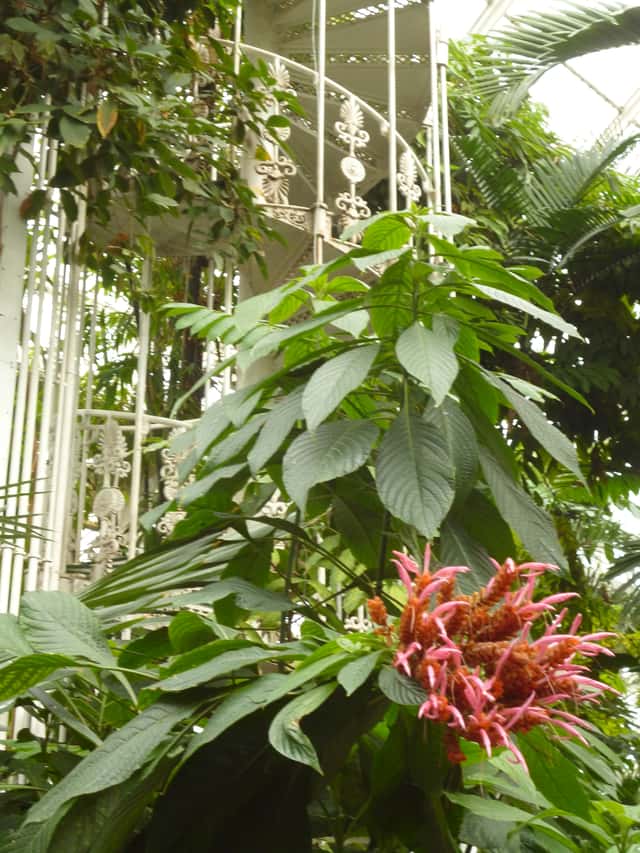
Coral Aphelandra (Aphelandra sinclairiana) is a medium-care plant from the Acanthaceae family. Aphelandra sinclairiana, commonly known as Coral Aphelandra or Panama Queen, is a tropical evergreen shrub native to Central America, particularly Panama and Costa Rica. It can grow up to 3 meters tall and is celebrated for its spectacular coral-orange flower spikes with brilliantly colored bracts t...
Coral Aphelandra grows up to 3.0m, with spread of 150cm, watering every 7 days, 15°C – 30°C, 60–80% humidity. It is suitable for indoor environments and safe for pets.
Unlike many popular species, Coral Aphelandra is safe to keep around pets. Without adequate drainage, root rot can develop within 14 days.
How to Care for Coral Aphelandra?
TLDR: Coral Aphelandra needs Bright indirect, watering every 7 days, and temperatures between 15-30°C with 60-80% humidity.
How Often Should You Water Coral Aphelandra?
Water every 7 days, keeping the soil slightly moist but never waterlogged. Allow the top inch of soil to dry out before watering again. Reduce watering frequency during winter months.
How Much Light Does Coral Aphelandra Need?
Place in a bright spot with indirect light near a south or east-facing window. Avoid direct sunlight which can scorch the leaves. It will not thrive in deep shade.
What Is the Best Soil for Coral Aphelandra?
Use a rich, moisture-retentive soil mix with good drainage. A tropical plant mix with perlite and coco coir works well. pH between 5.5 and 6.5.
What Pot Should You Use for Coral Aphelandra?
Terra cotta or ceramic pot with drainage holes. Avoid dark plastic pots that retain excessive heat. Choose a moderate size to prevent excess moist soil around the roots.
Care Schedule
Fertilize
Every 30 days
Misting
Every 3 days
Repot
Every 365 days
What Is Coral Aphelandra and Where Does It Come From?
Aphelandra sinclairiana, commonly known as Coral Aphelandra or Panama Queen, is a tropical evergreen shrub native to Central America, particularly Panama and Costa Rica. It can grow up to 3 meters tall and is celebrated for its spectacular coral-orange flower spikes with brilliantly colored bracts that remain decorative for weeks. The large, opposite, deep-green leaves with prominent white veins make it a striking ornamental plant for both indoor spaces and tropical gardens.
How to Propagate Coral Aphelandra?
Stem Cuttings
Use clean, sharp tools for the cut. Keep the environment warm (22-26°C / 72-79°F) and humid. Propagation from seeds is also possible but slower and less reliable.
- 1 Take a healthy stem cutting about 10 cm (4 in) long just above a node in spring or early summer.
- 2 Remove the lower leaves, keeping only 2-3 leaves at the top.
- 3 Apply rooting hormone powder or gel to the base of the cutting.
- 4 Plant the cutting in a moist mix of sand and tropical potting soil.
- 5 Cover with a clear plastic bag or propagation dome to maintain high humidity.
- 6 Ventilate briefly each day to prevent mold and keep the substrate slightly moist.
- 7 Transplant once the cutting has firm roots, typically within 2-8 weeks.
Materials needed:
How Big Does Coral Aphelandra Grow?
TLDR: Coral Aphelandra can reach up to 3.0m tall with Medium growth rate.
Max height
3.0m
Spread
1.5m
Growth rate
Medium
Foliage
Evergreen
Plant Uses
Ornamental
Great for decoration
Is your plant showing symptoms?
Click on the symptom to discover possible causes:
What Diseases Commonly Affect Coral Aphelandra?
TLDR: Coral Aphelandra is susceptible to 11 known diseases. Monitor regularly for early detection.
Root Rot
Root rot is a serious fungal disease that affects the root system of plants, causing them to decay and die. It is primarily caused by overwatering, poor drainage, or soil-borne fungi such as Pythium, Phytophthora, Rhizoctonia, and Fusarium. The disease thrives in waterlogged conditions where roots are deprived of oxygen, making them susceptible to fungal infection.
Overwatering
Overwatering occurs when plants receive too much water, depriving roots of oxygen and causing root rot. This environmental stress is one of the most common causes of houseplant death, as waterlogged soil prevents roots from breathing and functioning properly.
Low Humidity Stress
Low humidity stress occurs when indoor air becomes too dry, causing plants to lose moisture faster than they can absorb it through their roots. This is especially common during winter heating periods, near radiators and heating vents, or in air-conditioned spaces. Tropical plants are particularly susceptible to low humidity damage.
Spider Mites
Spider mites are tiny arachnids (less than 1/20 inch long) related to spiders and ticks that feed on plant sap. They thrive in hot, dry conditions and can cause significant damage to ornamental and vegetable plants. During severe infestations, crop losses can reach 14% or higher as these pests disrupt vital plant processes including photosynthesis, carbon dioxide absorption, and transpiration.
Meaning & Symbolism
A symbol of exotic beauty and tropical vitality, the Coral Aphelandra evokes the lush exuberance of Central American rainforests.
Fun Facts
In its natural Central American rainforest habitat, Aphelandra sinclairiana can grow up to 3 meters (10 feet) tall.
Its striking coral-orange bracts can remain decorative for several weeks, far outlasting the individual flowers.
The species name "sinclairiana" honors Scottish botanist Andrew Sinclair, who collected specimens in Central America in the 19th century.
It goes by several colorful common names: Panama Queen, Orange Shrimp Plant, and Coral Aphelandra — all reflecting its Central American origin and vivid coloring.
Frequently asked questions
How often should I water my Coral Aphelandra?
Is Coral Aphelandra toxic to pets?
Why is my Coral Aphelandra dropping leaves?
How much light does the Coral Aphelandra need?
How do I propagate the Coral Aphelandra?
Compare with similar plants
| Attribute | Difficulty | Light | Watering | Pet Safe |
|---|---|---|---|---|
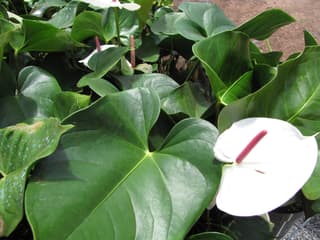
| Flamingo Flower | Medium | Partial shade | 5d | ⚠️ |
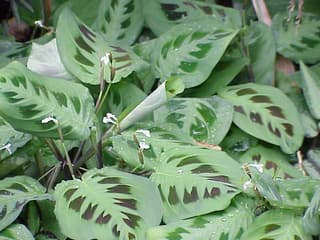
| Prayer Plant | Medium | Partial shade | 3d | ✓ |
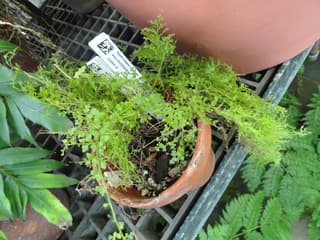
| Boston Fern | Medium | Partial shade | 3d | ✓ |
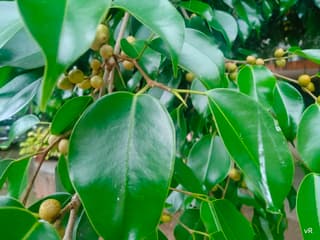
| Weeping Fig | Medium | Partial shade | 10d | ⚠️ |