Arecaceae
Seashore Palm: Edible Plant
Allagoptera arenaria
Grow in full sun in predominantly sandy, well-drained soil. It is drought-tolerant once established but appreciates regular watering.
Every 7 days
Direct sun
15° - 40°C
40% - 90%
Categories
What is Seashore Palm?
Seashore Palm (Allagoptera arenaria) is a medium-care plant from the Arecaceae family. Allagoptera arenaria, commonly known as the Seashore Palm or Shore Palm, is a small palm species native to the restingas (coastal scrublands) of the Brazilian coast. It typically features an underground or very short stem, with grayish-green pinnate leaves that emerge directly from the sandy soil. I...
Seashore Palm grows up to 2.5m, with spread of 200cm, watering every 7 days, 15°C – 40°C, 40–90% humidity. It is not suitable for indoor environments and safe for pets.
Unlike many popular species, Seashore Palm is safe to keep around pets.
How to Care for Seashore Palm?
TLDR: Seashore Palm needs Direct sun, watering every 7 days, and temperatures between 15-40°C with 40-90% humidity.
How Often Should You Water Seashore Palm?
Water deeply once a week, allowing the sand to dry out completely between applications.
How Much Light Does Seashore Palm Need?
This palm requires direct sun exposure for several hours a day to develop healthily.
What Is the Best Soil for Seashore Palm?
Use a mixture of sand and potting soil in a 2:1 ratio to ensure the necessary drainage.
What Pot Should You Use for Seashore Palm?
Prefers direct planting in the ground, but if grown in pots, they should be deep to accommodate the root system and have excellent drainage.
Care Schedule
Fertilize
Every 90 days
What Is Seashore Palm and Where Does It Come From?
Allagoptera arenaria, commonly known as the Seashore Palm or Shore Palm, is a small palm species native to the restingas (coastal scrublands) of the Brazilian coast. It typically features an underground or very short stem, with grayish-green pinnate leaves that emerge directly from the sandy soil. It is an extremely resilient plant, adapted to strong winds, high salinity, and intense solar radiation, playing a vital ecological role in dune stabilization.
How to Propagate Seashore Palm?
Sowing
- Germination is slow and can be irregular.
- Keep in a warm and bright location.
- 1 Collection and Cleaning
Harvest ripe fruits and remove all fibrous pulp to release the seed.
- 2 Substrate Preparation
Prepare a seedbed with river sand and a small amount of organic matter.
- 3 Sowing
Bury the seeds about 1-2 cm deep and keep the substrate moist.
Materials needed:
Clump Division
- Keep the new sapling protected from strong sun during the first few weeks.
- Avoid damaging the main taproot.
- 1 Identification
Identify side shoots that have their own root system.
- 2 Separation
Carefully cut the connection to the mother plant using a sharp spade.
- 3 Replanting
Plant immediately in its permanent location or in a pot with sandy soil.
Materials needed:
How Big Does Seashore Palm Grow?
TLDR: Seashore Palm can reach up to 2.5m tall with Slow growth rate.
Max height
2.5m
Spread
2.0m
Growth rate
Slow
Foliage
Evergreen
Plant Uses
Ornamental
Great for decoration
Edible
Can be consumed
Culinary Uses
- Fresh fruit consumption
- Pulp production for ice cream
- Traditional jams and sweets
Is your plant showing symptoms?
Click on the symptom to discover possible causes:
Meaning & Symbolism
Represents the strength and adaptation of Brazilian coastal biodiversity.
Compare with similar plants
| Attribute | Difficulty | Light | Watering | Pet Safe |
|---|---|---|---|---|
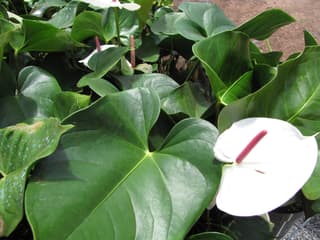
| Flamingo Flower | Medium | Partial shade | 5d | ⚠️ |
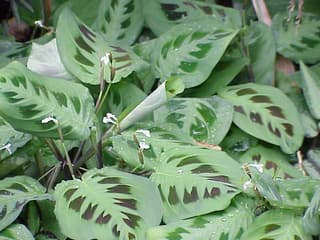
| Prayer Plant | Medium | Partial shade | 3d | ✓ |
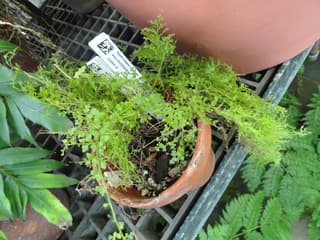
| Boston Fern | Medium | Partial shade | 3d | ✓ |
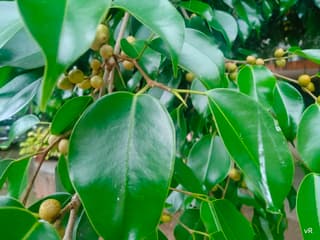
| Weeping Fig | Medium | Partial shade | 10d | ⚠️ |