Papaveraceae
Oriental Poppy (Papaver orientale)
Papaver orientale
Oriental Poppy is a low-maintenance perennial that thrives in full sun and well-draining soil. It is drought-tolerant once established, requires little fertilizing, and dislikes disturbance due to its deep taproot. Plant it where it can stay permanently and enjoy its spectacular but brief flowering season.
Every 9 days
Direct sun
-35° - 30°C
40% - 65%
Categories
What is Oriental Poppy?
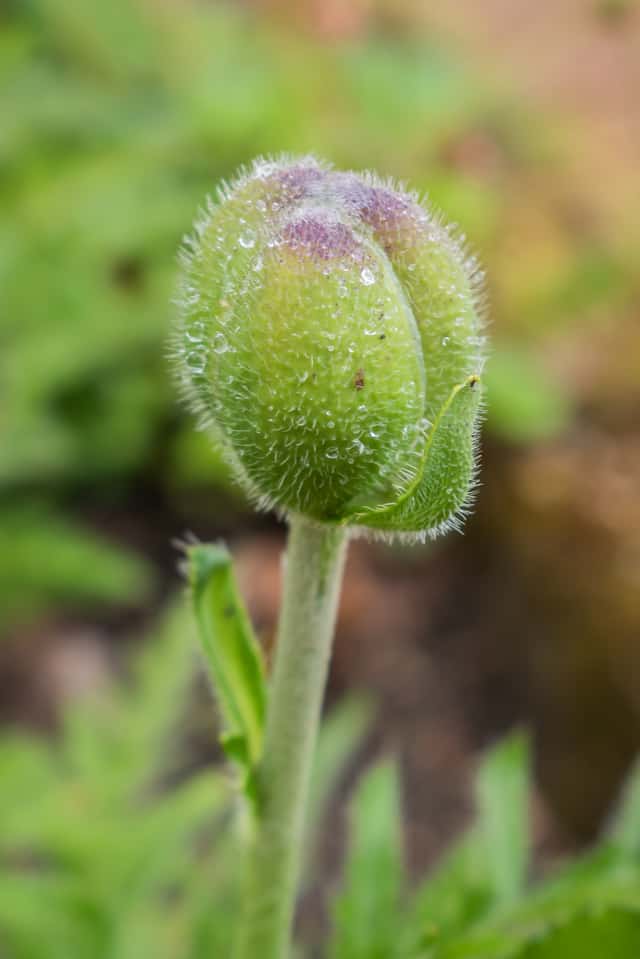
Oriental Poppy (Papaver orientale) is a medium-care plant from the Papaveraceae family. Papaver orientale, commonly known as the Oriental Poppy, is a spectacular hardy perennial native to the Caucasus mountains, northeastern Turkey, and northern Iran. It produces enormous, tissue-paper-thin flowers in vivid shades of orange, red, pink, white, and purple, each with a dramatic dark cente...
Oriental Poppy grows up to 90cm, with spread of 60cm, watering every 9 days, -35°C – 30°C, 40–65% humidity. It is not suitable for indoor environments and not safe for pets.
Without precautions, ingestion can cause irritation in pets. Keep out of reach of cats and dogs.
How to Care for Oriental Poppy?
TLDR: Oriental Poppy needs Direct sun, watering every 9 days, and temperatures between -35-30°C with 40-65% humidity.
How Often Should You Water Oriental Poppy?
Water deeply once or twice per week during the first growing season to establish the root system. Once established, water only during prolonged dry spells — approximately every 9 days in dry conditions. Avoid overwatering as the deep taproot is prone to rot in waterlogged soil.
How Much Light Does Oriental Poppy Need?
Oriental Poppy requires full sun — at least 6 hours of direct sunlight per day. In extremely hot climates, light afternoon shade can be tolerated, but insufficient light will significantly reduce flowering. Position in the brightest spot in the garden.
What Is the Best Soil for Oriental Poppy?
Plant in well-draining, moderately fertile soil. Sandy or loamy soils are ideal. Avoid heavy clay or waterlogged soils which can cause root rot. Soil pH between 6.0 and 8.0 is suitable. Amend with grit or sharp sand to improve drainage if needed.
What Pot Should You Use for Oriental Poppy?
Open garden bed or large container with drainage holes. If grown in pots, use a deep container to accommodate the long taproot. Terracotta pots are ideal for their breathability.
Care Schedule
Fertilize
Every 90 days
What Is Oriental Poppy and Where Does It Come From?
Papaver orientale, commonly known as the Oriental Poppy, is a spectacular hardy perennial native to the Caucasus mountains, northeastern Turkey, and northern Iran. It produces enormous, tissue-paper-thin flowers in vivid shades of orange, red, pink, white, and purple, each with a dramatic dark center. After flowering in late spring to early summer, the foliage dies back completely, only to reappear as a basal rosette in autumn. This deciduous habit allows it to survive the dry summers of its native range.
How to Propagate Oriental Poppy?
Root Division
Oriental Poppies dislike root disturbance — divide only when necessary. Handle the brittle taproot with care. Division is best done every 5-7 years.
- 1 Wait until late summer or early fall when the plant is dormant
- 2 Carefully dig around the plant to expose the taproot
- 3 Use a sharp knife to divide the root into sections, each with a growing bud
- 4 Replant divisions immediately at the original depth
- 5 Water well and avoid disturbing until new growth appears
Materials needed:
Seed Sowing
Oriental Poppies grow easily from seed but may not reproduce true to cultivar. Self-sown seedlings often appear naturally around the parent plant.
- 1 Collect seeds from dried seed pods in late summer
- 2 Sow seeds directly in the garden in autumn, barely covering with soil
- 3 Seeds need cold stratification — winter cold will naturally stratify them outdoors
- 4 Thin seedlings to 30-45 cm apart once established
- 5 Expect flowering from the second year onwards
Materials needed:
How Big Does Oriental Poppy Grow?
TLDR: Oriental Poppy can reach up to 90cm tall with Medium growth rate.
Max height
90cm
Spread
60cm
Growth rate
Medium
Foliage
Deciduous
Warning: Toxic Plant
This plant can be toxic if ingested. Keep out of reach of:
Plant Uses
Ornamental
Great for decoration
Is your plant showing symptoms?
Click on the symptom to discover possible causes:
What Diseases Commonly Affect Oriental Poppy?
TLDR: Oriental Poppy is susceptible to 6 known diseases. Monitor regularly for early detection.
Root Rot
Root rot is a serious fungal disease that affects the root system of plants, causing them to decay and die. It is primarily caused by overwatering, poor drainage, or soil-borne fungi such as Pythium, Phytophthora, Rhizoctonia, and Fusarium. The disease thrives in waterlogged conditions where roots are deprived of oxygen, making them susceptible to fungal infection.
Powdery Mildew
Powdery mildew is a common fungal disease caused by various fungi species including Erysiphe, Podosphaera, Oïdium, and Leveillula. It affects over 10,000 plant species worldwide. The disease thrives in warm, dry climates with high humidity and appears as a distinctive white powdery coating on plant surfaces.
Aphids
Aphids are small, soft-bodied, pear-shaped insects (1/16 to 1/8 inch long) that feed by sucking nutrient-rich sap from plants. They reproduce rapidly and can quickly weaken plants, causing distorted growth and transmitting plant viruses. Aphids come in various colors including green, black, red, yellow, brown, and gray. They secrete honeydew, a sticky substance that attracts ants and encourages sooty mold growth.
Spider Mites
Spider mites are tiny arachnids (less than 1/20 inch long) related to spiders and ticks that feed on plant sap. They thrive in hot, dry conditions and can cause significant damage to ornamental and vegetable plants. During severe infestations, crop losses can reach 14% or higher as these pests disrupt vital plant processes including photosynthesis, carbon dioxide absorption, and transpiration.
Meaning & Symbolism
The poppy is a powerful symbol of remembrance, peace, and consolation. The red Oriental Poppy is associated with fallen soldiers and is worn on Remembrance Day in many countries. It also symbolizes sleep, dreams, and the passage between life and death in various cultures.
Fun Facts
Oriental Poppies can live for decades in the right conditions — some garden plants are over 50 years old.
The seed pods of Papaver orientale are large and decorative, often used in dried flower arrangements.
Each flower lasts only 3-5 days but produces an abundance of blooms throughout the flowering season.
The red poppy became a symbol of remembrance after the poem "In Flanders Fields" was written during World War I.
Frequently asked questions
When does the Oriental Poppy bloom?
Is the Oriental Poppy toxic?
Why did my Oriental Poppy disappear after flowering?
Can I grow Oriental Poppy in a pot?
How do I prevent root rot in Oriental Poppy?
Compare with similar plants
| Attribute | Difficulty | Light | Watering | Pet Safe |
|---|---|---|---|---|
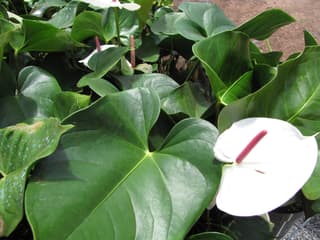
| Flamingo Flower | Medium | Partial shade | 5d | ⚠️ |
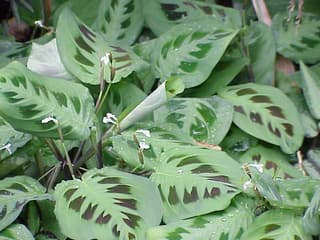
| Prayer Plant | Medium | Partial shade | 3d | ✓ |
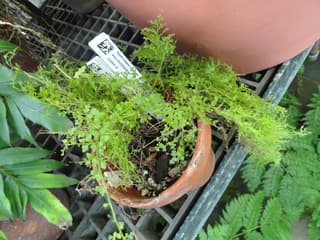
| Boston Fern | Medium | Partial shade | 3d | ✓ |
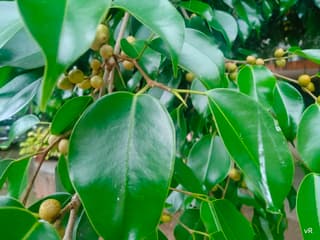
| Weeping Fig | Medium | Partial shade | 10d | ⚠️ |