Amaryllidaceae
Amazon Lily Grandiflora (Urceolina × grandiflora)
Urceolina × grandiflora
Grow in bright indirect light with moderate watering every 3–4 days in summer, reduced in winter. Requires high humidity. Fertilise fortnightly during the growing season. Allow a 4–6 week dry rest period after each bloom cycle to encourage repeat flowering.
Every 4 days
Partial shade
15° - 24°C
60% - 80%
Categories
What is Amazon Lily Grandiflora?
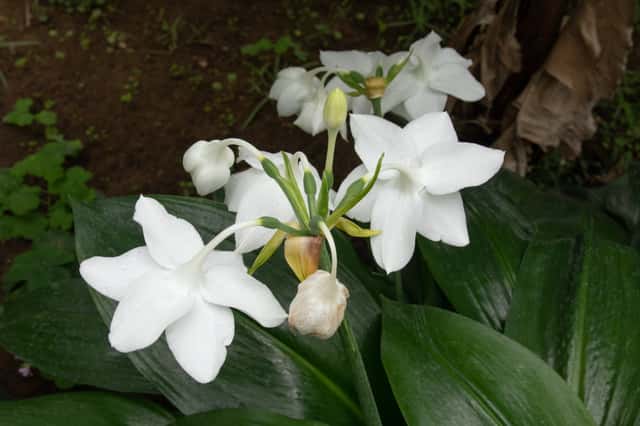
Amazon Lily Grandiflora (Urceolina × grandiflora) is a medium-care plant from the Amaryllidaceae family. The Amazon Lily Grandiflora (Urceolina × grandiflora, syn. Eucharis grandiflora) is a tropical bulbous plant native to the Andean slopes of Colombia and Peru. It produces clusters of 3–6 fragrant, pure-white flowers resembling daffodils atop elegant stems up to 70 cm tall. It is prized as an ornamen...
Amazon Lily Grandiflora grows up to 70cm, with spread of 40cm, watering every 4 days, 15°C – 24°C, 60–80% humidity. It is suitable for indoor environments and not safe for pets.
Without precautions, ingestion can cause irritation in pets. Keep out of reach of cats and dogs. Without adequate drainage, root rot can develop within 8 days.
How to Care for Amazon Lily Grandiflora?
TLDR: Amazon Lily Grandiflora needs Partial shade, watering every 4 days, and temperatures between 15-24°C with 60-80% humidity.
How Often Should You Water Amazon Lily Grandiflora?
Water every 3–4 days during the growing season, keeping the soil evenly moist but never waterlogged. Reduce to every 10–14 days during dormancy or the post-bloom rest period. Never let the bulb dry out completely.
How Much Light Does Amazon Lily Grandiflora Need?
Provide bright, indirect light — an east- or west-facing windowsill is ideal. Avoid harsh direct sun which can scorch leaves. In deep shade the plant will not flower.
What Is the Best Soil for Amazon Lily Grandiflora?
Use a rich, well-draining organic potting mix with pH 6.0–7.0. A blend of peat-free compost with perlite and leaf mould works well. Always use pots with drainage holes to prevent bulb rot.
What Pot Should You Use for Amazon Lily Grandiflora?
A wide, shallow ceramic or terracotta pot with drainage holes. Avoid deep pots — the bulbs perform best when slightly root-bound.
Care Schedule
Fertilize
Every 14 days
Misting
Every 3 days
Repot
Every 730 days
What Is Amazon Lily Grandiflora and Where Does It Come From?
The Amazon Lily Grandiflora (Urceolina × grandiflora, syn. Eucharis grandiflora) is a tropical bulbous plant native to the Andean slopes of Colombia and Peru. It produces clusters of 3–6 fragrant, pure-white flowers resembling daffodils atop elegant stems up to 70 cm tall. It is prized as an ornamental houseplant and a feature of tropical gardens worldwide.
How to Propagate Amazon Lily Grandiflora?
Offset bulb division
Seed
How Big Does Amazon Lily Grandiflora Grow?
TLDR: Amazon Lily Grandiflora can reach up to 70cm tall with Slow growth rate.
Max height
70cm
Spread
40cm
Growth rate
Slow
Foliage
Evergreen
Warning: Toxic Plant
This plant can be toxic if ingested. Keep out of reach of:
Plant Uses
Ornamental
Great for decoration
Is your plant showing symptoms?
Click on the symptom to discover possible causes:
What Diseases Commonly Affect Amazon Lily Grandiflora?
TLDR: Amazon Lily Grandiflora is susceptible to 9 known diseases. Monitor regularly for early detection.
Root Rot
Root rot is a serious fungal disease that affects the root system of plants, causing them to decay and die. It is primarily caused by overwatering, poor drainage, or soil-borne fungi such as Pythium, Phytophthora, Rhizoctonia, and Fusarium. The disease thrives in waterlogged conditions where roots are deprived of oxygen, making them susceptible to fungal infection.
Gray Mold (Botrytis Blight)
Gray mold, caused by the fungus Botrytis cinerea, is one of the most common fungal diseases in plants. It affects over 200 plant species, including ornamentals, vegetables, fruits, and houseplants. The disease thrives in cool, humid conditions with poor air circulation, causing grayish spots and soft rot on infected tissues.
Gray Mold (Botrytis Blight)
Gray mold, caused by the fungus Botrytis cinerea, is a widespread necrotrophic pathogen affecting over 1,400 plant species. It thrives in cool, humid conditions and attacks weakened or aging plant tissues, causing soft rot and characteristic gray fuzzy growth.
Mealybugs
Mealybugs are small, soft-bodied insects covered with a white, waxy, cottony material. They are common pests of houseplants and outdoor plants in mild climates. These sap-sucking insects feed on plant tissue, causing damage, stunted growth, and can lead to plant death if left untreated. They produce sticky honeydew which attracts sooty mold.
Meaning & Symbolism
Symbol of purity, innocence, and elegance; associated with tropical grace and beauty in South American culture.
Fun Facts
Amazon Lily Grandiflora can bloom multiple times a year when given the correct rest period between flowering cycles.
Each flower stem produces 3–6 fragrant white blooms that resemble daffodils, giving the plant its common name.
The genus was reclassified from Eucharis to Urceolina based on molecular phylogenetic studies of the Amaryllidaceae family.
Frequently asked questions
Is Amazon Lily Grandiflora toxic to cats and dogs?
Why is my plant not blooming?
How often should I repot?
Compare with similar plants
| Attribute | Difficulty | Light | Watering | Pet Safe |
|---|---|---|---|---|
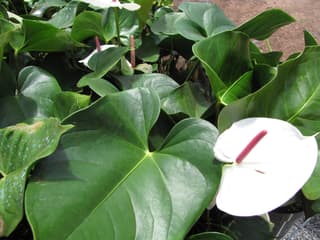
| Flamingo Flower | Medium | Partial shade | 5d | ⚠️ |
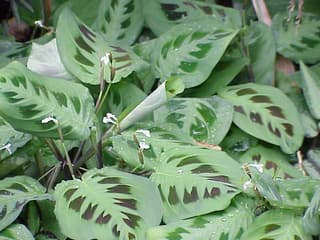
| Prayer Plant | Medium | Partial shade | 3d | ✓ |
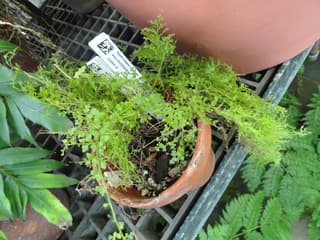
| Boston Fern | Medium | Partial shade | 3d | ✓ |
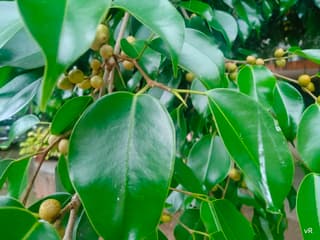
| Weeping Fig | Medium | Partial shade | 10d | ⚠️ |
Choose & Compare
Sources & References
- Eucharis x grandiflora or Amazon lily | Care and Growing
- How to Grow Amazon Lily — Eucharis - Harvest to Table
- How to Plant Eucharis Grandiflora | Amazon Lily Care and Tips
- Amazon Lily Plant Care & Growing Basics | PlantIn
- Alkaloid Profiling of Urceolina - PMC
- Alcaloides y actividad biologica en Eucharis - Redalyc