Lecythidaceae
Fish Poison Tree (Barringtonia asiatica): Full Care Guide
Barringtonia asiatica
Barringtonia asiatica thrives in full sun with at least 8 hours of direct light daily. Water every 10–14 days, allowing the soil to partially dry between waterings. It prefers well-draining, sandy coastal soil and tolerates high salinity. Keep in warm, humid conditions above 20°C. Fertilize every 3 months during the growing season. CAUTION: all plant parts are severely toxic.
Every 14 days
Direct sun
20° - 38°C
70% - 90%
Categories
What is Fish Poison Tree?
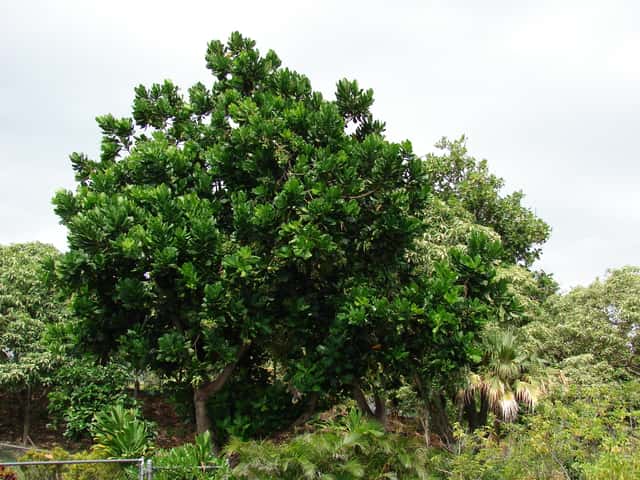
Fish Poison Tree (Barringtonia asiatica) is a hard-care plant from the Lecythidaceae family. Barringtonia asiatica, commonly known as the Fish Poison Tree or Sea Poison Tree, is a striking tropical tree native to the coastlines of the Indo-Pacific. Belonging to the family Lecythidaceae, it produces spectacular night-blooming flowers with white petals and long pink-tipped stamens, filling th...
Fish Poison Tree grows up to 20.0m, spread of 700cm, watering every 14 days, 20°C – 38°C, 70–90% humidity. It is not suitable for indoor environments and not safe for pets.
Unlike easy-care plants, Fish Poison Tree demands constant attention to humidity and light. Not recommended for beginners. Without precautions, ingestion can cause irritation in pets. Keep out of reach of cats and dogs.
How to Care for Fish Poison Tree?
TLDR: Fish Poison Tree needs Direct sun, watering every 14 days, and temperatures between 20-38°C with 70-90% humidity.
How Often Should You Water Fish Poison Tree?
Water every 10–14 days. This coastal tree is somewhat drought-tolerant once established, but performs best with consistent moisture in well-draining soil. Avoid waterlogging at all costs — root rot is the primary risk.
How Much Light Does Fish Poison Tree Need?
Provide 8+ hours of full direct sun daily. Barringtonia asiatica is a sun-loving coastal tree that will not tolerate low light conditions. It thrives in bright, open positions and tolerates reflected heat from sand or walls.
What Is the Best Soil for Fish Poison Tree?
Use a well-draining, sandy or loamy mix. This tree is adapted to coastal conditions and tolerates poor, saline, and shallow soils. Avoid heavy clay or waterlogged substrates. A mix of potting soil with coarse sand improves drainage significantly.
What Pot Should You Use for Fish Poison Tree?
For container growing, use a large, deep pot (minimum 60cm diameter) with ample drainage holes. Unglazed terracotta or wooden planters work well for root aeration. Note: this tree reaches large sizes outdoors and is best suited for ground planting in tropical gardens.
Care Schedule
Fertilize
Every 90 days
What Is Fish Poison Tree and Where Does It Come From?
Barringtonia asiatica, commonly known as the Fish Poison Tree or Sea Poison Tree, is a striking tropical tree native to the coastlines of the Indo-Pacific. Belonging to the family Lecythidaceae, it produces spectacular night-blooming flowers with white petals and long pink-tipped stamens, filling the air with fragrance. The large, pyramidal fruits are highly buoyant and have been known to float across entire oceans for up to 15 years. Despite its beauty, all parts of the plant are highly toxic due to the presence of saponins.
How to Propagate Fish Poison Tree?
Seed Propagation
Use fresh seeds for best germination rates. Clean them thoroughly before sowing to prevent fungal rot. Germination success rate is around 70%.
- 1 Collect ripe, fresh seeds from the fruit
- 2 Clean the seeds and remove the fibrous husk
- 3 Sow in a well-draining sandy mix and cover lightly
- 4 Water gently and maintain moist but not waterlogged conditions
- 5 Place in a warm, bright location (25-35°C) and wait 5-9 weeks for germination
Materials needed:
Hardwood Cutting
Hardwood cuttings require high humidity and warmth. A propagation box or humidity tent greatly improves success.
- 1 Take a cutting of 20-30 cm from a mature hardwood branch
- 2 Allow the cut end to dry for 24 hours
- 3 Dip in rooting hormone and plant in a humid propagation medium
- 4 Maintain high humidity (above 80%) and warmth
- 5 Roots should develop in 6-8 weeks
Materials needed:
How Big Does Fish Poison Tree Grow?
TLDR: Fish Poison Tree can reach up to 20.0m tall with Medium growth rate.
Max height
20.0m
Spread
7.0m
Growth rate
Medium
Foliage
Evergreen
Warning: Toxic Plant
This plant can be toxic if ingested. Keep out of reach of:
Plant Uses
Ornamental
Great for decoration
Medicinal
Medicinal properties
Medicinal Uses
- Bark decoctions used traditionally for treating hernia, rheumatism, and chest pain
- Leaf extracts show antibacterial and antifungal properties in ethnobotanical use
- Seeds used in traditional medicine for treating headaches, backaches, and skin sores
Is your plant showing symptoms?
Click on the symptom to discover possible causes:
What Diseases Commonly Affect Fish Poison Tree?
TLDR: Fish Poison Tree is susceptible to 5 known diseases. Monitor regularly for early detection.
Root Rot
Root rot is a serious fungal disease that affects the root system of plants, causing them to decay and die. It is primarily caused by overwatering, poor drainage, or soil-borne fungi such as Pythium, Phytophthora, Rhizoctonia, and Fusarium. The disease thrives in waterlogged conditions where roots are deprived of oxygen, making them susceptible to fungal infection.
Overwatering
Overwatering occurs when plants receive too much water, depriving roots of oxygen and causing root rot. This environmental stress is one of the most common causes of houseplant death, as waterlogged soil prevents roots from breathing and functioning properly.
Leaf Spot
Leaf spot is a common fungal disease caused by various pathogens including Alternaria, Ascochyta, Colletotrichum, Septoria, and Venturia. It primarily affects leaves, causing discolored spots that can lead to premature leaf drop if left untreated.
Scale Insects
Scale insects are small sap-sucking pests that appear as brown, shell-like bumps on plant stems and leaves. There are over 25 species, divided into armored (hard) and unarmored (soft) scales. They feed by piercing plant tissue and extracting sap, which weakens the plant and can lead to yellowing, stunted growth, and even death if left untreated. They also excrete honeydew, which attracts ants and promotes sooty mold growth.
Meaning & Symbolism
In Pacific Island cultures, the Barringtonia tree symbolizes the guardian of the coast and the eternal journey. Its seeds drift across vast oceans for years — a metaphor for resilience, wandering, and finding new beginnings.
Fun Facts
The seeds of Barringtonia asiatica can float in the ocean for up to 15 years and still germinate upon reaching a new shore
The flowers open at night and are pollinated by bats and moths — they often fall before dawn
The saponin-rich seeds have been used for centuries by Pacific islanders as a natural fish poison without harming ecosystems
This tree's large, pyramid-shaped fruits are so buoyant that they have colonized coastlines across two entire oceans
Frequently asked questions
How often should I water Barringtonia asiatica?
Is the Fish Poison Tree safe for pets?
Can Barringtonia asiatica grow indoors?
Why are the flowers only visible at night?
What hardiness zone does the Fish Poison Tree grow in?
Compare with similar plants
| Attribute | Difficulty | Light | Watering | Pet Safe |
|---|---|---|---|---|
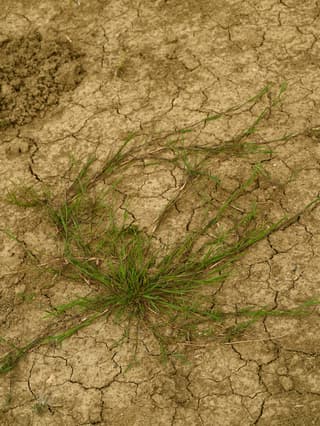
| Creeping bentgrass | Hard | Direct sun | 3d | ✓ |
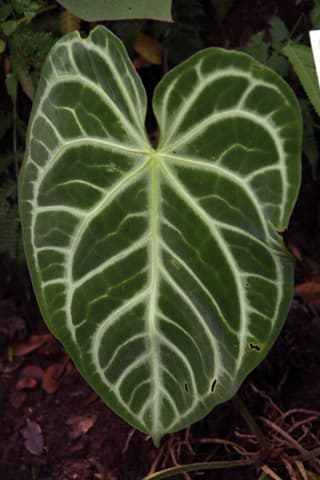
| Crystal Anthurium | Hard | Partial shade | 7d | ⚠️ |
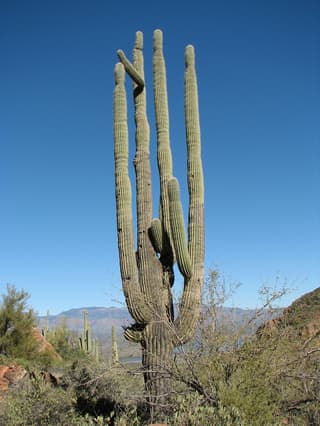
| Saguaro | Hard | Direct sun | 21d | ✓ |
| Delicate violet orchid | Hard | Bright indirect | 2d | ✓ |