Bignoniaceae
China Doll Plant (Radermachera sinica)
Radermachera sinica
Provide bright indirect light (4-5 hours daily). Water when top inch of soil is dry, keeping soil consistently moist but never waterlogged. Maintain humidity above 50% with regular misting. Keep in temperatures between 18-24C and protect from drafts. Feed monthly during growing season.
Every 5 days
Bright indirect
18° - 24°C
50% - 70%
Categories
What is China Doll Plant?
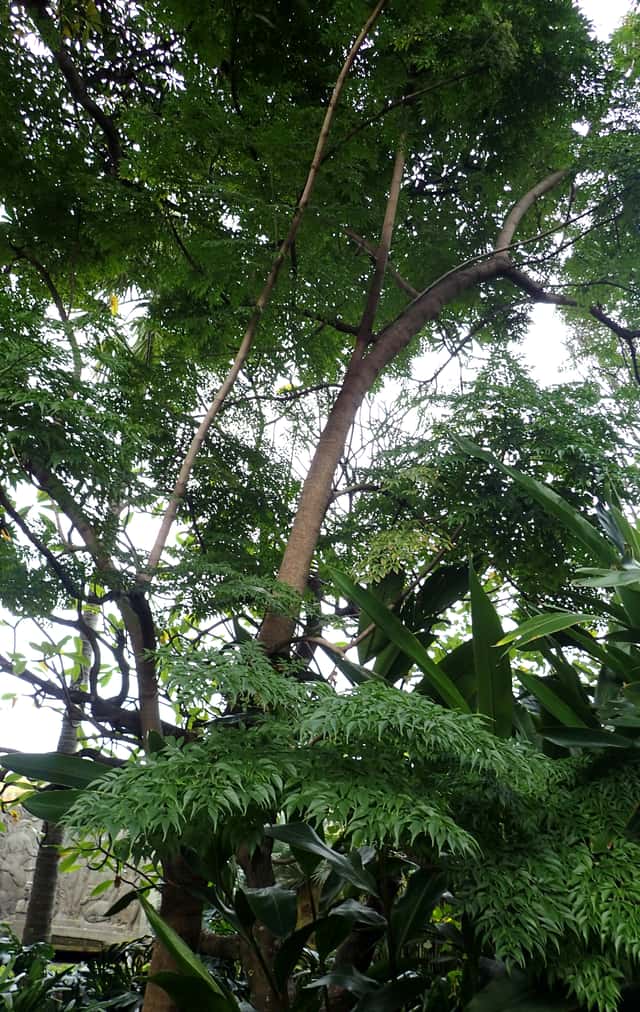
China Doll Plant (Radermachera sinica) is a medium-care plant from the Bignoniaceae family. The China Doll Plant (Radermachera sinica) is an elegant evergreen tree from the Bignoniaceae family, native to southern China and Taiwan. It features glossy, finely divided bipinnate leaves that give it a delicate, lacy appearance. While it can reach up to 30 meters in its natural habitat, as a hou...
China Doll Plant grows up to 1.8m, with spread of 90cm, watering every 5 days, 18°C – 24°C, 50–70% humidity. It is suitable for indoor environments and not safe for pets.
Without precautions, ingestion can cause irritation in pets. Keep out of reach of cats and dogs. Without adequate drainage, root rot can develop within 10 days.
How to Care for China Doll Plant?
TLDR: China Doll Plant needs Bright indirect, watering every 5 days, and temperatures between 18-24°C with 50-70% humidity.
How Often Should You Water China Doll Plant?
Water when the top inch of soil feels dry. Keep soil consistently moist during spring and summer, reducing frequency in fall and winter. Ensure excellent drainage to prevent root rot — never let the plant sit in standing water.
How Much Light Does China Doll Plant Need?
Place in bright, indirect light for at least 4-5 hours daily. Avoid direct harsh sunlight which can scorch the leaves. Low light will cause leggy growth and leaf drop. A spot near an east or west-facing window is ideal.
What Is the Best Soil for China Doll Plant?
Use a well-draining potting mix with a slightly acidic pH (5.5-6.5). A blend of peat moss, perlite, and compost works well. Avoid heavy clay soils that retain too much moisture.
What Pot Should You Use for China Doll Plant?
Use a pot with drainage holes. A standard plastic or ceramic pot works well. Ensure the pot is not too large — only 2-3cm wider than the root ball — as excess soil retains moisture and increases root rot risk.
Care Schedule
Fertilize
Every 30 days
Misting
Every 3 days
Rotate
Every 14 days
Repot
Every 730 days
What Is China Doll Plant and Where Does It Come From?
The China Doll Plant (Radermachera sinica) is an elegant evergreen tree from the Bignoniaceae family, native to southern China and Taiwan. It features glossy, finely divided bipinnate leaves that give it a delicate, lacy appearance. While it can reach up to 30 meters in its natural habitat, as a houseplant it typically grows to 1.2-1.8 meters. It is prized for its ornamental foliage and air-purifying qualities, effectively removing toxins like benzene and formaldehyde from indoor air.
How to Propagate China Doll Plant?
Stem Cutting
Cuttings root best in warm conditions (21-24C). Mist regularly and ensure consistent moisture without waterlogging.
- 1 Select a healthy stem with 2-3 leaf nodes
- 2 Cut below a node using clean, sharp shears
- 3 Remove lower leaves, keeping 2-3 at the top
- 4 Dip the cut end in rooting hormone
- 5 Plant in moist perlite or vermiculite mix
- 6 Cover with a plastic bag to maintain humidity
- 7 Place in bright indirect light and keep moist
Materials needed:
Seed Propagation
Seeds require warmth and consistent humidity to germinate. Use a heat mat if necessary. Damping off is a risk so ensure good air circulation.
- 1 Sow seeds on the surface of moist seed-starting mix
- 2 Cover lightly with a thin layer of vermiculite
- 3 Keep at 21-25C with consistent moisture
- 4 Provide bright indirect light
- 5 Transplant seedlings when they have 2-3 true leaves
Materials needed:
How Big Does China Doll Plant Grow?
TLDR: China Doll Plant can reach up to 1.8m tall with Fast growth rate.
Max height
1.8m
Spread
90cm
Growth rate
Fast
Foliage
Evergreen
Warning: Toxic Plant
This plant can be toxic if ingested. Keep out of reach of:
Plant Uses
Ornamental
Great for decoration
Air Purifying
Improves air quality
Is your plant showing symptoms?
Click on the symptom to discover possible causes:
What Diseases Commonly Affect China Doll Plant?
TLDR: China Doll Plant is susceptible to 9 known diseases. Monitor regularly for early detection.
Root Rot
Root rot is a serious fungal disease that affects the root system of plants, causing them to decay and die. It is primarily caused by overwatering, poor drainage, or soil-borne fungi such as Pythium, Phytophthora, Rhizoctonia, and Fusarium. The disease thrives in waterlogged conditions where roots are deprived of oxygen, making them susceptible to fungal infection.
Spider Mites
Spider mites are tiny arachnids (less than 1/20 inch long) related to spiders and ticks that feed on plant sap. They thrive in hot, dry conditions and can cause significant damage to ornamental and vegetable plants. During severe infestations, crop losses can reach 14% or higher as these pests disrupt vital plant processes including photosynthesis, carbon dioxide absorption, and transpiration.
Mealybugs
Mealybugs are small, soft-bodied insects covered with a white, waxy, cottony material. They are common pests of houseplants and outdoor plants in mild climates. These sap-sucking insects feed on plant tissue, causing damage, stunted growth, and can lead to plant death if left untreated. They produce sticky honeydew which attracts sooty mold.
Aphids
Aphids are small, soft-bodied, pear-shaped insects (1/16 to 1/8 inch long) that feed by sucking nutrient-rich sap from plants. They reproduce rapidly and can quickly weaken plants, causing distorted growth and transmitting plant viruses. Aphids come in various colors including green, black, red, yellow, brown, and gray. They secrete honeydew, a sticky substance that attracts ants and encourages sooty mold growth.
Meaning & Symbolism
Symbolizes resilience, prosperity, and growth. In Feng Shui, it is believed to attract wealth and positive energy when placed in the southeast corner of the home.
Fun Facts
In its native habitat in southern China, the China Doll Plant can grow up to 30 meters tall as a full-sized tree.
The plant is an effective air purifier, removing toxins like benzene and formaldehyde from indoor air.
In Feng Shui, the China Doll Plant is believed to attract wealth and prosperity when placed in the southeast corner of a room.
Despite its delicate appearance, the China Doll Plant is known for its resilience and can adapt to various indoor conditions.
Frequently asked questions
How often should I water my China Doll Plant?
Why is my China Doll Plant dropping leaves?
Is the China Doll Plant toxic to pets?
How much light does a China Doll Plant need?
Compare with similar plants
| Attribute | Difficulty | Light | Watering | Pet Safe |
|---|---|---|---|---|
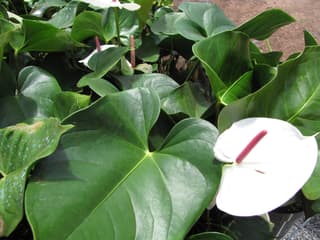
| Flamingo Flower | Medium | Partial shade | 5d | ⚠️ |
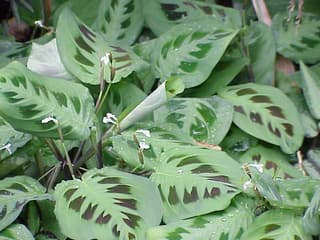
| Prayer Plant | Medium | Partial shade | 3d | ✓ |
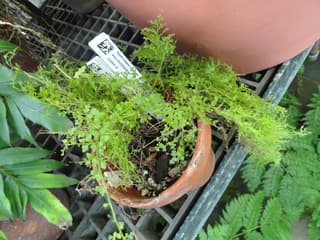
| Boston Fern | Medium | Partial shade | 3d | ✓ |
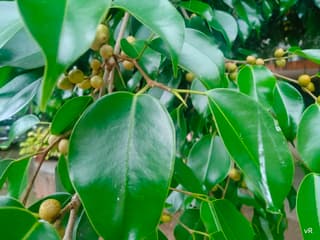
| Weeping Fig | Medium | Partial shade | 10d | ⚠️ |