Rubiaceae
Ashanti Blood (Mussaenda erythrophylla): Care, Growing & Tips
Mussaenda erythrophylla
Ashanti Blood is a sun-loving tropical shrub that requires full direct sunlight, consistent moisture, and high humidity to thrive. Keep the soil moist but well-draining, fertilize every 3 months, and prune regularly to maintain a bushy shape. It is best suited for outdoor tropical and subtropical gardens.
Every 7 days
Bright indirect
18° - 35°C
60% - 90%
Categories
What is Ashanti Blood?
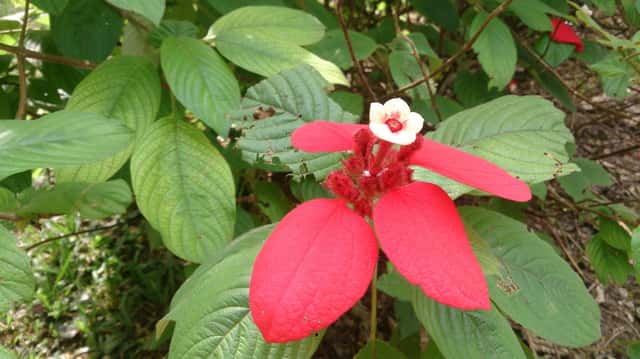
Ashanti Blood (Mussaenda erythrophylla) is a medium-care plant from the Rubiaceae family. Mussaenda erythrophylla, commonly known as Ashanti Blood or Red Flag Bush, is a tropical shrub native to West Africa. It is celebrated for its striking deep red modified leaves (bracts) that surround tiny yellow flowers, creating a dramatic and exotic appearance. This fast-growing ornamental shrub t...
Ashanti Blood grows up to 4.0m, with spread of 250cm, watering every 7 days, 18°C – 35°C, 60–90% humidity. It is not suitable for indoor environments and safe for pets.
Unlike many popular species, Ashanti Blood is safe to keep around pets.
How to Care for Ashanti Blood?
TLDR: Ashanti Blood needs Bright indirect, watering every 7 days, and temperatures between 18-35°C with 60-90% humidity.
How Often Should You Water Ashanti Blood?
Water deeply every 5-9 days, allowing the top 2-3 cm of soil to dry between waterings. Avoid overwatering as it is sensitive to waterlogged soil and root rot. Increase frequency during hot, dry weather.
How Much Light Does Ashanti Blood Need?
Place in full sun with at least 6 hours of direct sunlight daily. A south-facing position is ideal. Avoid deep shade, which inhibits flowering and causes leggy growth.
What Is the Best Soil for Ashanti Blood?
Use a well-draining, slightly acidic to neutral soil mix (pH 6.0-7.0). A blend of sandy loam with added compost and perlite works excellently. Good drainage is essential to prevent root rot.
What Pot Should You Use for Ashanti Blood?
A wide, terracotta or ceramic pot with drainage holes is ideal. Choose a container at least 30-40 cm in diameter for outdoor specimens to accommodate the fast-growing root system.
Care Schedule
Fertilize
Every 90 days
Misting
Every 3 days
Repot
Every 365 days
What Is Ashanti Blood and Where Does It Come From?
Mussaenda erythrophylla, commonly known as Ashanti Blood or Red Flag Bush, is a tropical shrub native to West Africa. It is celebrated for its striking deep red modified leaves (bracts) that surround tiny yellow flowers, creating a dramatic and exotic appearance. This fast-growing ornamental shrub thrives in humid, tropical conditions and is a popular choice for tropical garden borders, hedges, and specimen planting.
How to Propagate Ashanti Blood?
Stem Cutting
Use clean, sharp tools to prevent disease transmission. Maintain warmth above 20°C for best rooting results. A plastic bag tent over the cutting helps retain humidity.
- 1 Select a healthy, non-flowering stem with 2-3 leaf nodes
- 2 Cut a 10-15 cm section just below a node using clean pruning shears
- 3 Remove lower leaves, leaving 2-3 leaves at the top
- 4 Dip the cut end in rooting hormone powder or gel
- 5 Insert into a mix of perlite and moist potting soil
- 6 Place in a warm, bright location with indirect light
- 7 Keep soil consistently moist and mist daily
- 8 Transplant once roots are 2-3 cm long
Materials needed:
How Big Does Ashanti Blood Grow?
TLDR: Ashanti Blood can reach up to 4.0m tall with Fast growth rate.
Max height
4.0m
Spread
2.5m
Growth rate
Fast
Foliage
Evergreen
Plant Uses
Ornamental
Great for decoration
Is your plant showing symptoms?
Click on the symptom to discover possible causes:
What Diseases Commonly Affect Ashanti Blood?
TLDR: Ashanti Blood is susceptible to 8 known diseases. Monitor regularly for early detection.
Root Rot
Root rot is a serious fungal disease that affects the root system of plants, causing them to decay and die. It is primarily caused by overwatering, poor drainage, or soil-borne fungi such as Pythium, Phytophthora, Rhizoctonia, and Fusarium. The disease thrives in waterlogged conditions where roots are deprived of oxygen, making them susceptible to fungal infection.
Overwatering
Overwatering occurs when plants receive too much water, depriving roots of oxygen and causing root rot. This environmental stress is one of the most common causes of houseplant death, as waterlogged soil prevents roots from breathing and functioning properly.
Mealybugs
Mealybugs are small, soft-bodied insects covered with a white, waxy, cottony material. They are common pests of houseplants and outdoor plants in mild climates. These sap-sucking insects feed on plant tissue, causing damage, stunted growth, and can lead to plant death if left untreated. They produce sticky honeydew which attracts sooty mold.
Spider Mites
Spider mites are tiny arachnids (less than 1/20 inch long) related to spiders and ticks that feed on plant sap. They thrive in hot, dry conditions and can cause significant damage to ornamental and vegetable plants. During severe infestations, crop losses can reach 14% or higher as these pests disrupt vital plant processes including photosynthesis, carbon dioxide absorption, and transpiration.
Meaning & Symbolism
In West African cultures, the Ashanti Blood plant symbolizes passion, vitality, and celebration. Its vivid red bracts are associated with life force and joyful occasions.
Fun Facts
Despite looking like petals, the showy red parts of Ashanti Blood are actually modified leaves called bracts, not true flower petals.
In its native West Africa, Mussaenda erythrophylla can grow up to 4 meters tall as a scrambling shrub.
The species name erythrophylla comes from Greek, meaning red-leaved, a perfect description of its vivid crimson bracts.
Ashanti Blood is a member of the Rubiaceae family, which also includes coffee (Coffea arabica) and gardenias.
Frequently asked questions
How often should I water Ashanti Blood?
Does Ashanti Blood need full sun?
Is Mussaenda erythrophylla toxic to pets?
How fast does Ashanti Blood grow?
When does Ashanti Blood flower?
Compare with similar plants
| Attribute | Difficulty | Light | Watering | Pet Safe |
|---|---|---|---|---|
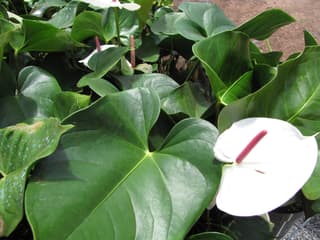
| Flamingo Flower | Medium | Partial shade | 5d | ⚠️ |
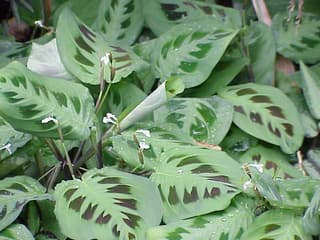
| Prayer Plant | Medium | Partial shade | 3d | ✓ |
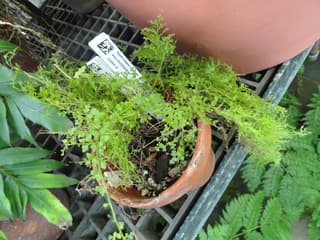
| Boston Fern | Medium | Partial shade | 3d | ✓ |
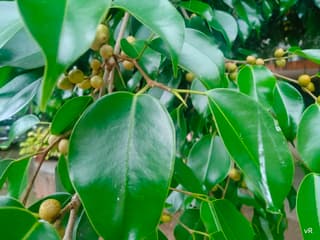
| Weeping Fig | Medium | Partial shade | 10d | ⚠️ |