Strelitziaceae
How to Grow and Care for Strelitzia juncea
Strelitzia juncea
Provide full sun and water sparingly. Allow soil to dry between waterings. Use a very well-draining mix. Fertilize lightly during the growing season. This slow-growing plant rewards patience with spectacular blooms.
Every 9 days
Direct sun
10° - 30°C
40% - 60%
Categories
What is Narrow-Leaved Bird of Paradise?
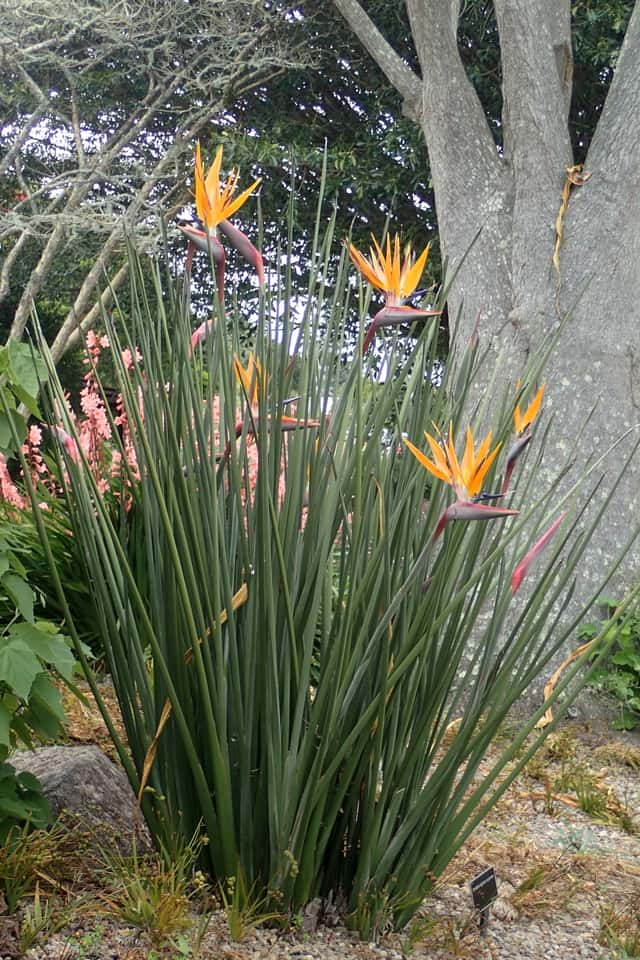
Narrow-Leaved Bird of Paradise (Strelitzia juncea) is a medium-care plant from the Strelitziaceae family. Strelitzia juncea is a striking South African native prized for its dramatic, rush-like cylindrical stems that replace traditional broad leaves. Unlike its famous relative Strelitzia reginae, this species produces upright, reed-like foliage giving it an architectural, minimalist appearance. It produ...
Narrow-Leaved Bird of Paradise grows up to 2.0m, with spread of 100cm, watering every 9 days, 10°C – 30°C, 40–60% humidity. It is suitable for indoor environments and not safe for pets.
Without precautions, ingestion can cause irritation in pets. Keep out of reach of cats and dogs. Without adequate drainage, root rot can develop within 18 days.
How to Care for Narrow-Leaved Bird of Paradise?
TLDR: Narrow-Leaved Bird of Paradise needs Direct sun, watering every 9 days, and temperatures between 10-30°C with 40-60% humidity.
How Often Should You Water Narrow-Leaved Bird of Paradise?
Water every 9–12 days in growing season, allowing the soil to dry out between waterings. In winter, reduce watering significantly. Overwatering is the most common mistake — this plant is highly drought-tolerant.
How Much Light Does Narrow-Leaved Bird of Paradise Need?
Requires full sun — at least 6 hours of direct sunlight daily. Indoors, place within 1 metre of a south- or west-facing window. Insufficient light prevents flowering and weakens the plant.
What Is the Best Soil for Narrow-Leaved Bird of Paradise?
Use a very well-draining mix: combine potting soil with coarse sand or perlite (50:50). Avoid water-retentive soils. A slightly acidic to neutral pH (5.0–7.0) is ideal.
What Pot Should You Use for Narrow-Leaved Bird of Paradise?
Choose a deep, heavy terracotta or ceramic pot with excellent drainage holes. A stable, weighty container prevents tipping as the tall stems mature. The pot should be proportional to the root ball — not too large.
Care Schedule
Fertilize
Every 30 days
Repot
Every 730 days
What Is Narrow-Leaved Bird of Paradise and Where Does It Come From?
Strelitzia juncea is a striking South African native prized for its dramatic, rush-like cylindrical stems that replace traditional broad leaves. Unlike its famous relative Strelitzia reginae, this species produces upright, reed-like foliage giving it an architectural, minimalist appearance. It produces the iconic orange and yellow bird-of-paradise flowers, attracting sunbirds in its natural habitat in the Eastern Cape.
How to Propagate Narrow-Leaved Bird of Paradise?
Rhizome Division
Divisions take at least a year to re-establish and bloom. Handle roots carefully as they are fleshy and brittle.
- 1 Wait until the plant has multiple mature fans
- 2 Remove the plant from its pot and gently separate clumps at the rhizome
- 3 Use a clean, sharp knife to divide if needed
- 4 Dust cut surfaces with fungicide powder
- 5 Pot divisions in well-draining mix and keep lightly moist
Materials needed:
Seed Propagation
Seed germination is slow and irregular. Using gibberellic acid can improve germination rates. Flowering from seed takes 3–4 years.
- 1 Scarify seeds by nicking the seed coat with sandpaper
- 2 Soak seeds in warm water for 24–48 hours
- 3 Sow in moist, well-draining seed mix at 25°C
- 4 Keep warm and evenly moist until germination (1–3 months)
- 5 Transplant seedlings when large enough to handle
Materials needed:
How Big Does Narrow-Leaved Bird of Paradise Grow?
TLDR: Narrow-Leaved Bird of Paradise can reach up to 2.0m tall with Slow growth rate.
Max height
2.0m
Spread
1.0m
Growth rate
Slow
Foliage
Evergreen
Warning: Toxic Plant
This plant can be toxic if ingested. Keep out of reach of:
Plant Uses
Ornamental
Great for decoration
Is your plant showing symptoms?
Click on the symptom to discover possible causes:
What Diseases Commonly Affect Narrow-Leaved Bird of Paradise?
TLDR: Narrow-Leaved Bird of Paradise is susceptible to 6 known diseases. Monitor regularly for early detection.
Root Rot
Root rot is a serious fungal disease that affects the root system of plants, causing them to decay and die. It is primarily caused by overwatering, poor drainage, or soil-borne fungi such as Pythium, Phytophthora, Rhizoctonia, and Fusarium. The disease thrives in waterlogged conditions where roots are deprived of oxygen, making them susceptible to fungal infection.
Spider Mites
Spider mites are tiny arachnids (less than 1/20 inch long) related to spiders and ticks that feed on plant sap. They thrive in hot, dry conditions and can cause significant damage to ornamental and vegetable plants. During severe infestations, crop losses can reach 14% or higher as these pests disrupt vital plant processes including photosynthesis, carbon dioxide absorption, and transpiration.
Mealybugs
Mealybugs are small, soft-bodied insects covered with a white, waxy, cottony material. They are common pests of houseplants and outdoor plants in mild climates. These sap-sucking insects feed on plant tissue, causing damage, stunted growth, and can lead to plant death if left untreated. They produce sticky honeydew which attracts sooty mold.
Thrips
Thrips are tiny cigar-shaped insects (1/25-inch long) that damage plants by sucking plant juices and scraping at fruits, flowers, and leaves. With over 6,000 species and rapid reproduction (lifecycle as short as 14 days), they can quickly infest plants and transmit viruses like tomato spotted wilt virus.
Meaning & Symbolism
In Western cultures, Strelitzia symbolizes freedom, paradise, and a joyful outlook on life. Its exotic flower represents the arrival of good news and tropical splendor.
Fun Facts
Strelitzia juncea is endangered in the wild, occurring naturally only in a small area near Uitenhage and Port Elizabeth in South Africa's Eastern Cape.
Unlike other Strelitzia species, S. juncea has evolved to reduce leaf surface area, minimizing water loss in its hot, dry native habitat.
The flowers are pollinated by sunbirds and sugarbirds, which perch on the spathe and inadvertently transfer pollen while drinking nectar.
Strelitzia juncea can take 3–4 years to produce its first bloom — but once established, it flowers reliably every year from winter through spring.
Frequently asked questions
How often should I water Strelitzia juncea?
Why is my Strelitzia juncea not flowering?
Is Strelitzia juncea toxic to cats and dogs?
What makes Strelitzia juncea different from Strelitzia reginae?
Can Strelitzia juncea grow indoors?
Compare with similar plants
| Attribute | Difficulty | Light | Watering | Pet Safe |
|---|---|---|---|---|
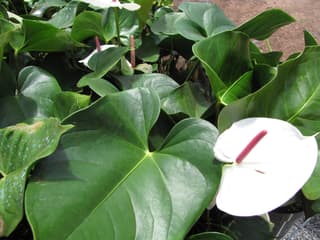
| Flamingo Flower | Medium | Partial shade | 5d | ⚠️ |
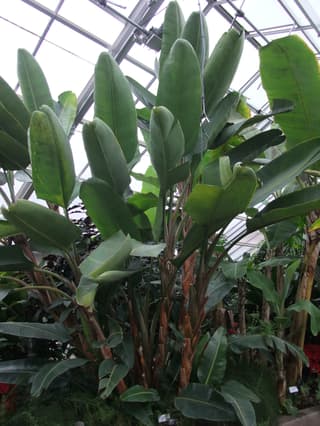
| Giant White Bird of Paradise | Easy | Bright indirect | 10d | ⚠️ |
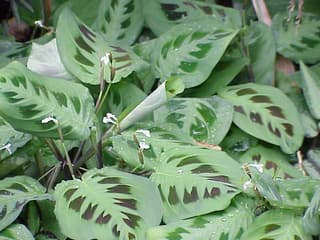
| Prayer Plant | Medium | Partial shade | 3d | ✓ |
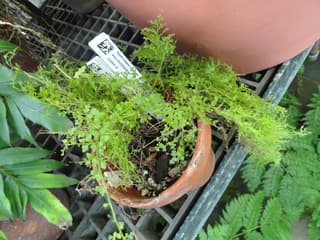
| Boston Fern | Medium | Partial shade | 3d | ✓ |