Musaceae
Banana Plant (Musa sp): Complete Care Guide
Musa sp
The banana plant needs full sun or bright indirect light. Keep the soil consistently moist but never waterlogged. It thrives in warm, humid environments above 10°C. Fertilize regularly during the growing season and protect from cold and wind.
Every 3 days
Direct sun
10° - 38°C
60% - 90%
Categories
What is Banana Plant?
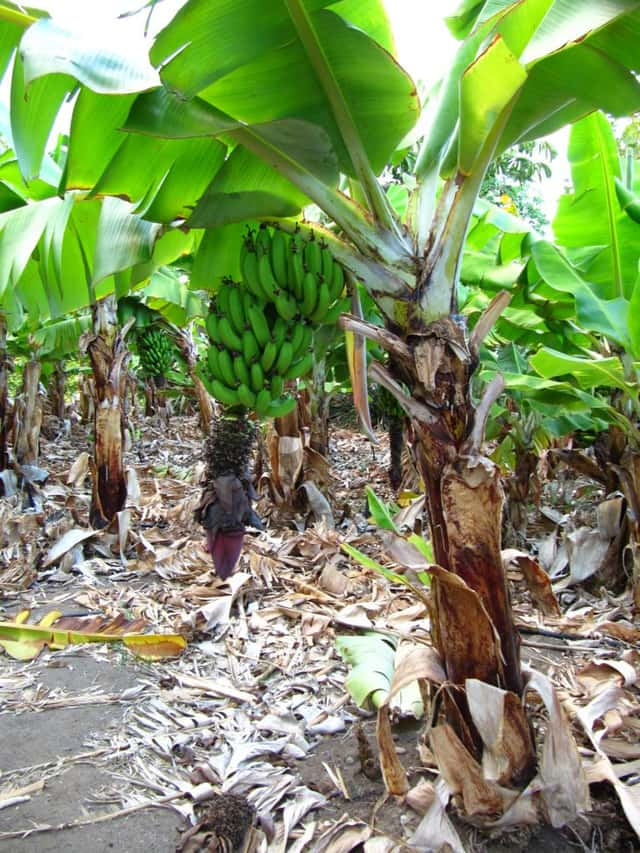
Banana Plant (Musa sp) is a medium-care plant from the Musaceae family. The Banana Plant (Musa sp) is a tropical herbaceous perennial native to Southeast Asia, widely cultivated both for its edible fruit and ornamental value. Its enormous paddle-shaped leaves can reach up to 2 meters long, creating a lush tropical display. Technically not a tree — the pseudostem is form...
Banana Plant grows up to 6.0m, with spread of 250cm, watering every 3 days, 10°C – 38°C, 60–90% humidity. It is suitable for indoor environments and safe for pets.
Unlike many popular species, Banana Plant is safe to keep around pets. Without adequate drainage, root rot can develop within 7 days.
How to Care for Banana Plant?
TLDR: Banana Plant needs Direct sun, watering every 3 days, and temperatures between 10-38°C with 60-90% humidity.
How Often Should You Water Banana Plant?
Water the banana plant 2-3 times per week in summer, keeping soil evenly moist but not soggy. In winter, reduce frequency. Never let the soil dry out completely. A thick layer of organic mulch helps retain moisture around the roots.
How Much Light Does Banana Plant Need?
The banana plant loves full sun — at least 6 hours of direct sunlight per day. Indoors, place it near the brightest window in your home. Avoid deep shade, as this inhibits growth and fruiting.
What Is the Best Soil for Banana Plant?
Use a rich, well-draining, slightly acidic soil (pH 5.5–6.5). A mix of potting soil, organic compost, and coarse sand works well. Avoid compacted clay soils that retain too much water and cause root rot.
What Pot Should You Use for Banana Plant?
Large terracotta or ceramic pot with a minimum diameter of 40 cm and excellent drainage. In the garden, plant directly in well-amended soil in a sunny, wind-sheltered location.
Care Schedule
Fertilize
Every 14 days
Misting
Every 2 days
Repot
Every 730 days
What Is Banana Plant and Where Does It Come From?
The Banana Plant (Musa sp) is a tropical herbaceous perennial native to Southeast Asia, widely cultivated both for its edible fruit and ornamental value. Its enormous paddle-shaped leaves can reach up to 2 meters long, creating a lush tropical display. Technically not a tree — the pseudostem is formed by overlapping leaf sheaths. The plant grows rapidly and produces yellow or colorful flowers followed by fruit clusters.
How to Propagate Banana Plant?
Sucker Division
The best time is in spring when the plant is actively growing. Use clean, sterilized tools to prevent disease transmission.
- 1 Identify a healthy sucker at the base of the mother plant at least 30 cm tall
- 2 Using a sharp spade or knife, separate the sucker along with part of the rhizome
- 3 Plant the sucker in rich, moist soil in a pot or garden bed
- 4 Keep soil moist and in a sunny location until fully established
Materials needed:
How Big Does Banana Plant Grow?
TLDR: Banana Plant can reach up to 6.0m tall with Fast growth rate.
Max height
6.0m
Spread
2.5m
Growth rate
Fast
Foliage
Evergreen
Plant Uses
Ornamental
Great for decoration
Edible
Can be consumed
Culinary Uses
- Banana fruit (raw or dried)
- Plantain (cooked or fried)
- Banana flowers used in Asian cuisine
Is your plant showing symptoms?
Click on the symptom to discover possible causes:
What Diseases Commonly Affect Banana Plant?
TLDR: Banana Plant is susceptible to 11 known diseases. Monitor regularly for early detection.
Root Rot
Root rot is a serious fungal disease that affects the root system of plants, causing them to decay and die. It is primarily caused by overwatering, poor drainage, or soil-borne fungi such as Pythium, Phytophthora, Rhizoctonia, and Fusarium. The disease thrives in waterlogged conditions where roots are deprived of oxygen, making them susceptible to fungal infection.
Fusarium Wilt
Fusarium wilt is a serious fungal disease caused by the soil-borne fungus Fusarium oxysporum. The fungus invades roots and blocks the water-conducting vessels (xylem) of the plant, causing progressive wilting and eventual death. Host-specific forms of the pathogen exist that attack different plant species.
Leaf Spot
Leaf spot is a common fungal disease caused by various pathogens including Alternaria, Ascochyta, Colletotrichum, Septoria, and Venturia. It primarily affects leaves, causing discolored spots that can lead to premature leaf drop if left untreated.
Bacterial Wilt
Bacterial wilt is a fatal vascular disease caused by bacteria (Erwinia tracheiphila, Ralstonia solanacearum, Xanthomonas spp.) that infects the water-conducting tissue of plants. The bacteria multiply and block the flow of water and nutrients, causing rapid wilting and plant death within 1-2 weeks.
Meaning & Symbolism
Symbol of prosperity, fertility, and abundance in Asian and Hindu cultures. In Hindu tradition, the banana plant is associated with the goddess Lakshmi, representing wealth and well-being.
Fun Facts
The banana plant is not technically a tree — its trunk is a pseudostem formed by tightly wrapped leaf sheaths
A banana plant produces only one fruit bunch in its lifetime, then dies and is replaced by suckers
The bananas we eat today are all clones — seedless varieties propagated vegetatively for thousands of years
Southeast Asia is the birthplace of the banana, with cultivation documented over 8,000 years ago in Papua New Guinea
Frequently asked questions
How often should I water my banana plant?
Can a banana plant grow indoors?
Is the banana plant toxic to cats and dogs?
How much sunlight does a banana plant need?
How do you propagate a banana plant?
Compare with similar plants
| Attribute | Difficulty | Light | Watering | Pet Safe |
|---|---|---|---|---|
| Flamingo Flower | Medium | Partial shade | 5d | ⚠️ |
| Prayer Plant | Medium | Partial shade | 3d | ✓ |
| Boston Fern | Medium | Partial shade | 3d | ✓ |
| Weeping Fig | Medium | Partial shade | 10d | ⚠️ |