Musaceae
Scarlet Banana (Musa coccinea): Complete Care Guide
Musa coccinea
Fast-growing tropical plant requiring full sun, regular watering, and fertile well-draining soil. Thrives in heat and humidity. Protect from frost. In cold climates, grow in containers and overwinter indoors in a frost-free location.
Every 7 days
Bright indirect
13° - 35°C
60% - 90%
Categories
What is Scarlet Banana?
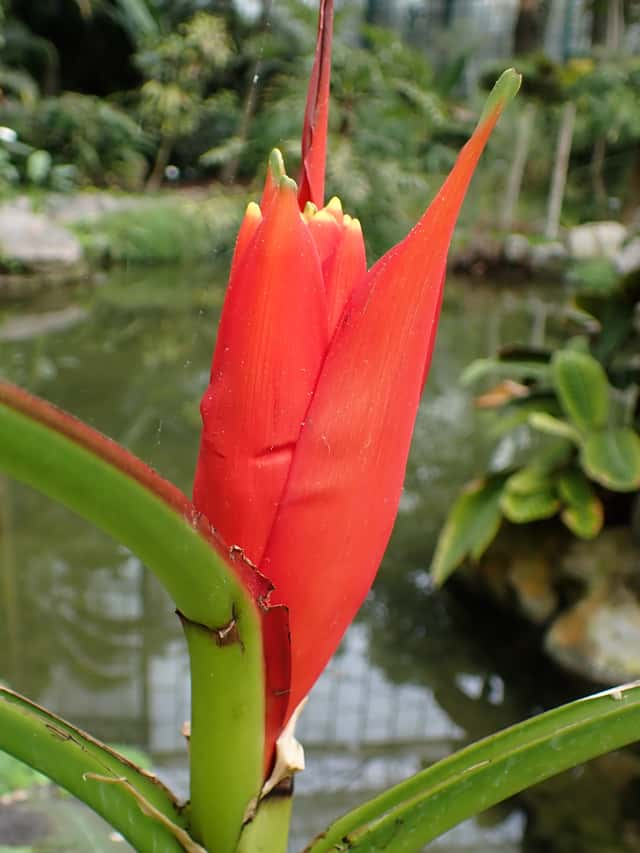
Scarlet Banana (Musa coccinea) is a medium-care plant from the Musaceae family. The Scarlet Banana (Musa coccinea) is a striking tropical plant native to Southeast Asia, particularly Vietnam and southern China. Unlike fruiting bananas, it is grown primarily as an ornamental for its dramatic upright inflorescences featuring vivid scarlet bracts surrounding small yellow flowers....
Scarlet Banana grows up to 2.4m, with spread of 152cm, watering every 7 days, 13°C – 35°C, 60–90% humidity. It is suitable for indoor environments and safe for pets.
Unlike many popular species, Scarlet Banana is safe to keep around pets. Without adequate drainage, root rot can develop within 14 days.
How to Care for Scarlet Banana?
TLDR: Scarlet Banana needs Bright indirect, watering every 7 days, and temperatures between 13-35°C with 60-90% humidity.
How Often Should You Water Scarlet Banana?
Water deeply approximately every 7 days when the top inch of soil is dry. Never let water pool around the roots. Increase frequency during heat waves as the large leaves transpire heavily. Ensure containers have adequate drainage holes.
How Much Light Does Scarlet Banana Need?
Prefers full sun for best flowering. Tolerates partial shade but will produce fewer inflorescences. In very hot, dry climates, some afternoon shade protects leaf edges. Aim for at least 6 hours of direct sunlight daily.
What Is the Best Soil for Scarlet Banana?
Use rich, moisture-retentive yet well-draining soil with slightly acidic to neutral pH (5.5–7.0). Amend with compost and fine bark for clay soils. Never leave in waterlogged soil. Plant on a slight mound in garden beds to aid winter drainage.
What Pot Should You Use for Scarlet Banana?
Large terracotta or plastic pots with generous drainage holes. Use containers at least 16 inches (40 cm) in diameter to accommodate root growth. For garden planting, no pot is needed. Containers are ideal in cold climates for overwintering.
Care Schedule
Fertilize
Every 30 days
Misting
Every 7 days
Rotate
Every 14 days
Repot
Every 365 days
What Is Scarlet Banana and Where Does It Come From?
The Scarlet Banana (Musa coccinea) is a striking tropical plant native to Southeast Asia, particularly Vietnam and southern China. Unlike fruiting bananas, it is grown primarily as an ornamental for its dramatic upright inflorescences featuring vivid scarlet bracts surrounding small yellow flowers. A fast-growing clumping plant, it produces offshoots (pups) readily and creates lush tropical displays in gardens, containers, or as indoor specimens in bright spaces.
How to Propagate Scarlet Banana?
Clump Division
Divide in spring or early summer when the plant is actively growing. Use sterilized tools to prevent disease transmission.
- 1 Identify a healthy pup at least 12 inches tall at the base of the mother plant
- 2 Using a sharp, sterilized spade or knife, separate the pup with its roots
- 3 Plant in a pot with rich, well-draining mix
- 4 Keep in a warm, humid location and water regularly until established
Materials needed:
Seed Propagation
Germination is erratic and may take weeks to months. Use a plastic cover to maintain moisture and warmth.
- 1 Lightly scarify seeds with fine sandpaper to aid germination
- 2 Soak seeds in warm water for 24 hours
- 3 Sow in moist seed mix at 1 cm depth
- 4 Maintain temperature 75–85°F (24–29°C) with high humidity
Materials needed:
How Big Does Scarlet Banana Grow?
TLDR: Scarlet Banana can reach up to 2.4m tall with Fast growth rate.
Max height
2.4m
Spread
1.5m
Growth rate
Fast
Foliage
Evergreen
Plant Uses
Ornamental
Great for decoration
Is your plant showing symptoms?
Click on the symptom to discover possible causes:
What Diseases Commonly Affect Scarlet Banana?
TLDR: Scarlet Banana is susceptible to 9 known diseases. Monitor regularly for early detection.
Aphids
Aphids are small, soft-bodied, pear-shaped insects (1/16 to 1/8 inch long) that feed by sucking nutrient-rich sap from plants. They reproduce rapidly and can quickly weaken plants, causing distorted growth and transmitting plant viruses. Aphids come in various colors including green, black, red, yellow, brown, and gray. They secrete honeydew, a sticky substance that attracts ants and encourages sooty mold growth.
Scale Insects
Scale insects are small sap-sucking pests that appear as brown, shell-like bumps on plant stems and leaves. There are over 25 species, divided into armored (hard) and unarmored (soft) scales. They feed by piercing plant tissue and extracting sap, which weakens the plant and can lead to yellowing, stunted growth, and even death if left untreated. They also excrete honeydew, which attracts ants and promotes sooty mold growth.
Mealybugs
Mealybugs are small, soft-bodied insects covered with a white, waxy, cottony material. They are common pests of houseplants and outdoor plants in mild climates. These sap-sucking insects feed on plant tissue, causing damage, stunted growth, and can lead to plant death if left untreated. They produce sticky honeydew which attracts sooty mold.
Spider Mites
Spider mites are tiny arachnids (less than 1/20 inch long) related to spiders and ticks that feed on plant sap. They thrive in hot, dry conditions and can cause significant damage to ornamental and vegetable plants. During severe infestations, crop losses can reach 14% or higher as these pests disrupt vital plant processes including photosynthesis, carbon dioxide absorption, and transpiration.
Meaning & Symbolism
Symbol of tropical abundance and exotic beauty; associated with warmth and vitality in Southeast Asian cultures.
Fun Facts
It can produce a new leaf every 7 to 10 days during summer under ideal conditions
The vivid scarlet bracts are not true flowers — they are modified leaves protecting the small yellow flowers inside
The Scarlet Banana has received the Award of Garden Merit from the Royal Horticultural Society
Despite being called a banana, its fruits are small, seedy, and not edible
Frequently asked questions
How often should I water my Scarlet Banana?
Is the Scarlet Banana toxic to pets?
How much light does a Scarlet Banana need?
Can I grow Scarlet Banana in a pot?
Why are the leaves on my Scarlet Banana turning brown at the edges?
Compare with similar plants
| Attribute | Difficulty | Light | Watering | Pet Safe |
|---|---|---|---|---|
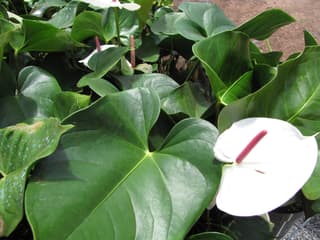
| Flamingo Flower | Medium | Partial shade | 5d | ⚠️ |
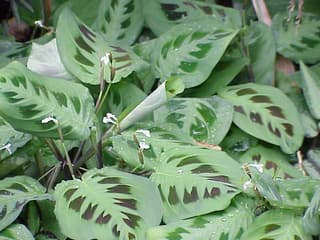
| Prayer Plant | Medium | Partial shade | 3d | ✓ |
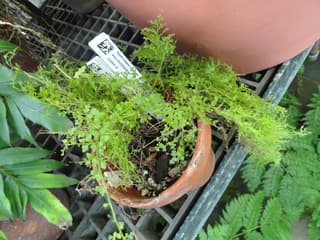
| Boston Fern | Medium | Partial shade | 3d | ✓ |
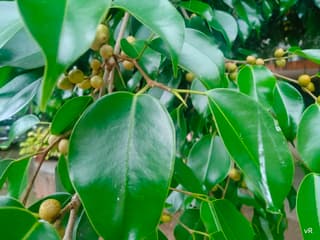
| Weeping Fig | Medium | Partial shade | 10d | ⚠️ |