Lauraceae
Beilschmiedia: Complete Growing Guide
Beilschmiedia
An outdoor tree adapted to humid tropical climates. Prefers well-drained loamy soils rich in organic matter with a slightly acidic pH. Requires regular watering during dry spells, especially during establishment. Thrives in full sun to partial shade.
Every 7 days
Partial shade
5° - 30°C
60% - 90%
Categories
What is Beilschmiedia?
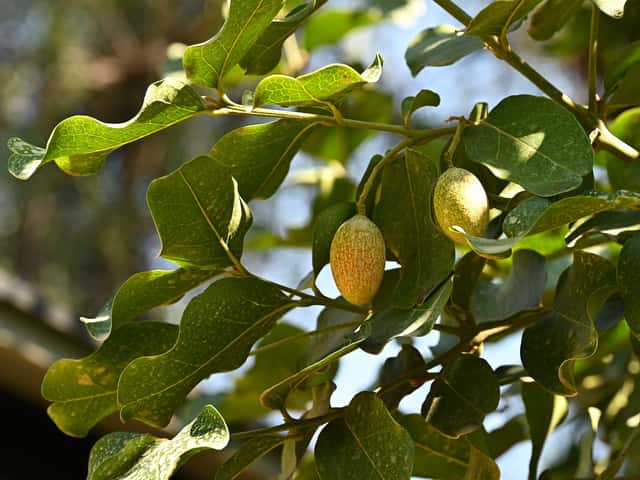
Beilschmiedia (Beilschmiedia) is a medium-care plant from the Lauraceae family. Beilschmiedia is a genus of approximately 268 species of evergreen tropical and subtropical trees in the family Lauraceae. Distributed across the rainforests of Africa, Asia, Oceania, Central America, and South America, these trees are notable for their impressive canopy stature, dark leathery folia...
Beilschmiedia grows up to 25.0m, spread of 800cm, watering every 7 days, 5°C – 30°C, 60–90% humidity. It is not suitable for indoor environments and safe for pets.
Unlike many popular species, Beilschmiedia is safe to keep around pets.
How to Care for Beilschmiedia?
TLDR: Beilschmiedia needs Partial shade, watering every 7 days, and temperatures between 5-30°C with 60-90% humidity.
How Often Should You Water Beilschmiedia?
Water regularly during the first 2 years of establishment. Once established, the tree tolerates short dry periods. Avoid waterlogging — ensure good soil drainage.
How Much Light Does Beilschmiedia Need?
Prefers full sun or partial shade. In natural forest settings, it tolerates understory shade but grows most vigorously with ample light.
What Is the Best Soil for Beilschmiedia?
Plant in loamy, well-drained soil rich in organic matter. Ideal pH 5.5–6.8. Avoid compacted soils or areas prone to waterlogging.
What Pot Should You Use for Beilschmiedia?
Suitable only for outdoor planting in gardens, parks, and open landscapes. Not recommended for container or indoor cultivation due to large mature size.
What Is Beilschmiedia and Where Does It Come From?
Beilschmiedia is a genus of approximately 268 species of evergreen tropical and subtropical trees in the family Lauraceae. Distributed across the rainforests of Africa, Asia, Oceania, Central America, and South America, these trees are notable for their impressive canopy stature, dark leathery foliage, and significant ecological roles as dominant forest species. Notable members include B. tawa and B. tarairi from New Zealand and B. pendula (Pau de remo) from Brazil.
How to Propagate Beilschmiedia?
Seed propagation
Use fresh seeds as viability drops quickly after harvest. Keep the substrate moist but not waterlogged.
- 1 Collect fresh ripe fruits and remove the pulp
- 2 Wash seeds thoroughly
- 3 Sow in moist, well-drained propagation mix
- 4 Keep in a warm, humid environment at 20–28°C
- 5 Transplant seedlings when they reach 15–20 cm
Materials needed:
How Big Does Beilschmiedia Grow?
TLDR: Beilschmiedia can reach up to 25.0m tall with Slow growth rate.
Max height
25.0m
Spread
8.0m
Growth rate
Slow
Foliage
Evergreen
Plant Uses
Ornamental
Great for decoration
Is your plant showing symptoms?
Click on the symptom to discover possible causes:
What Diseases Commonly Affect Beilschmiedia?
TLDR: Beilschmiedia is susceptible to 10 known diseases. Monitor regularly for early detection.
Root Rot
Root rot is a serious fungal disease that affects the root system of plants, causing them to decay and die. It is primarily caused by overwatering, poor drainage, or soil-borne fungi such as Pythium, Phytophthora, Rhizoctonia, and Fusarium. The disease thrives in waterlogged conditions where roots are deprived of oxygen, making them susceptible to fungal infection.
Leaf Spot
Leaf spot is a common fungal disease caused by various pathogens including Alternaria, Ascochyta, Colletotrichum, Septoria, and Venturia. It primarily affects leaves, causing discolored spots that can lead to premature leaf drop if left untreated.
Anthracnose
Anthracnose is a fungal disease caused by fungi in the genus Colletotrichum that affects many plants, including vegetables, fruits, and trees. The disease thrives in cool, wet conditions, causing dark, sunken lesions on leaves, stems, flowers, and fruits.
Canker
Canker is a disease caused by various fungi and bacteria that create necrotic, sunken areas on bark of branches, stems, and trunks. Pathogens enter through wounds and natural openings, especially when plants are stressed. Canker can gradually weaken or kill branches by disrupting water and nutrient flow.
Meaning & Symbolism
In Māori tradition, Beilschmiedia tawa is deeply connected to native forests and was used for tool-making and shelter. In Brazil, B. pendula (Pau-de-remo) symbolizes riparian biodiversity and river-edge forests.
Fun Facts
The Beilschmiedia genus contains around 268 species distributed across the tropics of every inhabited continent.
Beilschmiedia tawa is one of the most common canopy trees in New Zealand native forests.
B. pendula, known as Pau-de-remo, occurs in riparian and gallery forests of the Amazon and Atlantic Forest in Brazil.
Some Beilschmiedia species produce edible fruits that are important food sources for birds and mammals in tropical forests.
Frequently asked questions
Can Beilschmiedia be grown in a pot?
How far apart should Beilschmiedia trees be planted?
How often should I water a young Beilschmiedia?
Is Beilschmiedia toxic?
Compare with similar plants
| Attribute | Difficulty | Light | Watering | Pet Safe |
|---|---|---|---|---|
| Dark Fieldcap | Medium | Low light | 2d | ⚠️ |
| Azalea | Medium | Partial shade | 3d | ⚠️ |
| Bougainvillea | Medium | Direct sun | 7d | ⚠️ |
| Wild Lettuce | Medium | Direct sun | 7d | ⚠️ |



