Phacidiaceae
Black Bulgur: Best for Low Light
Bulgaria inquinans
As a saprophytic fungus, it cannot be cultivated like a plant; it requires decaying hardwood and extremely high, constant humidity in a shaded environment.
Every 2 days
Low light
5° - 22°C
80% - 100%
Categories
What is Black Bulgur?
Black Bulgur (Bulgaria inquinans) is a hard-care plant from the Phacidiaceae family. Bulgaria inquinans, commonly known as the 'black rubber fungus,' is an ascomycete fungus that grows in clusters on recently felled oak logs and other hardwoods. It features a cup-shaped or disc-like fruiting body, shiny black in color with a gelatinous texture when moist, becoming leathery when dry....
Black Bulgur grows up to 4cm, spread of 15cm, watering every 2 days, 5°C – 22°C, 80–100% humidity. It is not suitable for indoor environments and safe for pets.
Unlike easy-care plants, Black Bulgur demands constant attention to humidity and light. Not recommended for beginners. Unlike many popular species, Black Bulgur is safe to keep around pets.
How to Care for Black Bulgur?
TLDR: Black Bulgur needs Low light, watering every 2 days, and temperatures between 5-22°C with 80-100% humidity.
How Often Should You Water Black Bulgur?
Keep the wood substrate saturated; desiccation halts the development of the fruiting body.
How Much Light Does Black Bulgur Need?
Avoid any direct sun exposure; this fungus thrives in deep forest shade.
What Is the Best Soil for Black Bulgur?
Does not use soil; grows exclusively on decaying hardwood.
What Pot Should You Use for Black Bulgur?
Not applicable; must be maintained on hardwood logs (oak or beech).
Care Schedule
Misting
Every 1 days
What Is Black Bulgur and Where Does It Come From?
Bulgaria inquinans, commonly known as the 'black rubber fungus,' is an ascomycete fungus that grows in clusters on recently felled oak logs and other hardwoods. It features a cup-shaped or disc-like fruiting body, shiny black in color with a gelatinous texture when moist, becoming leathery when dry. Its upper surface is smooth and produces black spores that can stain the hands upon contact.
How to Propagate Black Bulgur?
Spore Dispersal
- The wood must have intact bark to retain moisture.
- Success depends on the absence of competing fungi.
- 1 Spore Collection
Place a mature fruiting body on white paper to collect the black spore mass.
- 2 Inoculation
Introduce the spores into crevices of freshly cut, moist oak logs.
- 3 Incubation
Keep the log in a shaded, cool location and mist constantly with water.
Materials needed:
How Big Does Black Bulgur Grow?
TLDR: Black Bulgur can reach up to 4cm tall with Slow growth rate.
Max height
4cm
Spread
15cm
Growth rate
Slow
Plant Uses
Ornamental
Great for decoration
Is your plant showing symptoms?
Click on the symptom to discover possible causes:
Meaning & Symbolism
Represents cyclic decomposition and the renewal of life within the forest.
Compare with similar plants
| Attribute | Difficulty | Light | Watering | Pet Safe |
|---|---|---|---|---|
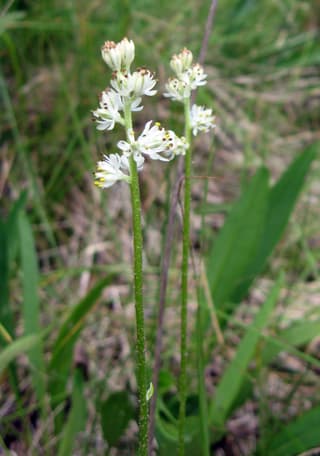
| Sticky false asphodel | Hard | Bright indirect | 1d | ✓ |
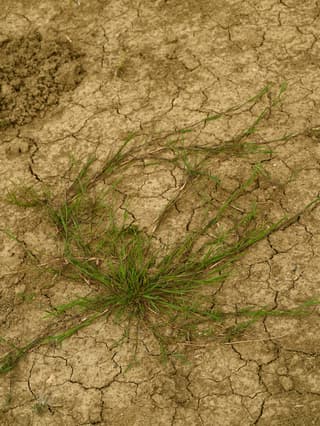
| Creeping bentgrass | Hard | Direct sun | 3d | ✓ |
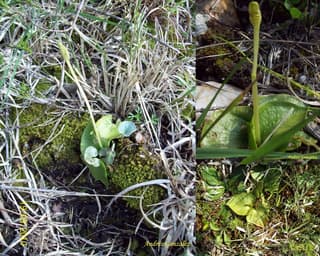
| Bulbous Adder's-tongue | Hard | Partial shade | 4d | ✓ |
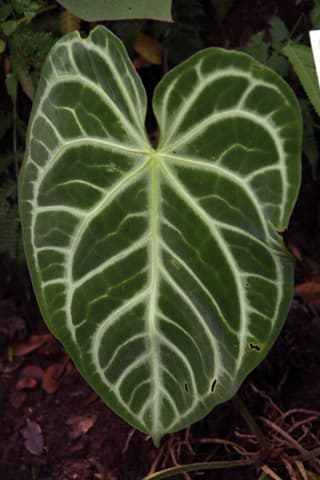
| Crystal Anthurium | Hard | Partial shade | 7d | ⚠️ |