Adoxaceae
Black Elder (Sambucus nigra): The Medicinal Shrub with Edible Flowers and Berries
Sambucus nigra
Black Elder is a vigorous, low-maintenance outdoor shrub that thrives in full sun to partial shade. It prefers moist, nutrient-rich loamy soil and benefits from regular pruning to keep its shape and prevent weedy spreading through root suckers. Water regularly, especially in the first year of establishment. Fertilise lightly in spring. Prune hard in late winter or early spring to encourage healthy new growth and better fruiting.
Every 7 days
Bright indirect
-20° - 35°C
50% - 80%
Categories
What is Black Elder?
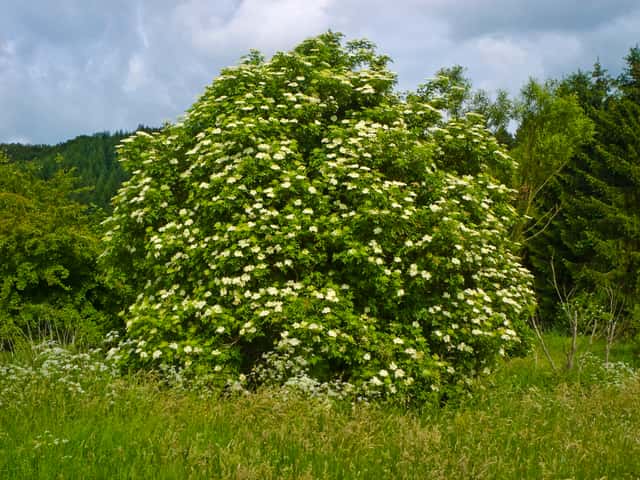
Black Elder (Sambucus nigra) is a medium-care plant from the Adoxaceae family. Sambucus nigra, commonly known as Black Elder or European Elderberry, is a fast-growing deciduous shrub or small tree native to Europe, Western Asia, and Northwest Africa. It produces large, flat-topped clusters of fragrant creamy-white flowers in late spring, followed by drooping bunches of glossy...
Black Elder grows up to 6.0m, spread of 600cm, watering every 7 days, -20°C – 35°C, 50–80% humidity. It is not suitable for indoor environments and not safe for pets.
Without precautions, ingestion can cause irritation in pets. Keep out of reach of cats and dogs.
How to Care for Black Elder?
TLDR: Black Elder needs Bright indirect, watering every 7 days, and temperatures between -20-35°C with 50-80% humidity.
How Often Should You Water Black Elder?
Water young plants regularly (approximately every 7 days) for the first year until established. Once mature, Black Elder tolerates short dry spells but performs best with consistent moisture, especially during flowering and fruiting periods. Avoid waterlogged conditions.
How Much Light Does Black Elder Need?
Black Elder thrives in full sun to partial shade. Full sun (6+ hours daily) is preferred for maximum flowering and berry production. In very hot climates, light afternoon shade can protect against heat stress. Avoid deep shade, which reduces flowering and weakens the plant.
What Is the Best Soil for Black Elder?
Prefers moist, humus-rich, loamy soil. It tolerates clay and is adaptable to a wide range of soil types but grows best in slightly acidic to neutral pH (5.5–6.5). Amend poor soils with compost before planting. Good drainage is important, though it tolerates moderately wet conditions better than most shrubs.
What Pot Should You Use for Black Elder?
Not applicable for outdoor shrubs. When grown in containers (large planters only), use a wide, deep terracotta or glazed ceramic pot with excellent drainage to accommodate the extensive root system.
Care Schedule
Fertilize
Every 90 days
What Is Black Elder and Where Does It Come From?
Sambucus nigra, commonly known as Black Elder or European Elderberry, is a fast-growing deciduous shrub or small tree native to Europe, Western Asia, and Northwest Africa. It produces large, flat-topped clusters of fragrant creamy-white flowers in late spring, followed by drooping bunches of glossy dark purple-black berries in late summer and autumn. The plant is famous for its dual edible and medicinal uses — elderflower cordials and elderberry syrups are beloved across Europe. Important note: all green plant parts (leaves, stems, roots, unripe berries, and raw seeds) are toxic due to cyanogenic glycosides; only fully cooked ripe berries and fresh flowers are safe for consumption.
How to Propagate Black Elder?
Seed
Seeds need cold stratification to break dormancy. Patience is required as germination can be slow and erratic.
- 1 Collect ripe berries in autumn
- 2 Remove pulp and clean seeds thoroughly
- 3 Cold-stratify seeds in moist sand in the refrigerator for 2-3 months
- 4 Sow in seed trays with moist loamy compost in early spring
- 5 Keep moist and in a bright spot; germination takes 3-6 months
Materials needed:
Hardwood Cutting
Hardwood cuttings are the easiest and most reliable propagation method for elderberry. Success rates are very high.
- 1 In late winter, cut healthy pencil-thick stems into 15–20 cm sections
- 2 Ensure each cutting has at least 2 nodes
- 3 Insert cuttings vertically into moist compost, leaving 1-2 buds above soil
- 4 Keep in a sheltered spot or cold frame
- 5 Roots develop in 4-8 weeks; transplant when roots are established
Materials needed:
Root Division
Root division is the fastest way to multiply elderberry plants. Natural suckering means divisions establish quickly.
- 1 In early spring, locate root suckers growing around the base of the plant
- 2 Dig around the sucker to expose the connecting root
- 3 Sever with a sharp spade
- 4 Replant the sucker immediately in its new location
- 5 Water well
Materials needed:
How Big Does Black Elder Grow?
TLDR: Black Elder can reach up to 6.0m tall with Fast growth rate.
Max height
6.0m
Spread
6.0m
Growth rate
Fast
Foliage
Deciduous
Warning: Toxic Plant
This plant can be toxic if ingested. Keep out of reach of:
Plant Uses
Edible
Can be consumed
Medicinal
Medicinal properties
Ornamental
Great for decoration
Medicinal Uses
- Immune support — elderberry syrup and extract are traditionally used to reduce duration and severity of cold and flu symptoms
- Elderflower infusions are used as a mild diaphoretic (promoting perspiration) in traditional European herbal medicine for fevers
- Elderberry is rich in anthocyanins, vitamin C, and antioxidants, supporting general immune health
- Traditional use for sinusitis, upper respiratory infections, and as a natural anti-inflammatory
Culinary Uses
- Elderflower cordial — fresh flower umbels steeped with sugar and lemon to make a fragrant syrup
- Elderberry syrup — cooked ripe berries with honey and spices, popular as a winter remedy
- Elderflower fritters — fresh flower clusters dipped in light batter and fried
- Elderberry wine — fermented ripe berries making a deep-flavoured red wine
- Elderberry jam and jelly — cooked ripe berries set with sugar
- Elderflower pressé — a lightly sparkling elderflower drink popular in the UK
- IMPORTANT: Never consume raw/uncooked berries or any other plant parts (leaves, stems, roots) — they are toxic
Is your plant showing symptoms?
Click on the symptom to discover possible causes:
What Diseases Commonly Affect Black Elder?
TLDR: Black Elder is susceptible to 9 known diseases. Monitor regularly for early detection.
Aphids
Aphids are small, soft-bodied, pear-shaped insects (1/16 to 1/8 inch long) that feed by sucking nutrient-rich sap from plants. They reproduce rapidly and can quickly weaken plants, causing distorted growth and transmitting plant viruses. Aphids come in various colors including green, black, red, yellow, brown, and gray. They secrete honeydew, a sticky substance that attracts ants and encourages sooty mold growth.
Powdery Mildew
Powdery mildew is a common fungal disease caused by various fungi species including Erysiphe, Podosphaera, Oïdium, and Leveillula. It affects over 10,000 plant species worldwide. The disease thrives in warm, dry climates with high humidity and appears as a distinctive white powdery coating on plant surfaces.
Canker
Canker is a disease caused by various fungi and bacteria that create necrotic, sunken areas on bark of branches, stems, and trunks. Pathogens enter through wounds and natural openings, especially when plants are stressed. Canker can gradually weaken or kill branches by disrupting water and nutrient flow.
Leaf Spot
Leaf spot is a common fungal disease caused by various pathogens including Alternaria, Ascochyta, Colletotrichum, Septoria, and Venturia. It primarily affects leaves, causing discolored spots that can lead to premature leaf drop if left untreated.
Meaning & Symbolism
In European folklore, the elder tree was considered sacred and protective. Norse and Germanic traditions spoke of the Elder Mother (Hyldemor), a spirit said to dwell within the tree who would curse those who cut it without permission. The elder symbolises transformation, regeneration, and the boundary between worlds.
Fun Facts
Black Elder can grow into a small tree up to 10 metres tall in ideal wild conditions, though garden specimens are usually kept to 3–6 m with pruning.
The berries are a vital autumn food source for birds — blackcaps, starlings, and thrushes feast on elderberries before migration.
Jelly ear fungus (Auricularia auricula-judae) grows almost exclusively on elder wood and is itself edible when cooked — used in Asian cuisine.
Elderflower cordial has been made in Britain for centuries; St-Germain, the French elderflower liqueur, uses tons of hand-harvested flowers from the Alps each spring.
Frequently asked questions
Are elderberries safe to eat raw?
How fast does Black Elder grow?
When should I prune Black Elder?
Is Black Elder toxic to pets?
What are the medicinal uses of elderberry?
Compare with similar plants
| Attribute | Difficulty | Light | Watering | Pet Safe |
|---|---|---|---|---|
| Dark Fieldcap | Medium | Low light | 2d | ⚠️ |
| Azalea | Medium | Partial shade | 3d | ⚠️ |
| Bougainvillea | Medium | Direct sun | 7d | ⚠️ |
| Wild Lettuce | Medium | Direct sun | 7d | ⚠️ |



