Sapindaceae
Japanese Maple (Acer palmatum): Complete Care Guide
Acer palmatum
Japanese Maple thrives in full sun to partial shade, protected from intense midday sun. It needs fertile, well-draining, slightly acidic soil (pH 5.5–6.5). Water regularly but avoid waterlogging. Annual spring pruning removes dead wood and maintains shape. Hardy to cold, tolerating sub-zero temperatures, but protect from strong dry winds.
Every 7 days
Bright indirect
-20° - 35°C
50% - 70%
Categories
What is Japanese Maple?
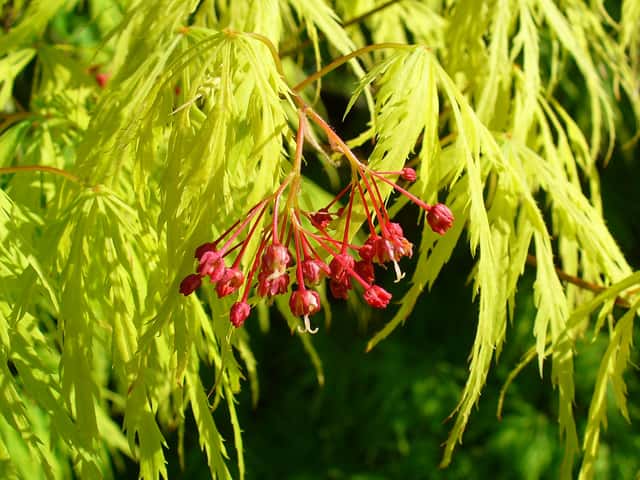
Japanese Maple (Acer palmatum) is a medium-care plant from the Sapindaceae family. The Japanese Maple (Acer palmatum) is an ornamental tree native to Japan, China, and Korea, celebrated for the spectacular beauty of its foliage, which transforms through the seasons — from deep green in spring to vivid shades of red, orange, and yellow in autumn. With an elegant habit and deeply lo...
Japanese Maple grows up to 10.0m, with spread of 600cm, watering every 7 days, -20°C – 35°C, 50–70% humidity. It is not suitable for indoor environments and safe for pets.
Unlike many popular species, Japanese Maple is safe to keep around pets.
How to Care for Japanese Maple?
TLDR: Japanese Maple needs Bright indirect, watering every 7 days, and temperatures between -20-35°C with 50-70% humidity.
How Often Should You Water Japanese Maple?
Water Japanese Maple twice a week during hot periods and reduce frequency in winter. The soil should remain slightly moist but never waterlogged. Container plants need special attention in summer and may need daily watering during very hot days. Always check soil moisture with a finger before watering.
How Much Light Does Japanese Maple Need?
Japanese Maple prefers full sun to partial shade, with at least 6 hours of light daily. Avoid intense midday sun exposure, especially in summer, to prevent scorching of the delicate leaves. In regions with hot summers, afternoon shade is ideal.
What Is the Best Soil for Japanese Maple?
Use fertile soil rich in organic matter with good drainage. The ideal pH is between 5.5 and 6.5 (slightly acidic). Avoid compacted or waterlogged soils. Add organic compost at planting time to enrich the substrate.
Care Schedule
Fertilize
Every 90 days
What Is Japanese Maple and Where Does It Come From?
The Japanese Maple (Acer palmatum) is an ornamental tree native to Japan, China, and Korea, celebrated for the spectacular beauty of its foliage, which transforms through the seasons — from deep green in spring to vivid shades of red, orange, and yellow in autumn. With an elegant habit and deeply lobed palmate leaves, it is one of the most beloved ornamental trees in Asian-style gardens, contemplation gardens, and as a bonsai subject.
How to Propagate Japanese Maple?
By Seeds
Seeds require cold stratification to germinate. The process is slow but results in genetically diverse plants.
- 1 Collect mature seeds in autumn
- 2 Cold-stratify seeds in refrigerator for 60-90 days before planting
- 3 Sow in moist, well-draining soil in spring
- 4 Keep in a sheltered location until germination
- 5 Transplant seedlings when 10-15 cm tall
By Cuttings
Cuttings have a lower success rate than seeds, but produce plants identical to the parent.
- 1 Cut semi-hardwood stems in summer, 10-15 cm long
- 2 Remove lower leaves, leaving 2-3 pairs at the top
- 3 Apply rooting hormone to the base
- 4 Plant in moist, porous substrate
- 5 Keep in a humid environment with indirect light for 6-8 weeks
By Grafting
Commercially preferred method to preserve the characteristics of special cultivars.
- 1 Use a strong-rooted Acer palmatum rootstock
- 2 Perform cleft grafting in winter or early spring
- 3 Secure the graft with grafting tape
- 4 Keep in a humid environment until the union consolidates
- 5 Remove the tape after 4-6 weeks
How Big Does Japanese Maple Grow?
TLDR: Japanese Maple can reach up to 10.0m tall with Slow growth rate.
Max height
10.0m
Spread
6.0m
Growth rate
Slow
Foliage
Deciduous
Plant Uses
Ornamental
Great for decoration
Is your plant showing symptoms?
Click on the symptom to discover possible causes:
What Diseases Commonly Affect Japanese Maple?
TLDR: Japanese Maple is susceptible to 11 known diseases. Monitor regularly for early detection.
Anthracnose
Anthracnose is a fungal disease caused by fungi in the genus Colletotrichum that affects many plants, including vegetables, fruits, and trees. The disease thrives in cool, wet conditions, causing dark, sunken lesions on leaves, stems, flowers, and fruits.
Powdery Mildew
Powdery mildew is a common fungal disease caused by various fungi species including Erysiphe, Podosphaera, Oïdium, and Leveillula. It affects over 10,000 plant species worldwide. The disease thrives in warm, dry climates with high humidity and appears as a distinctive white powdery coating on plant surfaces.
Verticillium Wilt
Verticillium wilt is a soil-borne fungal disease caused primarily by the fungi Verticillium dahliae and V. albo-atrum. These pathogens infect plant roots and grow within the vascular tissues, blocking water and nutrient transport, resulting in wilting and eventual plant death. The disease affects over 350 plant species including vegetables, fruits, ornamental flowers, and trees. The fungi can survive in soil for more than 10 years as resistant structures called microsclerotia.
Aphids
Aphids are small, soft-bodied, pear-shaped insects (1/16 to 1/8 inch long) that feed by sucking nutrient-rich sap from plants. They reproduce rapidly and can quickly weaken plants, causing distorted growth and transmitting plant viruses. Aphids come in various colors including green, black, red, yellow, brown, and gray. They secrete honeydew, a sticky substance that attracts ants and encourages sooty mold growth.
Meaning & Symbolism
No Japão, o bordo japonês simboliza paz, serenidade e a beleza efêmera das estações. É frequentemente associado à prática do momijigari, a contemplação das folhas de outono.
Fun Facts
Acer palmatum has over 1,000 registered cultivars, with extraordinary variations in leaf color, texture, and shape.
In Japan, the practice of admiring colorful maple leaves in autumn is called "momijigari" and is as traditional as cherry blossom viewing in spring.
Some Acer palmatum specimens can live for over 100 years when grown in ideal conditions.
Japanese maple is one of the most used trees in the art of bonsai, capable of being shaped to represent entire landscapes in miniature.
Frequently asked questions
Is Japanese Maple toxic to pets?
Why are my Japanese Maple leaves getting scorched?
How often should I prune Japanese Maple?
Can Japanese Maple be grown in a container?
What colors do Japanese Maple leaves turn?
Compare with similar plants
| Attribute | Difficulty | Light | Watering | Pet Safe |
|---|---|---|---|---|
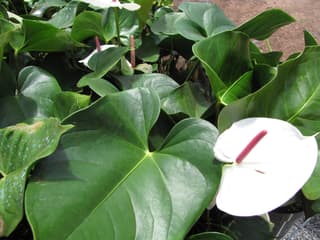
| Flamingo Flower | Medium | Partial shade | 5d | ⚠️ |
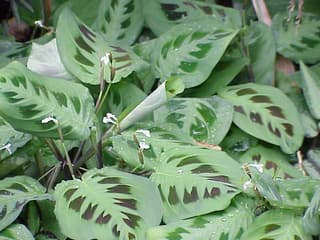
| Prayer Plant | Medium | Partial shade | 3d | ✓ |
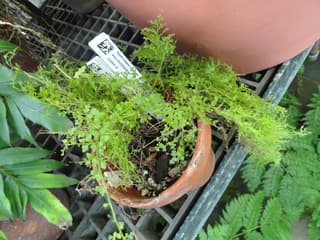
| Boston Fern | Medium | Partial shade | 3d | ✓ |
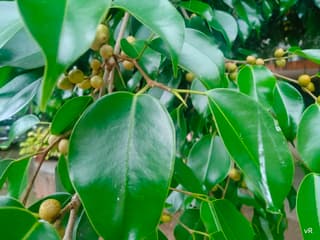
| Weeping Fig | Medium | Partial shade | 10d | ⚠️ |