Theaceae
Japanese Camellia (Camellia japonica): The Elegant Winter-Blooming Shrub
Camellia japonica
Camellia japonica thrives in partial shade with consistently moist, acidic, well-drained soil. Water regularly to keep soil evenly moist, especially during summer when buds form. Feed with ericaceous fertilizer in spring. Prune lightly after flowering. Protect from harsh frost and strong drying winds.
Every 7 days
Partial shade
-5° - 30°C
50% - 70%
Categories
What is Japanese Camellia?
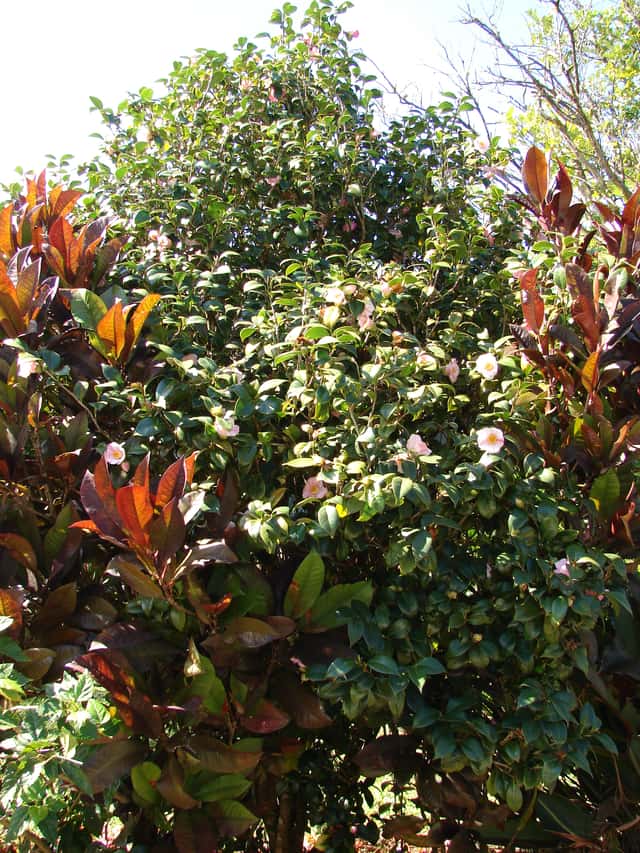
Japanese Camellia (Camellia japonica) is a medium-care plant from the Theaceae family. Camellia japonica, commonly known as the Japanese camellia or common camellia, is an evergreen shrub or small tree native to China, Japan, and Korea. It is celebrated for its stunning, showy flowers in shades of red, pink, and white that bloom from late winter to early spring, brightening gardens wh...
Japanese Camellia grows up to 3.6m, spread of 300cm, watering every 7 days, -5°C – 30°C, 50–70% humidity. It is not suitable for indoor environments and safe for pets.
Unlike many popular species, Japanese Camellia is safe to keep around pets.
How to Care for Japanese Camellia?
TLDR: Japanese Camellia needs Partial shade, watering every 7 days, and temperatures between -5-30°C with 50-70% humidity.
How Often Should You Water Japanese Camellia?
Water every 7 days, or when the top 2 inches of soil feel dry. Rainwater or soft water is preferred in hard-water areas. Avoid waterlogged conditions — overly wet roots invite Phytophthora root rot.
How Much Light Does Japanese Camellia Need?
Plant in dappled or partial shade; morning sun with afternoon shade is ideal. Avoid harsh midday sun, which can scorch flowers and foliage. Sheltered spots with indirect light from structures or taller plants work well.
What Is the Best Soil for Japanese Camellia?
Use acidic, organically rich, well-drained soil with pH 5.5–6.5. Ericaceous (acid) compost is ideal. A mix of garden soil, peat-free ericaceous compost, and perlite improves drainage. Never plant in chalky or waterlogged ground.
What Pot Should You Use for Japanese Camellia?
Choose a wide, deep terracotta or ceramic pot with ample drainage holes. Avoid dark plastic pots that overheat roots. Repot every 2 years in spring, moving up only one pot size at a time.
Care Schedule
Fertilize
Every 90 days
Repot
Every 730 days
What Is Japanese Camellia and Where Does It Come From?
Camellia japonica, commonly known as the Japanese camellia or common camellia, is an evergreen shrub or small tree native to China, Japan, and Korea. It is celebrated for its stunning, showy flowers in shades of red, pink, and white that bloom from late winter to early spring, brightening gardens when little else is flowering. Its glossy, dark green leathery leaves provide year-round ornamental interest.
How to Propagate Japanese Camellia?
Semi-ripe stem cutting
Always use clean, sharp tools. Mist the foliage daily to prevent desiccation and improve success rates.
- 1 Take a 10–15 cm semi-ripe cutting just below a leaf node
- 2 Remove lower leaves, retaining 2–3 at the tip
- 3 Dip the cut end in rooting hormone powder
- 4 Insert into a mix of moist peat-free compost and perlite
- 5 Cover with a clear plastic bag or propagator lid to retain humidity
- 6 Keep at 18–22 °C in bright indirect light
- 7 Check for rooting after 6–8 weeks by gently tugging the cutting
Materials needed:
Ground layering
Ground layering is the easiest propagation method for camellias and yields the highest success rate.
- 1 Select a low, flexible branch
- 2 Nick the bark at the desired rooting point and dust with rooting hormone
- 3 Bend the branch to the ground and peg it down with a U-pin
- 4 Cover the wounded section with moist soil or compost
- 5 Keep the soil consistently moist
- 6 Sever from the parent plant once roots have formed
Materials needed:
How Big Does Japanese Camellia Grow?
TLDR: Japanese Camellia can reach up to 3.6m tall with Slow growth rate.
Max height
3.6m
Spread
3.0m
Growth rate
Slow
Foliage
Evergreen
Plant Uses
Ornamental
Great for decoration
Is your plant showing symptoms?
Click on the symptom to discover possible causes:
What Diseases Commonly Affect Japanese Camellia?
TLDR: Japanese Camellia is susceptible to 8 known diseases. Monitor regularly for early detection.
Phytophthora Root Rot
Disease caused by fungus-like organisms (oomycetes) that live in soil and can survive for years. It affects roots, stem, and crown of plants, being especially severe in waterlogged or poorly drained soils. It is the second most common cause of root rot in trees and shrubs.
Canker
Canker is a disease caused by various fungi and bacteria that create necrotic, sunken areas on bark of branches, stems, and trunks. Pathogens enter through wounds and natural openings, especially when plants are stressed. Canker can gradually weaken or kill branches by disrupting water and nutrient flow.
Leaf Spot
Leaf spot is a common fungal disease caused by various pathogens including Alternaria, Ascochyta, Colletotrichum, Septoria, and Venturia. It primarily affects leaves, causing discolored spots that can lead to premature leaf drop if left untreated.
Scale Insects
Scale insects are small sap-sucking pests that appear as brown, shell-like bumps on plant stems and leaves. There are over 25 species, divided into armored (hard) and unarmored (soft) scales. They feed by piercing plant tissue and extracting sap, which weakens the plant and can lead to yellowing, stunted growth, and even death if left untreated. They also excrete honeydew, which attracts ants and promotes sooty mold growth.
Meaning & Symbolism
In Japanese culture, the camellia (tsubaki) represents resilience, admiration, and understated elegance. Whole blooms falling intact are associated with the samurai spirit and the noble acceptance of fate. In the language of flowers, camellias express deep admiration and longing.
Fun Facts
The camellia is the state flower of Alabama, USA, and holds deep cultural significance in Japan and Korea.
Unlike most flowers, camellias shed their blooms whole rather than petal by petal — in Japanese culture this symbolises the honourable death of a samurai.
The genus Camellia includes around 300 species; Camellia sinensis is the source of the world's most consumed beverage after water — tea.
There are over 30,000 registered camellia cultivars worldwide, with flower forms ranging from simple single to formal double.
Frequently asked questions
How often should I water my camellia?
What soil does Camellia japonica need?
Is the Japanese camellia toxic to pets?
Why are my camellia buds dropping before opening?
When is the best time to prune a camellia?
Compare with similar plants
| Attribute | Difficulty | Light | Watering | Pet Safe |
|---|---|---|---|---|
| Dark Fieldcap | Medium | Low light | 2d | ⚠️ |
| Azalea | Medium | Partial shade | 3d | ⚠️ |
| Bougainvillea | Medium | Direct sun | 7d | ⚠️ |
| Wild Lettuce | Medium | Direct sun | 7d | ⚠️ |



