Rubiaceae
Capirona (Calycophyllum spruceanum): The Amazon Tree That Sheds Its Skin
Calycophyllum spruceanum
Capirona is a robust tree that thrives in full sun and fertile, well-draining soil. It tolerates seasonal flooding but requires regular watering in the first years after planting. Once established, it is highly resilient. It prefers humid tropical climates with temperatures between 15°C and 35°C.
Every 7 days
Direct sun
15° - 35°C
60% - 90%
Categories
What is Capirona?
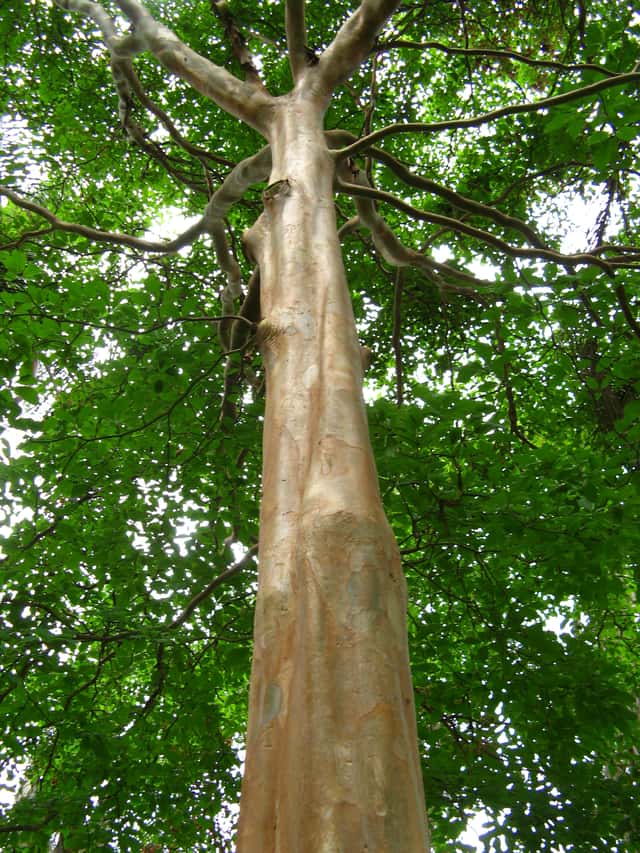
Capirona (Calycophyllum spruceanum) is a medium-care plant from the Rubiaceae family. Capirona (Calycophyllum spruceanum) is a majestic Amazonian canopy tree belonging to the Rubiaceae family. Its most remarkable feature is its smooth, highly polished green-yellow bark that naturally sheds once or twice a year, exposing a fresh, gleaming surface underneath. This unique phenomenon pro...
Capirona grows up to 30.0m, with spread of 600cm, watering every 7 days, 15°C – 35°C, 60–90% humidity. It is not suitable for indoor environments and safe for pets.
Unlike many popular species, Capirona is safe to keep around pets.
How to Care for Capirona?
TLDR: Capirona needs Direct sun, watering every 7 days, and temperatures between 15-35°C with 60-90% humidity.
How Often Should You Water Capirona?
In the first 2-3 years after planting, water regularly every 7 days, keeping the soil evenly moist but not waterlogged. Mature trees are moderately drought-tolerant and can thrive on seasonal rainfall alone, but benefit from supplemental watering during prolonged dry spells.
How Much Light Does Capirona Need?
Requires full sun for healthy development, with at least 6-8 hours of direct sunlight per day. In shaded locations, growth is significantly reduced and the tree loses its most distinctive characteristics.
What Is the Best Soil for Capirona?
Plant in fertile, deep, well-draining soil rich in organic matter. Ideal pH is between 6.0 and 7.5. Avoid compacted soils or areas with poor drainage, as waterlogged roots can compromise seedling development.
Care Schedule
Fertilize
Every 90 days
What Is Capirona and Where Does It Come From?
Capirona (Calycophyllum spruceanum) is a majestic Amazonian canopy tree belonging to the Rubiaceae family. Its most remarkable feature is its smooth, highly polished green-yellow bark that naturally sheds once or twice a year, exposing a fresh, gleaming surface underneath. This unique phenomenon protects the tree from lichens, fungi, epiphytes, and climbing vines, making it exceptionally resistant to pests and diseases. The dense, high-quality timber is prized for construction and woodworking, while the bark and leaves have recognized medicinal properties in traditional Amazonian medicine.
How to Propagate Capirona?
Seed Propagation
Use fine mesh screen over the seedbed to prevent seeds from washing away during irrigation. Seeds are very small and should not be buried deeply.
- 1 Collect fresh seeds between November and December when fruits ripen
- 2 Sow immediately after collection, as seeds lose viability quickly
- 3 Place seeds in a nursery seedbed with light, well-draining substrate, covering only very lightly with soil
- 4 Keep the substrate moist with gentle, frequent watering, protecting from direct sun with shade netting
- 5 Transplant seedlings to plastic bags when they reach 4-6 cm in height
- 6 Keep seedlings in the nursery for 6-8 months until they reach adequate size for permanent planting
Materials needed:
How Big Does Capirona Grow?
TLDR: Capirona can reach up to 30.0m tall with Slow growth rate.
Max height
30.0m
Spread
6.0m
Growth rate
Slow
Foliage
Deciduous
Plant Uses
Ornamental
Great for decoration
Medicinal
Medicinal properties
Medicinal Uses
- Anti-inflammatory
- Antifungal
- Antibacterial
- Traditional skin infection treatment
- Natural cosmetics ingredient
Is your plant showing symptoms?
Click on the symptom to discover possible causes:
What Diseases Commonly Affect Capirona?
TLDR: Capirona is susceptible to 4 known diseases. Monitor regularly for early detection.
Aphids
Aphids are small, soft-bodied, pear-shaped insects (1/16 to 1/8 inch long) that feed by sucking nutrient-rich sap from plants. They reproduce rapidly and can quickly weaken plants, causing distorted growth and transmitting plant viruses. Aphids come in various colors including green, black, red, yellow, brown, and gray. They secrete honeydew, a sticky substance that attracts ants and encourages sooty mold growth.
Scale Insects
Scale insects are small sap-sucking pests that appear as brown, shell-like bumps on plant stems and leaves. There are over 25 species, divided into armored (hard) and unarmored (soft) scales. They feed by piercing plant tissue and extracting sap, which weakens the plant and can lead to yellowing, stunted growth, and even death if left untreated. They also excrete honeydew, which attracts ants and promotes sooty mold growth.
Root Rot
Root rot is a serious fungal disease that affects the root system of plants, causing them to decay and die. It is primarily caused by overwatering, poor drainage, or soil-borne fungi such as Pythium, Phytophthora, Rhizoctonia, and Fusarium. The disease thrives in waterlogged conditions where roots are deprived of oxygen, making them susceptible to fungal infection.
Leaf Spot
Leaf spot is a common fungal disease caused by various pathogens including Alternaria, Ascochyta, Colletotrichum, Septoria, and Venturia. It primarily affects leaves, causing discolored spots that can lead to premature leaf drop if left untreated.
Meaning & Symbolism
In Amazonian culture, the capirona tree is a symbol of renewal and resilience. Its annual bark shedding is seen as a purification ritual — the tree freeing itself from the past and revealing itself anew, glistening and vibrant each cycle.
Fun Facts
The capirona bark is so polished and shiny that Amazonian riverside communities compare it to human skin freshly tanned in the sun.
The tree sheds its bark completely once or twice a year — a unique mechanism that naturally protects it from fungi, lichens, and parasites.
Capirona can sequester up to 22 kg of CO₂ per year, making it valuable for reforestation and carbon offset projects.
Its wood is so dense and durable that it has been used to build traditional Amazonian boats and high-durability tools.
Frequently asked questions
Can I grow a capirona tree in my garden?
How often should I water the capirona tree?
Is the capirona resistant to pests and diseases?
What are the medicinal uses of capirona?
When does the capirona tree flower?
Compare with similar plants
| Attribute | Difficulty | Light | Watering | Pet Safe |
|---|---|---|---|---|
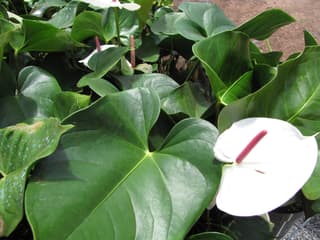
| Flamingo Flower | Medium | Partial shade | 5d | ⚠️ |
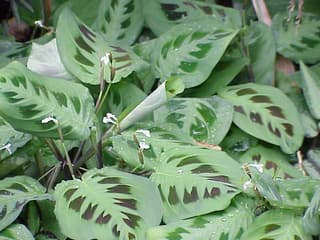
| Prayer Plant | Medium | Partial shade | 3d | ✓ |
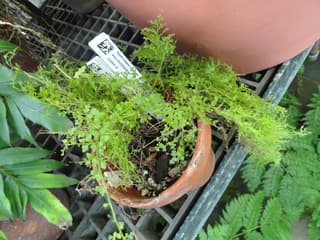
| Boston Fern | Medium | Partial shade | 3d | ✓ |
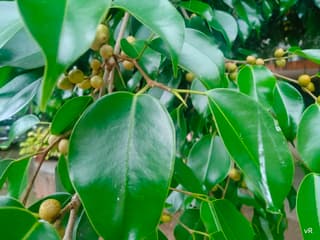
| Weeping Fig | Medium | Partial shade | 10d | ⚠️ |