Solanaceae
Aji Amarillo Pepper (Capsicum baccatum): Complete Care Guide
Capsicum baccatum
An easy-to-moderate plant that demands full sun and consistent but moderate watering. Avoid waterlogged soil and fertilize every 4 weeks during the growing season. Protect from temperatures below 10°C.
Every 7 days
Direct sun
10° - 32°C
50% - 70%
Categories
What is Aji Amarillo Pepper?
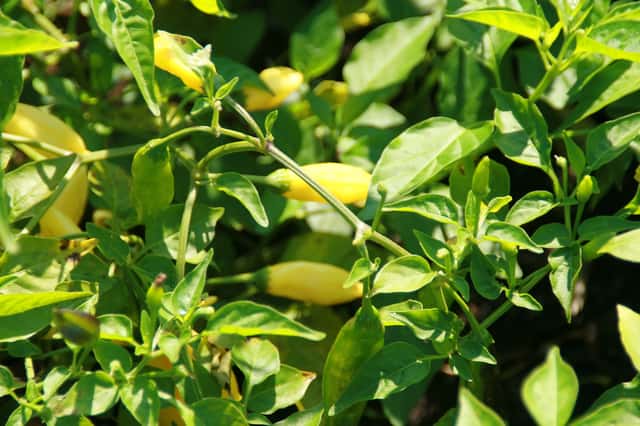
Aji Amarillo Pepper (Capsicum baccatum) is a medium-care plant from the Solanaceae family. Capsicum baccatum, commonly known as aji amarillo, is a South American chili pepper native to Peru and Bolivia. It produces elongated yellow-orange fruits with a fruity flavor and moderate heat, belonging to the Solanaceae family. It can be grown in containers or directly in garden beds and is prize...
Aji Amarillo Pepper grows up to 1.2m, with spread of 60cm, watering every 7 days, 10°C – 32°C, 50–70% humidity. It is suitable for indoor environments and safe for pets.
Unlike many popular species, Aji Amarillo Pepper is safe to keep around pets. Without adequate drainage, root rot can develop within 14 days.
How to Care for Aji Amarillo Pepper?
TLDR: Aji Amarillo Pepper needs Direct sun, watering every 7 days, and temperatures between 10-32°C with 50-70% humidity.
How Often Should You Water Aji Amarillo Pepper?
Water weekly, keeping the soil slightly moist but never soggy. Check that the top inch of soil is dry before watering again. During hot weather, increase frequency as needed.
How Much Light Does Aji Amarillo Pepper Need?
Aji amarillo needs at least 6 to 8 hours of direct sunlight per day. Place in a south-facing spot in the Northern Hemisphere. Low light significantly reduces fruit production.
What Is the Best Soil for Aji Amarillo Pepper?
Use well-draining soil with a mix of potting medium, perlite, and coconut fiber. Ideal pH is 5.5 to 6.5. Avoid compacted or clay-heavy soils that retain too much moisture.
What Pot Should You Use for Aji Amarillo Pepper?
Terracotta or ceramic pots with drainage holes. For fruit production, use pots at least 30 cm in diameter.
Care Schedule
Fertilize
Every 28 days
Repot
Every 365 days
What Is Aji Amarillo Pepper and Where Does It Come From?
Capsicum baccatum, commonly known as aji amarillo, is a South American chili pepper native to Peru and Bolivia. It produces elongated yellow-orange fruits with a fruity flavor and moderate heat, belonging to the Solanaceae family. It can be grown in containers or directly in garden beds and is prized both for culinary use and ornamental appeal.
How to Propagate Aji Amarillo Pepper?
Seed Sowing
Keep substrate lightly moist. Germination occurs in 2 to 4 weeks at suitable temperatures.
- 1 Sow seeds in moist substrate at 20-25 degrees C
- 2 Keep in a warm, bright environment
- 3 Transplant seedlings when they reach 10 cm tall
Materials needed:
Stem Cutting
Keep the environment humid and warm. Change water every 2 days if rooting in water.
- 1 Cut a healthy stem section 15-20 cm long
- 2 Remove lower leaves
- 3 Root in water or moist substrate
Materials needed:
How Big Does Aji Amarillo Pepper Grow?
TLDR: Aji Amarillo Pepper can reach up to 1.2m tall with Medium growth rate.
Max height
1.2m
Spread
60cm
Growth rate
Medium
Foliage
Deciduous
Plant Uses
Edible
Can be consumed
Ornamental
Great for decoration
Medicinal
Medicinal properties
Medicinal Uses
- Natural anti-inflammatory via capsaicin
- Topical pain relief for muscle aches
- Digestive stimulant
Culinary Uses
- Aji amarillo paste
- Peruvian ceviche
- Stews and stir-fries
- Pickles and preserves
- Seasoning for meats and seafood
Is your plant showing symptoms?
Click on the symptom to discover possible causes:
What Diseases Commonly Affect Aji Amarillo Pepper?
TLDR: Aji Amarillo Pepper is susceptible to 9 known diseases. Monitor regularly for early detection.
Aphids
Aphids are small, soft-bodied, pear-shaped insects (1/16 to 1/8 inch long) that feed by sucking nutrient-rich sap from plants. They reproduce rapidly and can quickly weaken plants, causing distorted growth and transmitting plant viruses. Aphids come in various colors including green, black, red, yellow, brown, and gray. They secrete honeydew, a sticky substance that attracts ants and encourages sooty mold growth.
Spider Mites
Spider mites are tiny arachnids (less than 1/20 inch long) related to spiders and ticks that feed on plant sap. They thrive in hot, dry conditions and can cause significant damage to ornamental and vegetable plants. During severe infestations, crop losses can reach 14% or higher as these pests disrupt vital plant processes including photosynthesis, carbon dioxide absorption, and transpiration.
Whiteflies
Whiteflies are small, soft-bodied, winged insects closely related to aphids and mealybugs. They are moth-like in appearance, about 1/16 inch long, triangular in shape, and gray-white in color. These sap-sucking pests feed on plant tissue, causing yellowing, stunted growth, and wilting. They also excrete honeydew, which attracts ants and promotes sooty mold growth. Whiteflies can transmit serious plant viruses.
Powdery Mildew
Powdery mildew is a common fungal disease caused by various fungi species including Erysiphe, Podosphaera, Oïdium, and Leveillula. It affects over 10,000 plant species worldwide. The disease thrives in warm, dry climates with high humidity and appears as a distinctive white powdery coating on plant surfaces.
Meaning & Symbolism
Symbol of South American culinary tradition and vibrant Andean gastronomy.
Fun Facts
Capsicum baccatum was domesticated over 6,000 years ago in Peru and Bolivia
Aji amarillo is considered one of the most important ingredients in Peruvian cuisine
This species shows natural resistance to certain fungal pathogens that affect other Capsicum varieties
Fruits change color from green to yellow-orange or red as they ripen
Frequently asked questions
How often should I water aji amarillo?
Can aji amarillo be grown in a pot?
How much light does aji amarillo need?
Is aji amarillo pepper toxic?
When does aji amarillo produce fruit?
Compare with similar plants
| Attribute | Difficulty | Light | Watering | Pet Safe |
|---|---|---|---|---|
| Flamingo Flower | Medium | Partial shade | 5d | ⚠️ |
| Prayer Plant | Medium | Partial shade | 3d | ✓ |
| Boston Fern | Medium | Partial shade | 3d | ✓ |
| Weeping Fig | Medium | Partial shade | 10d | ⚠️ |