Malvaceae
Chinese Hibiscus: The Complete Hibiscus rosa-sinensis Care Guide
Hibiscus rosa-sinensis
Plant in full sun with at least 6 hours of direct sunlight daily. Water every 3–5 days in summer, reducing in winter. Fertilize every 14 days during the growing season. Light pruning after flowering encourages new growth and more blooms.
Every 4 days
Direct sun
10° - 35°C
50% - 70%
Categories
What is Chinese Hibiscus?
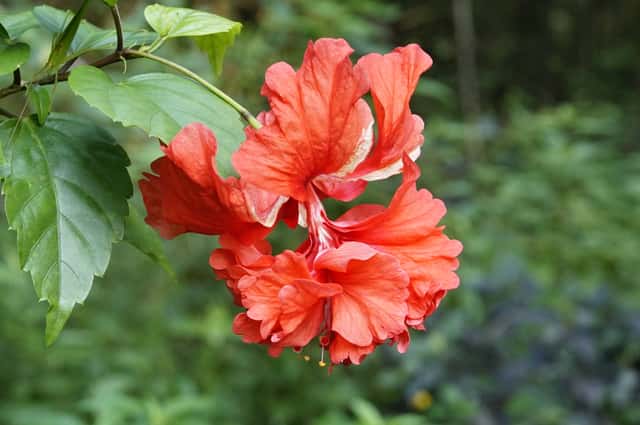
Chinese Hibiscus (Hibiscus rosa-sinensis) is a medium-care plant from the Malvaceae family. Hibiscus rosa-sinensis, commonly known as Chinese Hibiscus or Tropical Hibiscus, is a flowering evergreen shrub in the family Malvaceae, native to tropical Asia. It produces large, showy flowers in a wide range of colors throughout the year and is widely cultivated as an ornamental plant in gardens...
Chinese Hibiscus grows up to 3.0m, spread of 240cm, watering every 4 days, 10°C – 35°C, 50–70% humidity. It is suitable for indoor environments and safe for pets.
Unlike many popular species, Chinese Hibiscus is safe to keep around pets. Without adequate drainage, root rot can develop within 8 days.
How to Care for Chinese Hibiscus?
TLDR: Chinese Hibiscus needs Direct sun, watering every 4 days, and temperatures between 10-35°C with 50-70% humidity.
How Often Should You Water Chinese Hibiscus?
Water every 3–5 days, allowing the top inch of soil to dry slightly between waterings. Avoid waterlogging to prevent root rot.
How Much Light Does Chinese Hibiscus Need?
Requires full sun — at least 6 hours of direct sunlight per day. Indoors, place near a south- or west-facing window for best results.
What Is the Best Soil for Chinese Hibiscus?
Use well-draining soil with a slightly acidic to neutral pH (6.0–7.5). A mix of potting soil, coarse sand, and organic matter works well.
What Pot Should You Use for Chinese Hibiscus?
Terra cotta or ceramic pots with drainage holes. For indoor growing, use larger pots (30–40 cm) to accommodate vigorous growth.
Care Schedule
Fertilize
Every 14 days
Misting
Every 2 days
Repot
Every 365 days
What Is Chinese Hibiscus and Where Does It Come From?
Hibiscus rosa-sinensis, commonly known as Chinese Hibiscus or Tropical Hibiscus, is a flowering evergreen shrub in the family Malvaceae, native to tropical Asia. It produces large, showy flowers in a wide range of colors throughout the year and is widely cultivated as an ornamental plant in gardens and containers worldwide.
How to Propagate Chinese Hibiscus?
Stem Cutting
Use sterilized pruning shears. Keep the medium slightly moist, never waterlogged. Rooting is faster at temperatures above 20°C (68°F).
- 1 Cut a healthy semi-hardwood stem 15–20 cm long
- 2 Remove lower leaves, keeping 2–3 at the top
- 3 Dip the cut end in rooting hormone powder
- 4 Plant in moist, well-draining rooting medium
- 5 Keep in a warm spot with indirect light until rooted
Materials needed:
Seed Propagation
Scarification significantly improves germination rates. Keep the medium consistently moist.
- 1 Lightly scarify the seed with fine sandpaper
- 2 Soak in warm water for 24 hours
- 3 Sow 1 cm deep in moist seed-starting mix
- 4 Maintain temperature between 24–27°C
- 5 Germination occurs in 2–4 weeks
Materials needed:
How Big Does Chinese Hibiscus Grow?
TLDR: Chinese Hibiscus can reach up to 3.0m tall with Fast growth rate.
Max height
3.0m
Spread
2.4m
Growth rate
Fast
Foliage
Evergreen
Plant Uses
Ornamental
Great for decoration
Medicinal
Medicinal properties
Medicinal Uses
- Petals used in herbal teas with diuretic properties
- Flower extracts used in traditional medicine for blood pressure support
Culinary Uses
- Edible petals used in salads and herbal teas
- Flowers used to color beverages and jams
Is your plant showing symptoms?
Click on the symptom to discover possible causes:
What Diseases Commonly Affect Chinese Hibiscus?
TLDR: Chinese Hibiscus is susceptible to 13 known diseases. Monitor regularly for early detection.
Root Rot
Root rot is a serious fungal disease that affects the root system of plants, causing them to decay and die. It is primarily caused by overwatering, poor drainage, or soil-borne fungi such as Pythium, Phytophthora, Rhizoctonia, and Fusarium. The disease thrives in waterlogged conditions where roots are deprived of oxygen, making them susceptible to fungal infection.
Powdery Mildew
Powdery mildew is a common fungal disease caused by various fungi species including Erysiphe, Podosphaera, Oïdium, and Leveillula. It affects over 10,000 plant species worldwide. The disease thrives in warm, dry climates with high humidity and appears as a distinctive white powdery coating on plant surfaces.
Mealybugs
Mealybugs are small, soft-bodied insects covered with a white, waxy, cottony material. They are common pests of houseplants and outdoor plants in mild climates. These sap-sucking insects feed on plant tissue, causing damage, stunted growth, and can lead to plant death if left untreated. They produce sticky honeydew which attracts sooty mold.
Gray Mold (Botrytis Blight)
Gray mold, caused by the fungus Botrytis cinerea, is one of the most common fungal diseases in plants. It affects over 200 plant species, including ornamentals, vegetables, fruits, and houseplants. The disease thrives in cool, humid conditions with poor air circulation, causing grayish spots and soft rot on infected tissues.
Meaning & Symbolism
Symbol of ephemeral beauty and renewal. It is the national flower of Malaysia (Bunga Raya) and represents grace and elegance across many Asian cultures.
Fun Facts
Each hibiscus flower lasts only one day, but the plant can produce dozens of blooms simultaneously
It is the national flower of Malaysia, called Bunga Raya
Hibiscus flowers have been used for centuries in Ayurvedic medicine
The plant can reach up to 3 meters tall when grown in the ground
Frequently asked questions
How often should I water Chinese Hibiscus?
Can Chinese Hibiscus grow indoors?
Why is my Hibiscus not blooming?
Is Chinese Hibiscus toxic to pets?
How do I encourage more flowers?
Compare with similar plants
| Attribute | Difficulty | Light | Watering | Pet Safe |
|---|---|---|---|---|
| Dark Fieldcap | Medium | Low light | 2d | ⚠️ |
| Azalea | Medium | Partial shade | 3d | ⚠️ |
| Bougainvillea | Medium | Direct sun | 7d | ⚠️ |
| Wild Lettuce | Medium | Direct sun | 7d | ⚠️ |



