Ranunculaceae
Hybrid Clematis (Clematis x hybrida): Complete Growing Guide
Clematis x hybrida
Plant in a sunny spot with roots kept cool and shaded. Maintain evenly moist, well-draining soil rich in organic matter. Fertilize every 30 days during the growing season. Annual pruning encourages abundant flowering.
Every 7 days
Bright indirect
-15° - 30°C
50% - 70%
Categories
What is Hybrid Clematis?
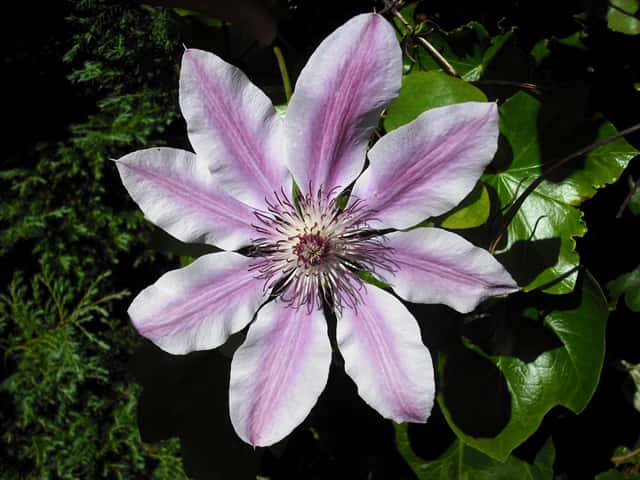
Hybrid Clematis (Clematis x hybrida) is a medium-care plant from the Ranunculaceae family. Clematis x hybrida is a deciduous climbing vine resulting from hybridization of Asian and European clematis species. Renowned for its spectacular large blooms in shades of purple, pink, white, blue, and red — which can reach up to 25 cm in diameter — it is one of the most beloved ornamental climbers...
Hybrid Clematis grows up to 6.0m, with spread of 120cm, watering every 7 days, -15°C – 30°C, 50–70% humidity. It is not suitable for indoor environments and not safe for pets.
Without precautions, ingestion can cause irritation in pets. Keep out of reach of cats and dogs.
How to Care for Hybrid Clematis?
TLDR: Hybrid Clematis needs Bright indirect, watering every 7 days, and temperatures between -15-30°C with 50-70% humidity.
How Often Should You Water Hybrid Clematis?
Water approximately every 7 days, when the top few centimetres of soil feel dry. Avoid waterlogging the roots. Water in the morning so the foliage can dry before nightfall, reducing the risk of fungal diseases.
How Much Light Does Hybrid Clematis Need?
Prefers full sun to partial shade, receiving at least 6 hours of direct sunlight daily. Flowers perform best in full sun, but roots must be kept cool — use mulch or low-growing plants around the base.
What Is the Best Soil for Hybrid Clematis?
Use fertile, well-draining soil rich in organic matter, with a pH of 6.5–7.5. Amend with lime if the soil is too acidic. Avoid heavy clay soils that retain excess moisture around the roots.
What Pot Should You Use for Hybrid Clematis?
Large terracotta or ceramic pots with drainage holes, at least 40 cm deep. Use a trellis or support structure alongside the pot for the vine to climb.
Care Schedule
Fertilize
Every 30 days
What Is Hybrid Clematis and Where Does It Come From?
Clematis x hybrida is a deciduous climbing vine resulting from hybridization of Asian and European clematis species. Renowned for its spectacular large blooms in shades of purple, pink, white, blue, and red — which can reach up to 25 cm in diameter — it is one of the most beloved ornamental climbers in temperate gardens worldwide. It gracefully adorns fences, walls, trellises, and arbors.
How to Propagate Hybrid Clematis?
Semi-hardwood Stem Cutting
Take cuttings in summer using current-year shoots. Keep the substrate lightly moist and avoid direct sunlight until roots form.
- 1 Take a 10–15 cm semi-hardwood cutting with 2–3 pairs of leaves
- 2 Remove the lower leaves, leaving only 1–2 pairs at the tip
- 3 Dip the cut end in rooting hormone powder or gel
- 4 Insert into a light, moist mix of sand and perlite
- 5 Cover with a clear plastic bag to retain humidity and place in indirect light
- 6 Transplant once rooted, after 4–8 weeks
Materials needed:
Ground Layering
Ground layering is the most reliable propagation method for clematis. Perform in spring to take advantage of vigorous growth.
- 1 Select a long, flexible stem still attached to the parent plant
- 2 Bury a section of the stem 5–7 cm deep, leaving both ends above ground
- 3 Pin it in place with a garden staple or stone
- 4 Water regularly until roots develop
- 5 Sever from the parent plant once rooted and transplant
Materials needed:
How Big Does Hybrid Clematis Grow?
TLDR: Hybrid Clematis can reach up to 6.0m tall with Medium growth rate.
Max height
6.0m
Spread
1.2m
Growth rate
Medium
Foliage
Deciduous
Warning: Toxic Plant
This plant can be toxic if ingested. Keep out of reach of:
Plant Uses
Ornamental
Great for decoration
Is your plant showing symptoms?
Click on the symptom to discover possible causes:
What Diseases Commonly Affect Hybrid Clematis?
TLDR: Hybrid Clematis is susceptible to 7 known diseases. Monitor regularly for early detection.
Powdery Mildew
Powdery mildew is a common fungal disease caused by various fungi species including Erysiphe, Podosphaera, Oïdium, and Leveillula. It affects over 10,000 plant species worldwide. The disease thrives in warm, dry climates with high humidity and appears as a distinctive white powdery coating on plant surfaces.
Root Rot
Root rot is a serious fungal disease that affects the root system of plants, causing them to decay and die. It is primarily caused by overwatering, poor drainage, or soil-borne fungi such as Pythium, Phytophthora, Rhizoctonia, and Fusarium. The disease thrives in waterlogged conditions where roots are deprived of oxygen, making them susceptible to fungal infection.
Phytophthora Root Rot
Disease caused by fungus-like organisms (oomycetes) that live in soil and can survive for years. It affects roots, stem, and crown of plants, being especially severe in waterlogged or poorly drained soils. It is the second most common cause of root rot in trees and shrubs.
Aphids
Aphids are small, soft-bodied, pear-shaped insects (1/16 to 1/8 inch long) that feed by sucking nutrient-rich sap from plants. They reproduce rapidly and can quickly weaken plants, causing distorted growth and transmitting plant viruses. Aphids come in various colors including green, black, red, yellow, brown, and gray. They secrete honeydew, a sticky substance that attracts ants and encourages sooty mold growth.
Meaning & Symbolism
Clematis symbolizes ingenuity, mental cleverness, and perseverance in love. In the Victorian language of flowers, it represents beauty, art, and the joy of travel — evoking its natural tendency to climb and explore.
Fun Facts
Clematis flowers can reach up to 25 cm in diameter, making them among the largest of any climbing vine in the world
There are over 300 species of clematis and thousands of hybrid cultivars, ranging in color from pure white to near-black
The name clematis comes from the Greek word "klema", meaning vine-branch or twig
In medieval Europe, beggars rubbed clematis sap on their skin to create sores and gain sympathy — earning it the nickname "beggar herb"
Frequently asked questions
How often should I water Clematis?
Is Clematis toxic to pets?
When should I prune my Clematis?
Why is my Clematis not blooming?
Can I grow Clematis in a container?
Compare with similar plants
| Attribute | Difficulty | Light | Watering | Pet Safe |
|---|---|---|---|---|
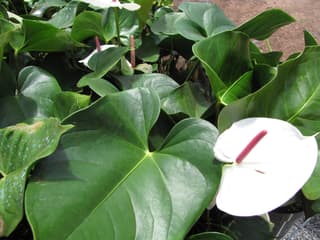
| Flamingo Flower | Medium | Partial shade | 5d | ⚠️ |
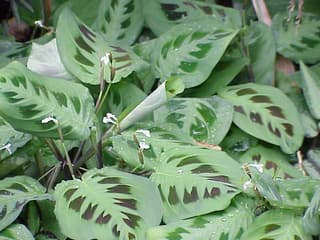
| Prayer Plant | Medium | Partial shade | 3d | ✓ |
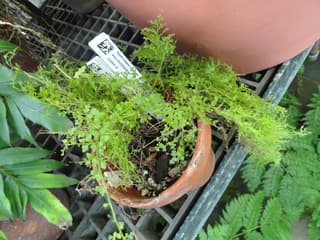
| Boston Fern | Medium | Partial shade | 3d | ✓ |
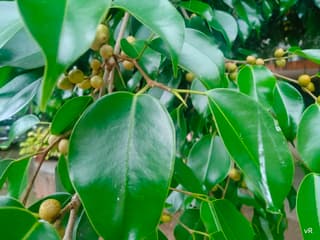
| Weeping Fig | Medium | Partial shade | 10d | ⚠️ |