Fabaceae
Cockspur Coral Tree (Erythrina crista-galli): How to Grow and Care
Erythrina crista-galli
The Cockspur Coral Tree is a low-maintenance species that thrives in full sun. Water every 14 days, allowing the soil to dry between waterings. It tolerates drought once established and adapts to a wide pH range. Fertilize every 2 months during the growing season and prune annually to maintain shape and encourage flowering.
Every 14 days
Direct sun
5° - 35°C
40% - 70%
Categories
What is Cockspur Coral Tree?
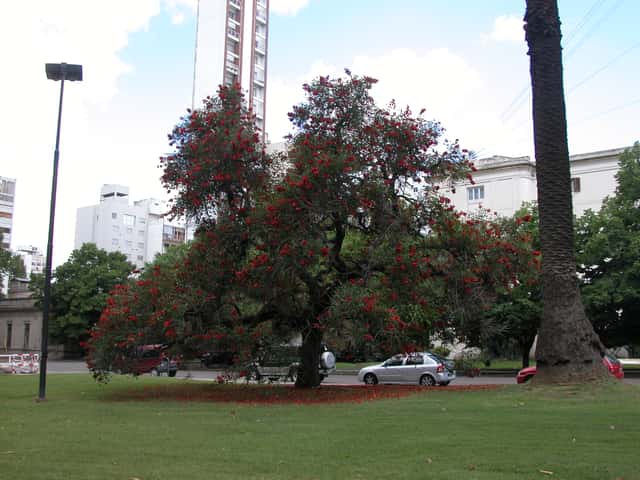
Cockspur Coral Tree (Erythrina crista-galli) is a medium-care plant from the Fabaceae family. The Cockspur Coral Tree (Erythrina crista-galli) is a deciduous flowering tree native to South America — Brazil, Argentina, and Uruguay. Belonging to the Fabaceae family, it produces spectacular crimson-red, velvety flowers in drooping clusters up to 60 cm long during spring and summer. It is the na...
Cockspur Coral Tree grows up to 8.0m, with spread of 500cm, watering every 14 days, 5°C – 35°C, 40–70% humidity. It is not suitable for indoor environments and not safe for pets.
Without precautions, ingestion can cause irritation in pets. Keep out of reach of cats and dogs.
How to Care for Cockspur Coral Tree?
TLDR: Cockspur Coral Tree needs Direct sun, watering every 14 days, and temperatures between 5-35°C with 40-70% humidity.
How Often Should You Water Cockspur Coral Tree?
Water every 14 days, keeping soil slightly moist during spring and summer. Reduce watering in fall and winter. The Coral Tree tolerates drought better than overwatering — never let roots sit in waterlogged soil.
How Much Light Does Cockspur Coral Tree Need?
This species requires full sun — at least 6-8 hours of direct sunlight per day — for abundant flowering. In partial shade, blooms will be sparse and growth less vigorous.
What Is the Best Soil for Cockspur Coral Tree?
Prefers loamy, organically rich, well-draining soil. Tolerates clay and chalk soils if drainage is adequate. Ideal pH range is 5.5-7.5. Avoid waterlogged soils which promote root rot.
What Pot Should You Use for Cockspur Coral Tree?
Large ceramic or stone containers work for terraces. In gardens, plant directly in the ground to allow full root system development.
Care Schedule
Fertilize
Every 60 days
What Is Cockspur Coral Tree and Where Does It Come From?
The Cockspur Coral Tree (Erythrina crista-galli) is a deciduous flowering tree native to South America — Brazil, Argentina, and Uruguay. Belonging to the Fabaceae family, it produces spectacular crimson-red, velvety flowers in drooping clusters up to 60 cm long during spring and summer. It is the national tree of Argentina and its flower is the national flower of both Argentina and Uruguay.
How to Propagate Cockspur Coral Tree?
Seed propagation
Scarification is essential to overcome seed dormancy. Keep substrate lightly moist but never waterlogged.
- 1 Scarify seeds with sandpaper or soak in hot water for 24 hours to break dormancy
- 2 Sow in well-drained, moist seed-starting mix
- 3 Keep in a warm location (20-25°C) with good light
- 4 Transplant to individual pots once true leaves appear
Materials needed:
Stem cutting
Use sterilized tools. Cover with a plastic bag to maintain humidity during rooting.
- 1 Cut semi-hardwood stems of 20-30 cm with at least 2-3 nodes
- 2 Remove lower leaves and dip base in rooting hormone
- 3 Insert in moist, well-draining substrate
- 4 Keep in bright indirect light with high humidity until rooted
Materials needed:
How Big Does Cockspur Coral Tree Grow?
TLDR: Cockspur Coral Tree can reach up to 8.0m tall with Medium growth rate.
Max height
8.0m
Spread
5.0m
Growth rate
Medium
Foliage
Deciduous
Warning: Toxic Plant
This plant can be toxic if ingested. Keep out of reach of:
Plant Uses
Ornamental
Great for decoration
Medicinal Uses
- Bark alkaloids studied for sedative and analgesic properties in scientific research
Is your plant showing symptoms?
Click on the symptom to discover possible causes:
What Diseases Commonly Affect Cockspur Coral Tree?
TLDR: Cockspur Coral Tree is susceptible to 6 known diseases. Monitor regularly for early detection.
Root Rot
Root rot is a serious fungal disease that affects the root system of plants, causing them to decay and die. It is primarily caused by overwatering, poor drainage, or soil-borne fungi such as Pythium, Phytophthora, Rhizoctonia, and Fusarium. The disease thrives in waterlogged conditions where roots are deprived of oxygen, making them susceptible to fungal infection.
Powdery Mildew
Powdery mildew is a common fungal disease caused by various fungi species including Erysiphe, Podosphaera, Oïdium, and Leveillula. It affects over 10,000 plant species worldwide. The disease thrives in warm, dry climates with high humidity and appears as a distinctive white powdery coating on plant surfaces.
Aphids
Aphids are small, soft-bodied, pear-shaped insects (1/16 to 1/8 inch long) that feed by sucking nutrient-rich sap from plants. They reproduce rapidly and can quickly weaken plants, causing distorted growth and transmitting plant viruses. Aphids come in various colors including green, black, red, yellow, brown, and gray. They secrete honeydew, a sticky substance that attracts ants and encourages sooty mold growth.
Scale Insects
Scale insects are small sap-sucking pests that appear as brown, shell-like bumps on plant stems and leaves. There are over 25 species, divided into armored (hard) and unarmored (soft) scales. They feed by piercing plant tissue and extracting sap, which weakens the plant and can lead to yellowing, stunted growth, and even death if left untreated. They also excrete honeydew, which attracts ants and promotes sooty mold growth.
Meaning & Symbolism
National symbol of Argentina and Uruguay, the Cockspur Coral Tree represents strength, resilience, and the vibrant beauty of South American flora.
Fun Facts
It is the national tree of Argentina and its flower is the national flower of both Argentina and Uruguay
Can reach up to 8 meters tall with a canopy spread of up to 5 meters
The crimson flowers attract hummingbirds and butterflies with their abundant nectar
The name crista-galli means 'cock's comb' in Latin, referring to the shape of the flowers
Frequently asked questions
How often should I water the Cockspur Coral Tree?
Does the Coral Tree need full sun?
Is the Cockspur Coral Tree toxic to pets?
When does the Coral Tree bloom?
Can I grow the Coral Tree in a pot?
Compare with similar plants
| Attribute | Difficulty | Light | Watering | Pet Safe |
|---|---|---|---|---|
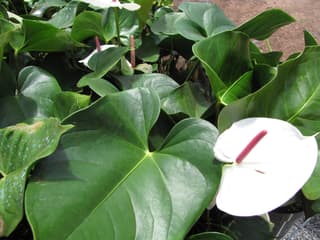
| Flamingo Flower | Medium | Partial shade | 5d | ⚠️ |
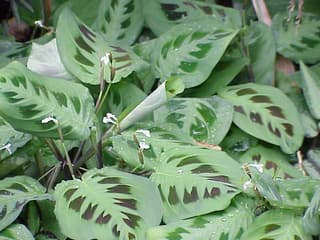
| Prayer Plant | Medium | Partial shade | 3d | ✓ |
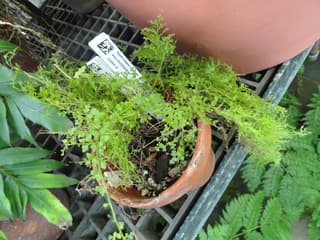
| Boston Fern | Medium | Partial shade | 3d | ✓ |
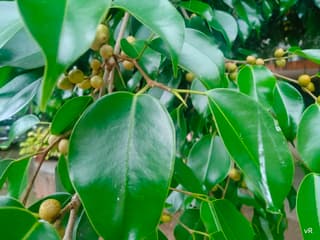
| Weeping Fig | Medium | Partial shade | 10d | ⚠️ |