Plantaginaceae
Common Foxglove (Digitalis purpurea): Complete Growing Guide
Digitalis purpurea
Plant in partial to full sun in cool climates. Keep soil consistently moist but well-drained. Water regularly without waterlogging. Fertilize monthly during spring and summer. Deadhead spent flowers to extend blooming. Biennial: flowers appear in the second year.
Every 7 days
Bright indirect
-20° - 30°C
50% - 70%
Categories
What is Common Foxglove?
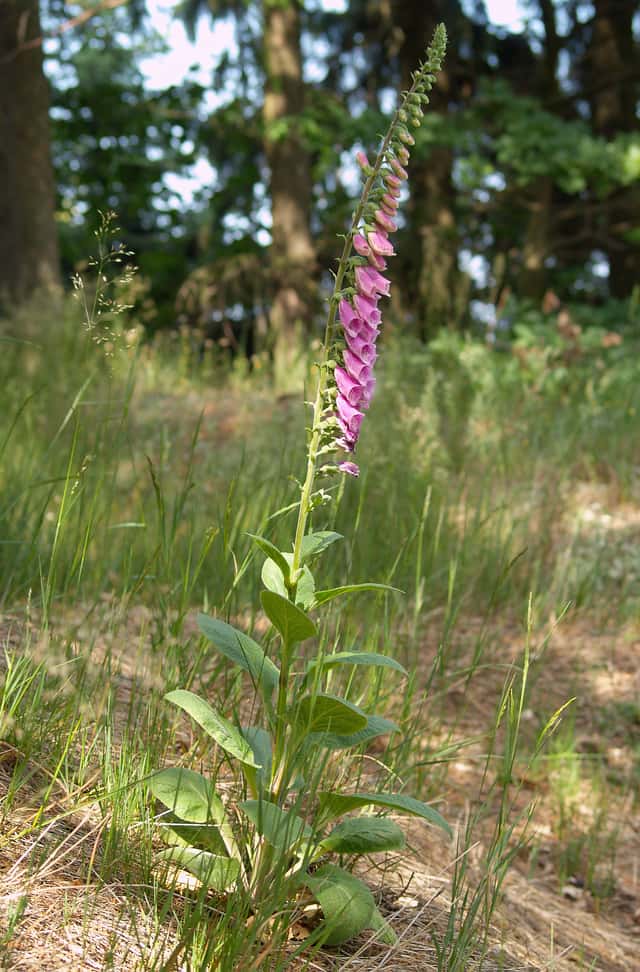
Common Foxglove (Digitalis purpurea) is a medium-care plant from the Plantaginaceae family. Common Foxglove (Digitalis purpurea) is a striking European biennial renowned for its tall spires of tubular flowers in shades of purple, pink, white, and cream. In its first year it forms a low rosette of leaves; in the second year it sends up dramatic flowering stalks reaching 1.5 meters tall. Bel...
Common Foxglove grows up to 1.5m, with spread of 60cm, watering every 7 days, -20°C – 30°C, 50–70% humidity. It is not suitable for indoor environments and not safe for pets.
Without precautions, ingestion can cause irritation in pets. Keep out of reach of cats and dogs.
How to Care for Common Foxglove?
TLDR: Common Foxglove needs Bright indirect, watering every 7 days, and temperatures between -20-30°C with 50-70% humidity.
How Often Should You Water Common Foxglove?
Water every 5-7 days when the top inch of soil feels dry. Water at the base of the plant to prevent fungal diseases. Avoid waterlogged soil which can lead to root rot.
How Much Light Does Common Foxglove Need?
Thrives in full sun to partial shade. In hotter climates, provide afternoon shade to prevent heat stress. In cool climates, full sun exposure is fine.
What Is the Best Soil for Common Foxglove?
Use well-draining soil rich in organic matter, slightly acidic (pH 5.5-6.5). Amend heavy clay soils with compost and sand. Good drainage is essential to prevent root rot.
What Pot Should You Use for Common Foxglove?
Large terracotta or ceramic pot (minimum 30cm diameter) with drainage holes. In the garden, plant in enriched border soil. May need staking in windy locations due to tall flower spikes.
Care Schedule
Fertilize
Every 30 days
What Is Common Foxglove and Where Does It Come From?
Common Foxglove (Digitalis purpurea) is a striking European biennial renowned for its tall spires of tubular flowers in shades of purple, pink, white, and cream. In its first year it forms a low rosette of leaves; in the second year it sends up dramatic flowering stalks reaching 1.5 meters tall. Beloved in cottage gardens, it is highly toxic yet historically invaluable as the source of cardiac glycosides used in modern medicine.
How to Propagate Common Foxglove?
Seed Sowing
Seeds are tiny — mix with sand for even distribution. Foxglove self-seeds readily, creating a naturalized planting that flowers every year.
- 1 Sow seeds on the surface of moist potting mix without covering — they need light to germinate
- 2 Keep in a bright location at 15-20°C (59-68°F)
- 3 Transplant seedlings when they have 4-6 true leaves
- 4 Space plants at least 45-60 cm (18-24 inches) apart
Materials needed:
How Big Does Common Foxglove Grow?
TLDR: Common Foxglove can reach up to 1.5m tall with Medium growth rate.
Max height
1.5m
Spread
60cm
Growth rate
Medium
Foliage
Deciduous
Warning: Toxic Plant
This plant can be toxic if ingested. Keep out of reach of:
Plant Uses
Ornamental
Great for decoration
Medicinal
Medicinal properties
Medicinal Uses
- Historical source of digoxin and digitoxin used in treatment of heart failure and arrhythmias (medical prescription only)
Is your plant showing symptoms?
Click on the symptom to discover possible causes:
What Diseases Commonly Affect Common Foxglove?
TLDR: Common Foxglove is susceptible to 7 known diseases. Monitor regularly for early detection.
Powdery Mildew
Powdery mildew is a common fungal disease caused by various fungi species including Erysiphe, Podosphaera, Oïdium, and Leveillula. It affects over 10,000 plant species worldwide. The disease thrives in warm, dry climates with high humidity and appears as a distinctive white powdery coating on plant surfaces.
Downy Mildew
Downy mildew is a fungal-like disease caused by oomycetes (water molds) that thrives in cool, wet conditions. It affects a wide range of plants, causing yellowing leaves with fuzzy white-gray growth underneath, leading to defoliation and reduced yields if left untreated.
Aphids
Aphids are small, soft-bodied, pear-shaped insects (1/16 to 1/8 inch long) that feed by sucking nutrient-rich sap from plants. They reproduce rapidly and can quickly weaken plants, causing distorted growth and transmitting plant viruses. Aphids come in various colors including green, black, red, yellow, brown, and gray. They secrete honeydew, a sticky substance that attracts ants and encourages sooty mold growth.
Spider Mites
Spider mites are tiny arachnids (less than 1/20 inch long) related to spiders and ticks that feed on plant sap. They thrive in hot, dry conditions and can cause significant damage to ornamental and vegetable plants. During severe infestations, crop losses can reach 14% or higher as these pests disrupt vital plant processes including photosynthesis, carbon dioxide absorption, and transpiration.
Meaning & Symbolism
In the language of flowers, foxglove symbolizes insincerity and falsehood. It is also powerfully associated with healing and medicine, as it was the historical source of digoxin used to treat heart conditions.
Fun Facts
Foxglove was the source of the discovery of digoxin in 1785 by physician William Withering, revolutionizing heart disease treatment
The name foxglove refers to the glove-like shape of its tubular flowers
A single foxglove plant can produce over one million seeds in its lifetime
The spotted markings inside foxglove flowers act as nectar guides for bumblebees, its primary pollinators
Frequently asked questions
Is foxglove toxic to pets?
Why is my foxglove not flowering?
How often should I water foxglove?
Can I grow foxglove in a container?
How do I get foxglove to flower every year?
Compare with similar plants
| Attribute | Difficulty | Light | Watering | Pet Safe |
|---|---|---|---|---|
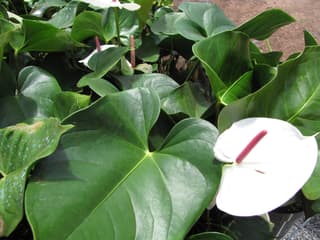
| Flamingo Flower | Medium | Partial shade | 5d | ⚠️ |
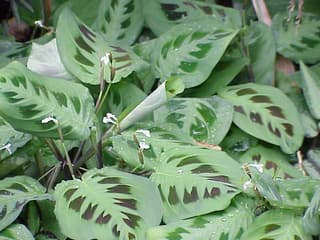
| Prayer Plant | Medium | Partial shade | 3d | ✓ |
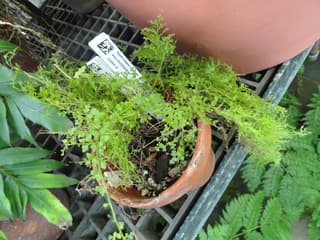
| Boston Fern | Medium | Partial shade | 3d | ✓ |
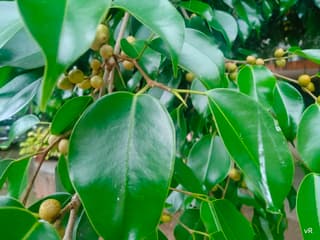
| Weeping Fig | Medium | Partial shade | 10d | ⚠️ |