Oleaceae
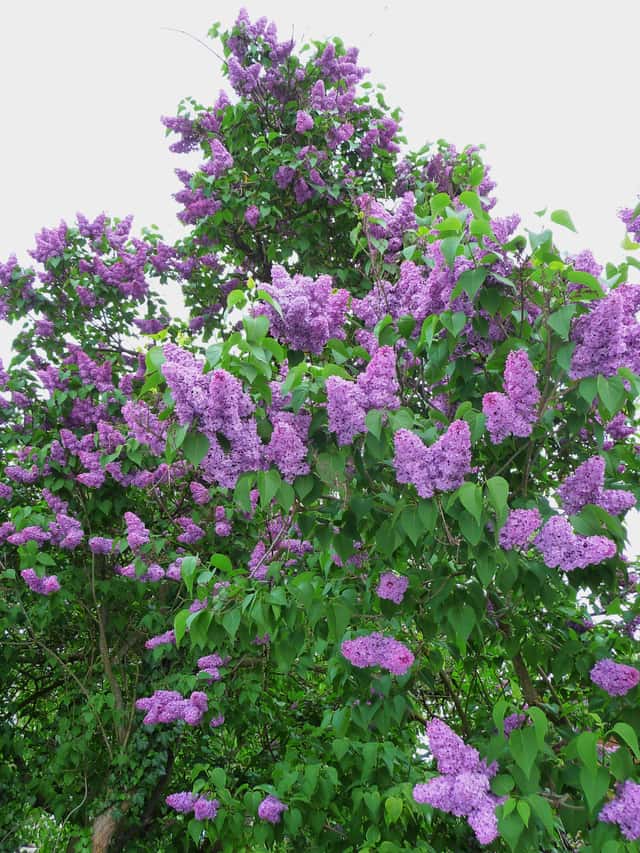
Common Lilac (Syringa vulgaris)
Syringa vulgaris
Common lilac is low-maintenance once established. It requires full sun (at least 6-8 hours daily), well-drained slightly alkaline soil, and infrequent deep watering. Prune immediately after blooming to encourage next year's flowers. Apply balanced fertilizer in early spring. Excellent cold hardiness makes it ideal for USDA zones 3-7.
Every 10 days
Direct sun
-35° - 30°C
40% - 60%
Categories
What is Common Lilac?
Common Lilac (Syringa vulgaris) is a medium-care plant from the Oleaceae family. Syringa vulgaris, the common lilac, is a hardy deciduous shrub native to the Balkans and widely cultivated for its spectacular spring display of highly fragrant flower clusters. Growing up to 5 meters tall, it produces dense panicles in shades ranging from classic purple-lavender to white, pink, and...
Common Lilac grows up to 4.9m, with spread of 370cm, watering every 10 days, -35°C – 30°C, 40–60% humidity. It is not suitable for indoor environments and safe for pets.
Unlike many popular species, Common Lilac is safe to keep around pets.
How to Care for Common Lilac?
TLDR: Common Lilac needs Direct sun, watering every 10 days, and temperatures between -35-30°C with 40-60% humidity.
How Often Should You Water Common Lilac?
Water regularly during the first year to establish the root system. Once established, lilac is quite drought-tolerant; water deeply every 10-14 days during dry spells in summer. Avoid overwatering and waterlogged soil, which causes root rot.
How Much Light Does Common Lilac Need?
Plant in full sun with at least 6-8 hours of direct sunlight daily. More sun equals more blooms. Tolerates partial shade but flowering will be significantly reduced.
What Is the Best Soil for Common Lilac?
Plant in loamy, well-drained, moderately fertile soil with a pH of 6.5-7.5 (neutral to slightly alkaline). Avoid highly acidic or heavy clay soils. Amend with compost to improve drainage and fertility.
What Pot Should You Use for Common Lilac?
Plant in a large garden bed or border. Not suitable for containers due to its deep root system and large mature size. Ensure at least 1.5-2 meters of space from other plants and structures.
Care Schedule
Fertilize
Every 30 days
What Is Common Lilac and Where Does It Come From?
Syringa vulgaris, the common lilac, is a hardy deciduous shrub native to the Balkans and widely cultivated for its spectacular spring display of highly fragrant flower clusters. Growing up to 5 meters tall, it produces dense panicles in shades ranging from classic purple-lavender to white, pink, and magenta. It is a beloved garden staple in temperate climates and thrives in cold winters with full sun exposure.
How to Propagate Common Lilac?
Stem Cutting
Use fresh, healthy growth from this season. Keep the rooting medium consistently moist but not waterlogged. Bottom heat helps speed rooting.
- 1 Take a 10-15 cm softwood cutting from a healthy new shoot in late spring
- 2 Remove lower leaves, keeping 2-3 leaf pairs at the tip
- 3 Dip the cut end in rooting hormone powder
- 4 Insert into moist, well-draining rooting medium (perlite/peat mix)
- 5 Cover with a plastic bag to maintain humidity and place in bright indirect light
- 6 Check for roots after 4-6 weeks by gently tugging the cutting
Materials needed:
Ground Layering
Ground layering is the easiest propagation method for lilacs. Choose branches that can reach the ground without snapping.
- 1 Select a long, flexible low branch
- 2 Make a small wound on the underside of the branch
- 3 Bend the branch to the ground and pin it in place with a U-shaped stake
- 4 Cover the wounded section with moist soil or compost
- 5 Keep moist and wait for roots to develop
- 6 Once rooted, sever from parent plant and transplant
Materials needed:
How Big Does Common Lilac Grow?
TLDR: Common Lilac can reach up to 4.9m tall with Medium growth rate.
Max height
4.9m
Spread
3.7m
Growth rate
Medium
Foliage
Deciduous
Plant Uses
Ornamental
Great for decoration
Aromatic
Pleasant fragrance
Culinary Uses
- Flower petals can be eaten raw, used as garnish, or made into lilac sugar and syrups
- Flowers can be added to salads or folded into fritter batter
Is your plant showing symptoms?
Click on the symptom to discover possible causes:
What Diseases Commonly Affect Common Lilac?
TLDR: Common Lilac is susceptible to 8 known diseases. Monitor regularly for early detection.
Powdery Mildew
Powdery mildew is a common fungal disease caused by various fungi species including Erysiphe, Podosphaera, Oïdium, and Leveillula. It affects over 10,000 plant species worldwide. The disease thrives in warm, dry climates with high humidity and appears as a distinctive white powdery coating on plant surfaces.
Bacterial Blight
Bacterial blight is a serious plant disease caused by pathogenic bacteria that enters plants through wounds or natural openings. It spreads rapidly in warm, wet conditions and can cause significant damage to leaves, stems, and flowers. The bacteria are transmitted by water splash, contaminated tools, and insects.
Leaf Spot
Leaf spot is a common fungal disease caused by various pathogens including Alternaria, Ascochyta, Colletotrichum, Septoria, and Venturia. It primarily affects leaves, causing discolored spots that can lead to premature leaf drop if left untreated.
Scale Insects
Scale insects are small sap-sucking pests that appear as brown, shell-like bumps on plant stems and leaves. There are over 25 species, divided into armored (hard) and unarmored (soft) scales. They feed by piercing plant tissue and extracting sap, which weakens the plant and can lead to yellowing, stunted growth, and even death if left untreated. They also excrete honeydew, which attracts ants and promotes sooty mold growth.
Meaning & Symbolism
In the language of flowers, lilac represents first love, youthful innocence, and the renewal of spring. Purple lilacs symbolize the first emotions of love, while white lilacs represent purity and innocence.
Fun Facts
Lilacs can live for over 100 years — some specimens in New England are more than 200 years old
There are over 1,000 named cultivars of Syringa vulgaris
The Lilac Festival in Rochester, New York is one of the oldest and largest lilac festivals in North America
Lilac flowers are edible and can be used to make lilac sugar, syrups, and teas
Frequently asked questions
How often should I water common lilac?
Why is my lilac not blooming?
When should I prune my lilac bush?
Is common lilac toxic to pets?
How long does a lilac bush live?
Compare with similar plants
| Attribute | Difficulty | Light | Watering | Pet Safe |
|---|---|---|---|---|
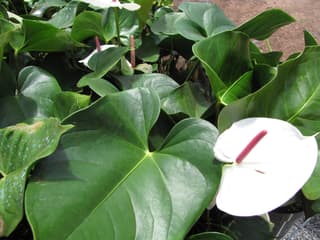
| Flamingo Flower | Medium | Partial shade | 5d | ⚠️ |
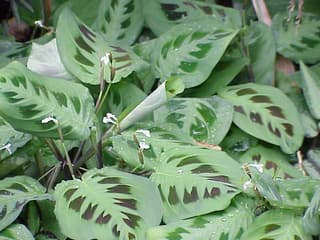
| Prayer Plant | Medium | Partial shade | 3d | ✓ |
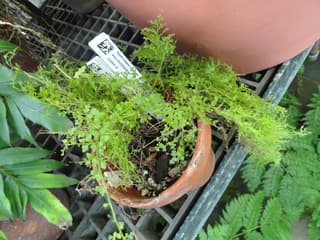
| Boston Fern | Medium | Partial shade | 3d | ✓ |
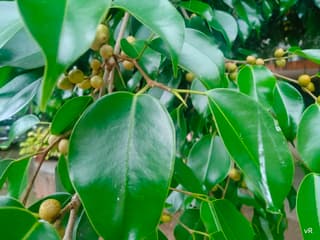
| Weeping Fig | Medium | Partial shade | 10d | ⚠️ |