Cucurbitaceae
Cucumber (Cucumis sativus): Complete Growing Guide
Cucumis sativus
Grow in full sun with fertile, well-draining soil. Water regularly to keep soil consistently moist and protect from frost. Fertilize monthly and train vines on a trellis for best yields.
Every 3 days
Direct sun
15° - 35°C
60% - 90%
Categories
What is Cucumber?
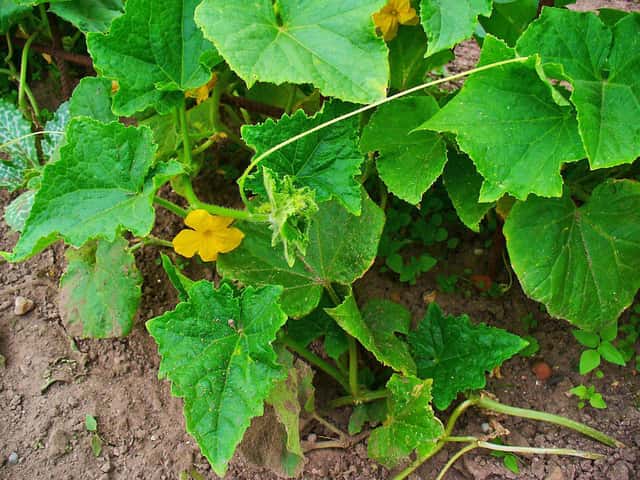
Cucumber (Cucumis sativus) is a medium-care plant from the Cucurbitaceae family. Cucumber (Cucumis sativus) is a widely cultivated creeping vine vegetable originating from South Asia (India). It produces elongated, green-skinned fruits with crisp, watery flesh beloved worldwide in salads, pickling, and fresh eating.
Cucumber grows up to 2.0m, spread of 250cm, watering every 3 days, 15°C – 35°C, 60–90% humidity. It is not suitable for indoor environments and safe for pets.
Unlike many popular species, Cucumber is safe to keep around pets.
How to Care for Cucumber?
TLDR: Cucumber needs Direct sun, watering every 3 days, and temperatures between 15-35°C with 60-90% humidity.
How Often Should You Water Cucumber?
Water every 2-3 days, keeping soil evenly moist. Increase watering frequency during fruiting. Never let the soil dry out completely — this causes bitter fruits and blossom drop.
How Much Light Does Cucumber Need?
Requires full sun with at least 6-8 hours of direct sunlight daily. Insufficient light significantly reduces fruit production.
What Is the Best Soil for Cucumber?
Prefers fertile, well-draining soil rich in organic matter. Ideal pH 6.0-6.8. Amend with compost and coarse sand to improve drainage and structure.
What Pot Should You Use for Cucumber?
Large containers (min 20L) with climbing support, or garden bed with trellis.
Care Schedule
Fertilize
Every 30 days
What Is Cucumber and Where Does It Come From?
Cucumber (Cucumis sativus) is a widely cultivated creeping vine vegetable originating from South Asia (India). It produces elongated, green-skinned fruits with crisp, watery flesh beloved worldwide in salads, pickling, and fresh eating.
How to Propagate Cucumber?
Direct Sowing
Sow after last frost when soil temperature exceeds 18°C. Pre-soaking seeds in warm water for 12 hours can speed up germination.
- 1 Prepare soil with compost and organic matter
- 2 Sow 2-3 seeds per hole, 1-2 cm deep
- 3 Keep soil moist until germination
- 4 Thin to the strongest seedling after emergence
- 5 Install trellis or support for vines to climb
Materials needed:
How Big Does Cucumber Grow?
TLDR: Cucumber can reach up to 2.0m tall with Fast growth rate.
Max height
2.0m
Spread
2.5m
Growth rate
Fast
Foliage
Deciduous
Plant Uses
Edible
Can be consumed
Culinary Uses
- Eaten raw in salads, sandwiches, and as a snack
- Widely used for pickling and making gherkins
- High water content makes it excellent for hydration
- Used extensively in Mediterranean and Asian cuisines
- Cucumber slices used topically to reduce eye puffiness
Is your plant showing symptoms?
Click on the symptom to discover possible causes:
What Diseases Commonly Affect Cucumber?
TLDR: Cucumber is susceptible to 19 known diseases. Monitor regularly for early detection.
Anthracnose
Anthracnose is a fungal disease caused by fungi in the genus Colletotrichum that affects many plants, including vegetables, fruits, and trees. The disease thrives in cool, wet conditions, causing dark, sunken lesions on leaves, stems, flowers, and fruits.
Bacterial Leaf Spot
Bacterial leaf spot is a plant disease caused by bacteria in the Xanthomonas and Pseudomonas genera that affects various ornamental and edible plants. The bacteria infect leaves through wounds or natural openings, causing characteristic lesions that can lead to premature leaf drop and plant weakening.
Bacterial Wilt
Bacterial wilt is a fatal vascular disease caused by bacteria (Erwinia tracheiphila, Ralstonia solanacearum, Xanthomonas spp.) that infects the water-conducting tissue of plants. The bacteria multiply and block the flow of water and nutrients, causing rapid wilting and plant death within 1-2 weeks.
Cercospora Leaf Spot
Cercospora leaf spot is a common fungal disease caused by Cercospora species that affects many plant types, particularly beets, roses, and leafy vegetables. The disease thrives in warm, humid conditions and can cause significant defoliation, reducing plant vigor and yield. It spreads rapidly through water splash, wind, and contaminated tools.
Meaning & Symbolism
Represents freshness, coolness, and summer abundance.
Fun Facts
Cucumbers are over 95% water, making them one of the most hydrating foods in nature
They have been cultivated for over 3,000 years, originating in ancient India
Cucumbers belong to the Cucurbitaceae family, making them relatives of melons and squash
The phrase "cool as a cucumber" exists because the inside of a cucumber can be up to 11°C cooler than the surrounding air
Frequently asked questions
How often should I water cucumbers?
Do cucumbers need full sun?
When should I harvest cucumbers?
Are cucumbers safe for pets?
How do I prevent powdery mildew on cucumbers?
Compare with similar plants
| Attribute | Difficulty | Light | Watering | Pet Safe |
|---|---|---|---|---|
| Dark Fieldcap | Medium | Low light | 2d | ⚠️ |
| Azalea | Medium | Partial shade | 3d | ⚠️ |
| Bougainvillea | Medium | Direct sun | 7d | ⚠️ |
| Wild Lettuce | Medium | Direct sun | 7d | ⚠️ |



