Lythraceae
Thimble Tree (Lafoensia pacari): Complete Care Guide
Lafoensia pacari
The Thimble Tree is resilient and adaptable. Plant in full sun in fertile, well-drained soil. It requires regular watering during the first 1–2 years; once established, it is highly drought-tolerant and can withstand temporary flooding. Fertilize with organic compost twice a year during establishment.
Every 14 days
Direct sun
5° - 38°C
40% - 80%
Categories
What is Thimble Tree?
Thimble Tree (Lafoensia pacari) is a medium-care plant from the Lythraceae family. The Thimble Tree (Lafoensia pacari) is a native tree of the Brazilian Cerrado (savanna), belonging to the Lythraceae family. It is a medium to large deciduous tree reaching 5–18 meters tall, with a trunk 30–60 cm in diameter. Its spectacular spring and summer blooms feature large, fringed white flow...
Thimble Tree grows up to 18.0m, with spread of 600cm, watering every 14 days, 5°C – 38°C, 40–80% humidity. It is not suitable for indoor environments and safe for pets.
Unlike many popular species, Thimble Tree is safe to keep around pets.
How to Care for Thimble Tree?
TLDR: Thimble Tree needs Direct sun, watering every 14 days, and temperatures between 5-38°C with 40-80% humidity.
How Often Should You Water Thimble Tree?
Water regularly during the first 1–2 years after planting, keeping the soil moist but not waterlogged. Once established, this tree is extremely drought-tolerant — reduce watering progressively. During severe dry spells, water fortnightly.
How Much Light Does Thimble Tree Need?
Plant in full sun — at least 6 hours of direct sunlight daily. The Thimble Tree does not thrive in shade; full sun exposure ensures abundant flowering and healthy growth.
What Is the Best Soil for Thimble Tree?
Prefers fertile soil rich in organic matter with good drainage. Amend with compost at planting time. Tolerates a wide range of soil types, including the sandy-clay soils typical of the Cerrado, as long as there is good root aeration.
What Pot Should You Use for Thimble Tree?
For urban or container planting, use large containers (minimum 100 liters) in ceramic or concrete pots for stability. In gardens, plant directly in the ground with at least 5 meters clearance from other trees.
What Is Thimble Tree and Where Does It Come From?
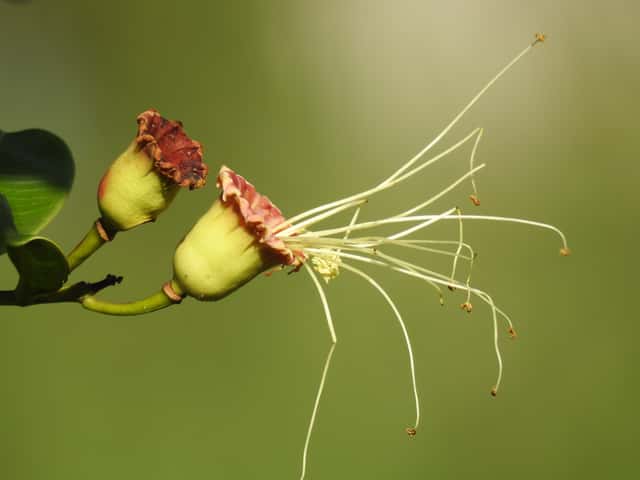
The Thimble Tree (Lafoensia pacari) is a native tree of the Brazilian Cerrado (savanna), belonging to the Lythraceae family. It is a medium to large deciduous tree reaching 5–18 meters tall, with a trunk 30–60 cm in diameter. Its spectacular spring and summer blooms feature large, fringed white flowers with long stamens. Highly valued in traditional Cerrado medicine, it is also widely used in urban landscaping and riparian forest restoration across Brazil.
How to Propagate Thimble Tree?
Direct Seed Sowing
Plant seeds immediately after collection — viability drops sharply within weeks. Prepare the planting site in advance, eliminating leaf-cutter ants before final transplanting.
- 1 Collect seeds from mature capsules immediately after natural opening
- 2 Place seeds in moist sand bags right after harvest — they lose viability rapidly
- 3 Keep in a shaded location until germination (10-15 days)
- 4 Transplant seedlings into fertile potting mix in nursery bags
- 5 After 3-4 months, transplant to the final site in a 40x40 cm hole enriched with aged manure
Materials needed:
How Big Does Thimble Tree Grow?
TLDR: Thimble Tree can reach up to 18.0m tall with Medium growth rate.
Max height
18.0m
Spread
6.0m
Growth rate
Medium
Foliage
Deciduous
Warning: Toxic Plant
This plant can be toxic if ingested. Keep out of reach of:
Plant Uses
Ornamental
Great for decoration
Medicinal
Medicinal properties
Medicinal Uses
- Treatment of gastric ulcers and gastritis
- Anti-inflammatory properties (topical and internal use)
- Antifungal and antibacterial (external use)
- Febrifuge and tonic
- Wound healing and skin lesion treatment
Is your plant showing symptoms?
Click on the symptom to discover possible causes:
What Diseases Commonly Affect Thimble Tree?
TLDR: Thimble Tree is susceptible to 4 known diseases. Monitor regularly for early detection.
Leaf Spot
Leaf spot is a common fungal disease caused by various pathogens including Alternaria, Ascochyta, Colletotrichum, Septoria, and Venturia. It primarily affects leaves, causing discolored spots that can lead to premature leaf drop if left untreated.
Root Rot
Root rot is a serious fungal disease that affects the root system of plants, causing them to decay and die. It is primarily caused by overwatering, poor drainage, or soil-borne fungi such as Pythium, Phytophthora, Rhizoctonia, and Fusarium. The disease thrives in waterlogged conditions where roots are deprived of oxygen, making them susceptible to fungal infection.
Bacterial Leaf Spot
Bacterial leaf spot is a plant disease caused by bacteria in the Xanthomonas and Pseudomonas genera that affects various ornamental and edible plants. The bacteria infect leaves through wounds or natural openings, causing characteristic lesions that can lead to premature leaf drop and plant weakening.
Root-Knot Nematodes
Root-knot nematodes (Meloidogyne species) are microscopic roundworms that parasitize plant roots, causing characteristic galls or knots. These soil-borne pests are among the most economically damaging plant pathogens worldwide, affecting a wide range of ornamental and edible plants. The nematodes inject enzymes into root cells, causing abnormal swelling and disrupting water and nutrient uptake.
Meaning & Symbolism
A symbol of resilience and healing in the Brazilian Cerrado, the Thimble Tree represents strength and the enduring connection between people and nature.
Fun Facts
The Thimble Tree can reach 18 meters tall in the wild, making it one of the Cerrado's most impressive native trees
Its seeds germinate in just 10–15 days when freshly planted in moist sand
Used in Cerrado traditional medicine for centuries to treat ulcers and fungal infections
Once established, it tolerates both prolonged drought and temporary flooding
Frequently asked questions
Is the Thimble Tree difficult to grow?
When does the Thimble Tree bloom?
Can the Thimble Tree be planted near buildings?
What are the medicinal uses of Lafoensia pacari?
Is the Thimble Tree toxic?
Compare with similar plants
| Attribute | Difficulty | Light | Watering | Pet Safe |
|---|---|---|---|---|
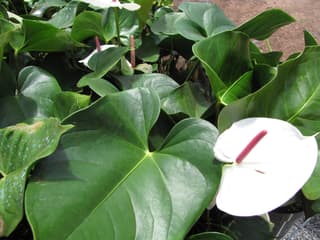
| Flamingo Flower | Medium | Partial shade | 5d | ⚠️ |
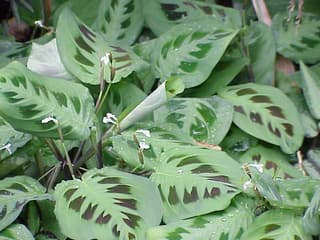
| Prayer Plant | Medium | Partial shade | 3d | ✓ |
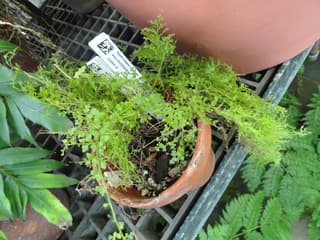
| Boston Fern | Medium | Partial shade | 3d | ✓ |
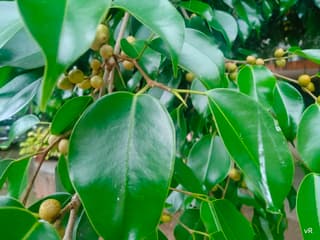
| Weeping Fig | Medium | Partial shade | 10d | ⚠️ |